






Popular Wig Guides
- Human Hair vs Synthetic Wigs – Complete Comparison Guide
- Best Wig Types for Beginners
- How to Choose the Right Wig Cap Construction
- Hair Toppers vs Full Wigs – Which Option Is Right for You?
- Wig Care & Maintenance Essentials
Why Trust WigPlace?
- Independent Information – No sales pressure or product promotion
- Comprehensive Comparisons – Understand the pros and cons of every option
- Beginner Friendly Guides – Clear explanations without industry jargon
- Regularly Updated Content – Stay informed about the latest wig trends and technologies

Human Hair vs Synthetic Wigs
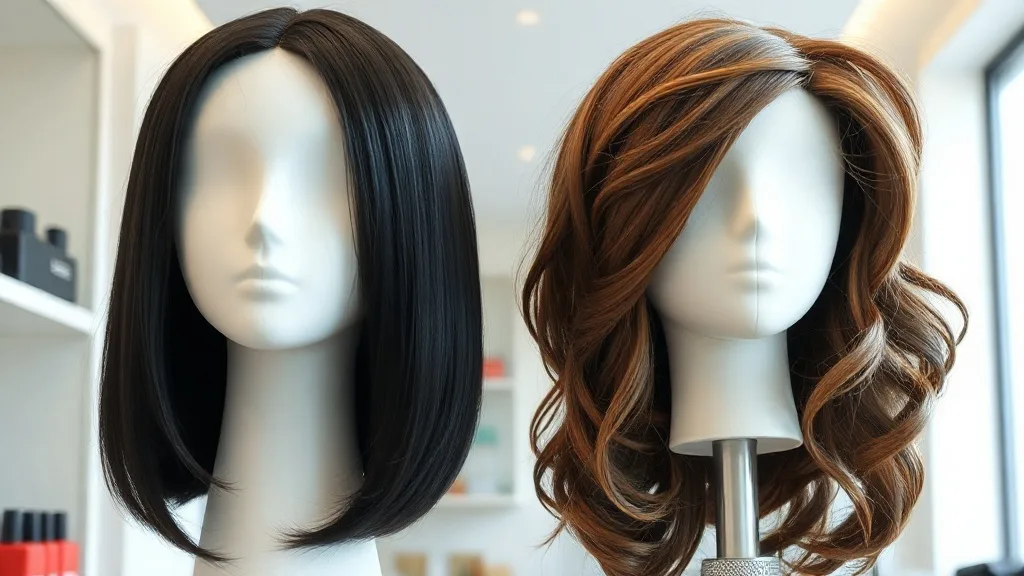
One of the most common questions is whether to choose human hair or synthetic fibers. Human hair wigs offer the most natural appearance and styling flexibility, while synthetic wigs are often more affordable, easier to maintain, and retain their style after washing. Understanding the advantages and limitations of each can help you select the best option for your lifestyle and budget.
Read guide →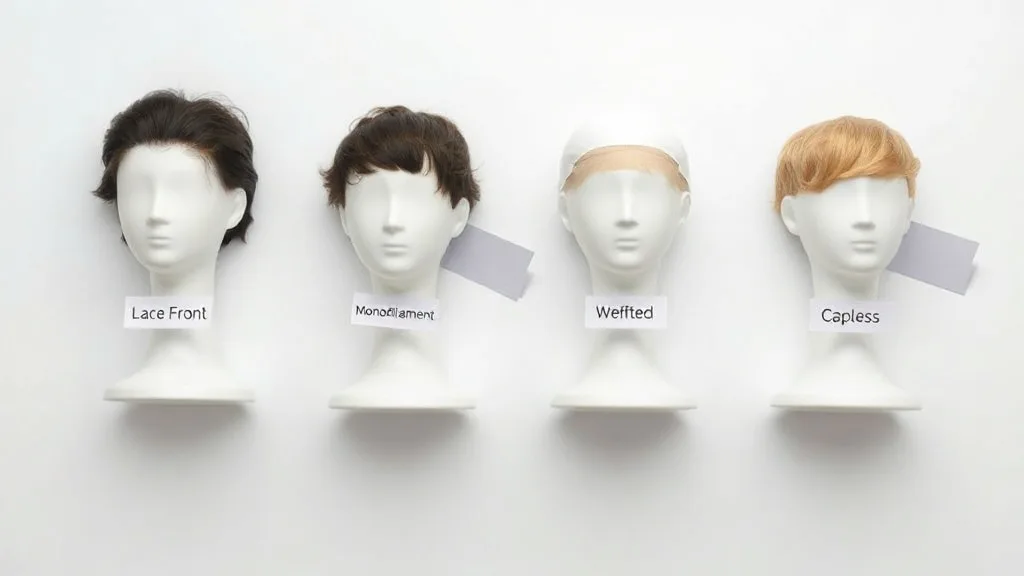
Understanding Wig Cap Constructions
Wig cap construction has a major impact on comfort, realism, breathability, and cost. Learn the differences between lace front, full lace, monofilament, silk top, hand-tied, and traditional wefted caps so you can understand what you're paying for and which features matter most.
Read guide →
Hair Toppers Explained
Hair toppers are designed to add volume and coverage to specific areas of thinning hair without requiring a full wig. Our guides explain topper base sizes, attachment methods, color matching, density selection, and who can benefit most from using a topper.
Read guide →
How to Measure for a Wig
Proper measurements are essential for achieving a secure and comfortable fit. Learn how to measure head circumference, front-to-nape length, ear-to-ear distance, temple-to-temple width, and nape measurements. We also explain common sizing standards including petite, average, and large caps.
Read guide →
Choosing the Right Wig Colour
Selecting the right colour involves more than simply choosing your favourite shade. Skin tone, undertones, age, lifestyle, and maintenance requirements all play a role. Our colour guides cover natural shades, highlights, rooted colours, balayage styles, grey blends, and fashion colours.
Read guide →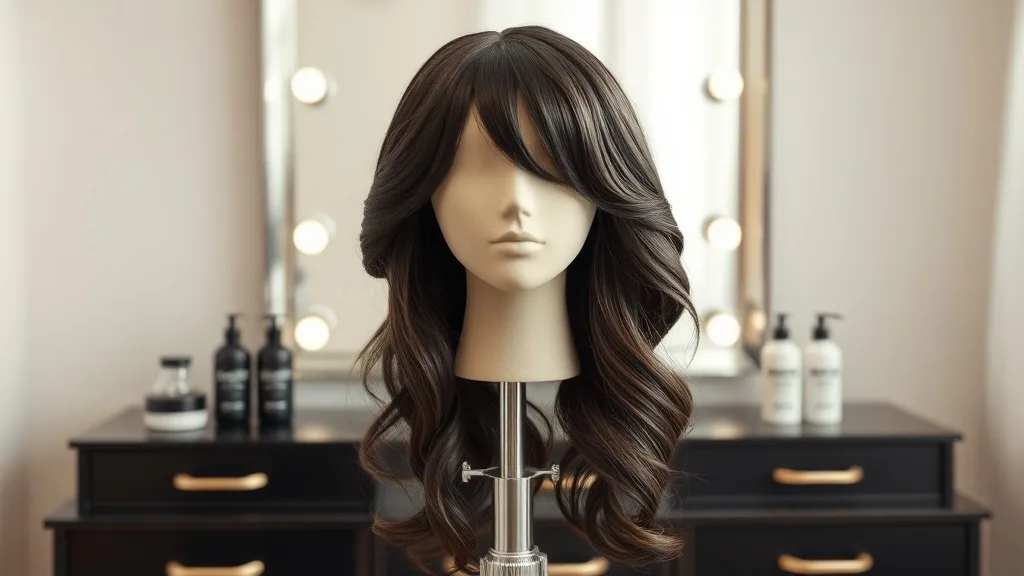
Wig Care & Maintenance
Proper maintenance can significantly extend the lifespan of a wig. Discover recommended washing schedules, storage techniques, detangling methods, heat styling considerations, and the accessories that can help keep your wig looking its best.
Read guide →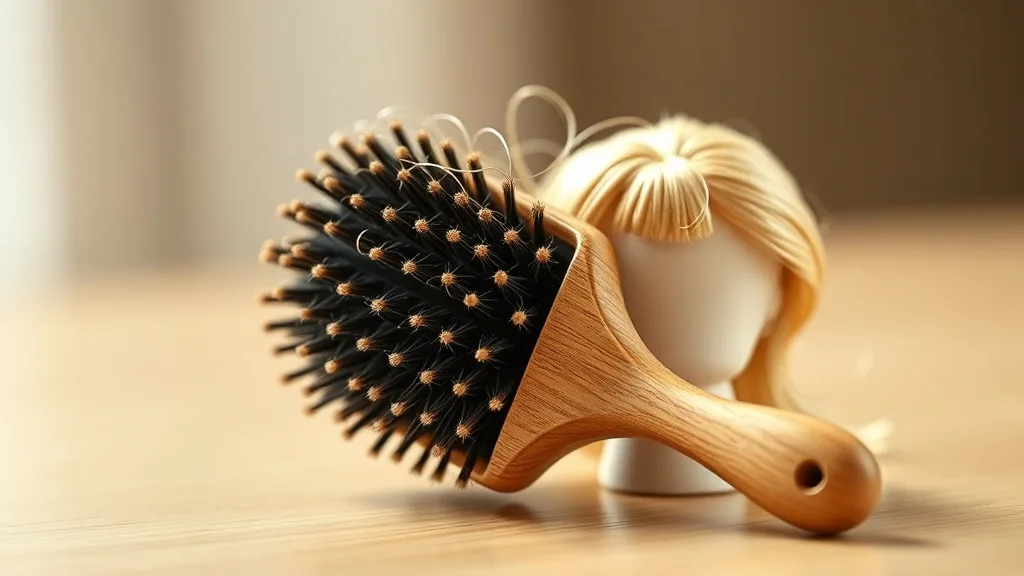
Essential Wig Accessories
From wig grips and stands to adhesives, tapes, brushes, travel cases, and care products, accessories can improve comfort, security, and longevity. Our buying guides explain which accessories are genuinely useful and which are often unnecessary.
Read guide →
Wigs for Hair Loss
Whether hair loss is caused by alopecia, chemotherapy, hormonal changes, or genetics, choosing a suitable wig can feel overwhelming. We provide practical information about cap comfort, scalp sensitivity, realistic hairlines, lightweight constructions, and confidence-building solutions.
Read guide →
Wig Trends & Celebrity Styles
Explore the latest wig trends, celebrity-inspired styles, emerging cap technologies, colour trends, and popular cuts. From classic bobs and layered styles to modern textured looks, we keep you informed about what's happening in the wig industry.
Read guide →Frequently Asked Questions
What's the difference between lace front and full lace wigs?
A lace front wig has a sheer lace panel only along the hairline, so it can be parted anywhere from ear to ear but not at the crown. A full lace wig is covered in lace across the entire cap, letting you part and style the hair anywhere, including at the crown and in updos. Full lace is more realistic and flexible but usually more expensive and requires more careful maintenance.How long should a quality wig last?
It depends on the material and how well it is cared for. A well-maintained human hair wig typically lasts 1 to 2 years with regular wear, while premium synthetic wigs generally last 4 to 6 months to a year. Proper washing, storage, and gentle handling can significantly extend the life of either type.Can synthetic wigs be heat styled?
Only if the wig is specifically labelled heat-friendly (heat-defiant) synthetic fibre. Standard synthetic wigs will melt, frizz, or become permanently damaged by heat styling tools. If you plan to use curling irons, straighteners, or hot water, choose a heat-resistant synthetic wig and always stay within the manufacturer's recommended temperature.How often should a wig be washed?
Most experts recommend washing a wig every 6 to 10 wears, or every 1 to 2 weeks with regular daily wear. Daily-use medical wigs may need washing more often, while wigs worn occasionally can go longer between washes. Over-washing can dry out the fibres, so only wash when it genuinely needs it.What wig type looks most natural?
Human hair wigs with a lace front or full lace cap look most natural, because the lace blends into the scalp and the real hair moves, catches light, and can be styled like your own. A monofilament or silk top adds a realistic-looking scalp at the part. The most convincing results come from a good match of colour, density, hairline, and cap construction.Are hair toppers better than wigs for thinning hair?
It depends on the amount of coverage you need. A hair topper is ideal for mild to moderate thinning at the crown or parting, because it blends with your existing bio hair for natural volume. A full wig is better for extensive or total hair loss, or when you want a complete style change. Many people keep both for different occasions.Which accessories are essential for first-time wig wearers?
Start with a wig cap to hold your own hair flat, a wide-tooth wig comb or detangling brush, a wig stand for storage, and a satin or silk bonnet or pillowcase for sleeping. If your wig has lace, a gentle adhesive or grip band helps keep it secure. A mild wig shampoo and conditioner complete the essentials.
Explore the World of Wigs
WigPlace.com exists to educate, inform, and help people navigate the wide range of wigs, toppers, accessories, and hair replacement options available today. Whether you're researching your first wig, comparing products, managing hair loss, or simply exploring new styles, you'll find practical information and unbiased guidance throughout the site.