

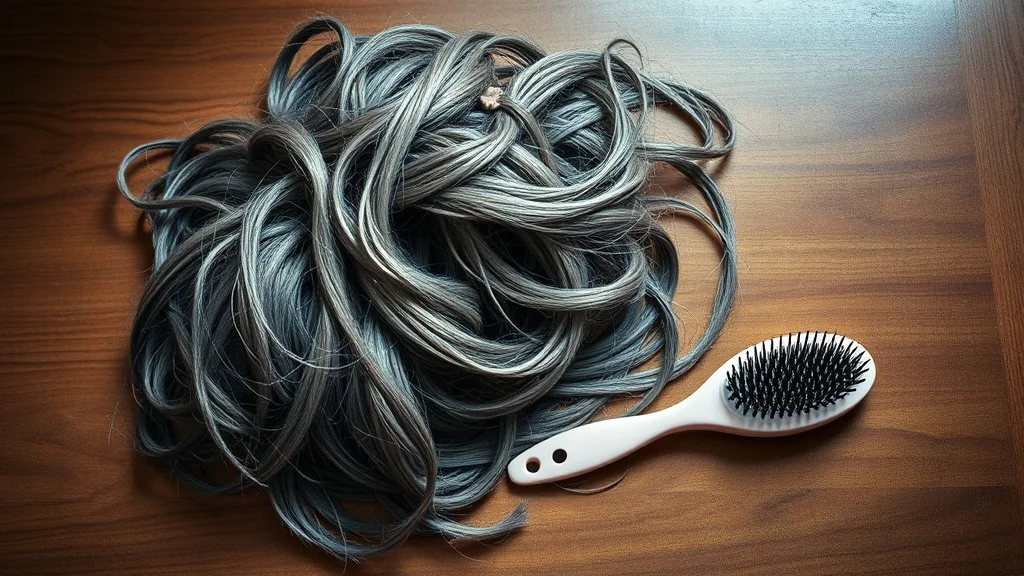

Look, I get it. When I first started wearing wigs, I was so excited I probably scared my mailman with my constant wig deliveries. But here's the thing: nobody teaches you how to care for these things. You just throw them on and hope for the best. Spoiler alert: that leads to disaster. I've made every mistake in the book, from washing a synthetic wig with laundry detergent to storing my favorite lace front in a crumpled ball. But now? I get complimented so often my wife says I need a bigger ego (impossible). So, let me save you the heartache. Here are five wig care mistakes beginners make and how to fix them.
1. Washing Too Often (or Not Enough)
Beginners either wash their wig after every wear like it's a t-shirt, or they wait until it looks like a bird's nest. Neither is good. Washing a synthetic wig too often strips the fibers of their luster, while not washing it enough lets oils and product buildup turn your wig into a greaseball. I once washed a human hair wig twice a week for a month—it went from shiny to sad in record time.
Here’s the rule: Wash synthetic wigs every 6-8 wears, human hair every 7-10. And when you do wash, use a gentle shampoo made for wigs. Not your expensive salon stuff—that can ruin the fibers. Trust me, I learned the hard way.
- Synthetic: wash every 6-8 wears
- Human hair: wash every 7-10 wears
- Use wig-specific shampoo only
2. Using the Wrong Brush
I used to brush my wigs with the same brush I use on my dog. Bad idea. Regular brushes have bristles that are too harsh and can pull out fibers or cause frizz. A wig brush with wide teeth and ball-tipped bristles is your best friend. I now have a dedicated wig brush that lives on my nightstand. My wife thinks it's weird, but she's not the one getting compliments.
- Use a wide-tooth comb or wig brush
- Avoid metal bristles
- Brush from the ends up to prevent tangles
3. Skipping the Heat Protectant
Some synthetic wigs can handle low heat, but most can't. Human hair wigs need heat protectant just like your real hair. I once curled a synthetic wig without checking—turned into a melted mess. Now I always check the label and spray a heat protectant if I'm using hot tools.
- Check if wig is heat-friendly
- Always use heat protectant spray
- Keep heat low (280°F max for synthetics)
4. Sleeping in Your Wig
I get it—it's late, you're tired, and your wig looks great. But sleeping in it will cause tangles, matting, and a wonky lace line. I've woken up with my wig sideways more times than I'd like to admit. Invest in a satin pillowcase or a wig stand. Your future self will thank you, and so will your wig.
Pro tip: Use a silk or satin bonnet if you must sleep with it on. But really, just take it off. It takes 10 seconds.
5. Storing It Like a Rag
Beginners often toss their wig on a counter or stuff it in a drawer. That's a one-way ticket to frizz city. Always store your wig on a mannequin head or a wig stand to maintain its shape. I have three stands now—my home office looks like a salon. But hey, my wigs last longer and look better.
- Use a wig stand or mannequin head
- Keep away from direct sunlight
- Cover with a hairnet or scarf to avoid dust
There you have it. Avoid these mistakes and you'll go from wig newbie to wig connoisseur in no time. Now if you'll excuse me, I have to go check my wig collection. It's looking a bit dusty. (Just kidding... mostly.)