Introduction: The Psychology of Wig Colors
As someone who has amassed a collection of over 200 wigs—each one cataloged, stored, and cherished—I’ve come to see color as the most telling element of a wig. It’s not just about matching your natural shade; it’s a statement. Over the years, I’ve watched trends shift from uniform naturals to vibrant fantasies, and every hue tells a story about the wearer. Whether you’re a first-time buyer or a seasoned collector, understanding what colors say can help you choose a wig that truly speaks to you.
Classic Shades: Brown, Black, and Auburn
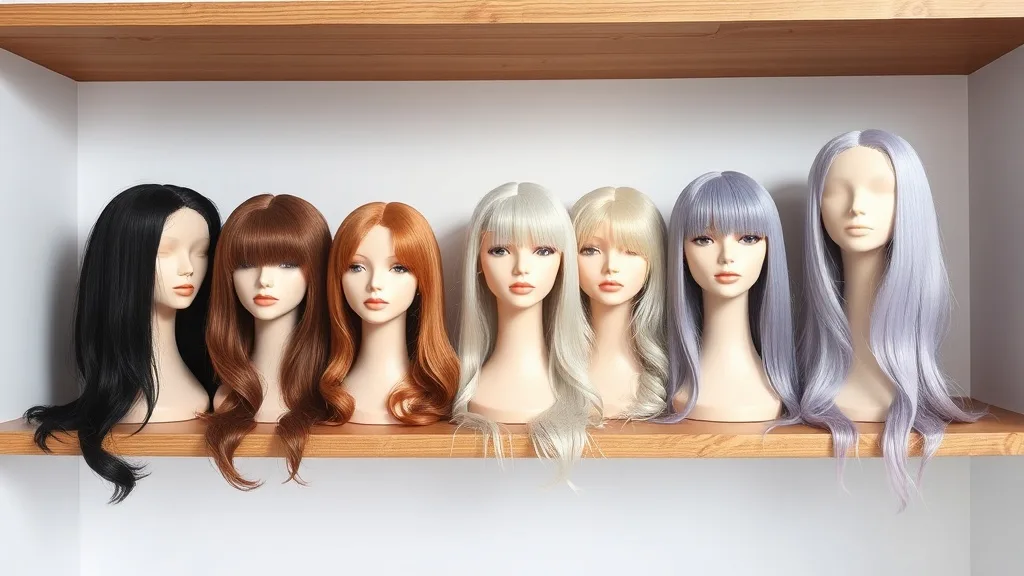
These are the workhorses of any collection. Jet black, espresso brown, chestnut, and rich auburn never go out of style. They’re the equivalent of a little black dress—reliable, sophisticated, and universally flattering. In my experience, women who gravitate toward these shades value timeless elegance. They want a wig that looks natural, requires minimal fuss, and integrates seamlessly into their daily life. But don’t mistake simplicity for boredom. A well-cut wig in a classic color can be a power move, projecting confidence and understated luxury.
Bold and Bright: Pastels, Rose Gold, and Unicorn Hues
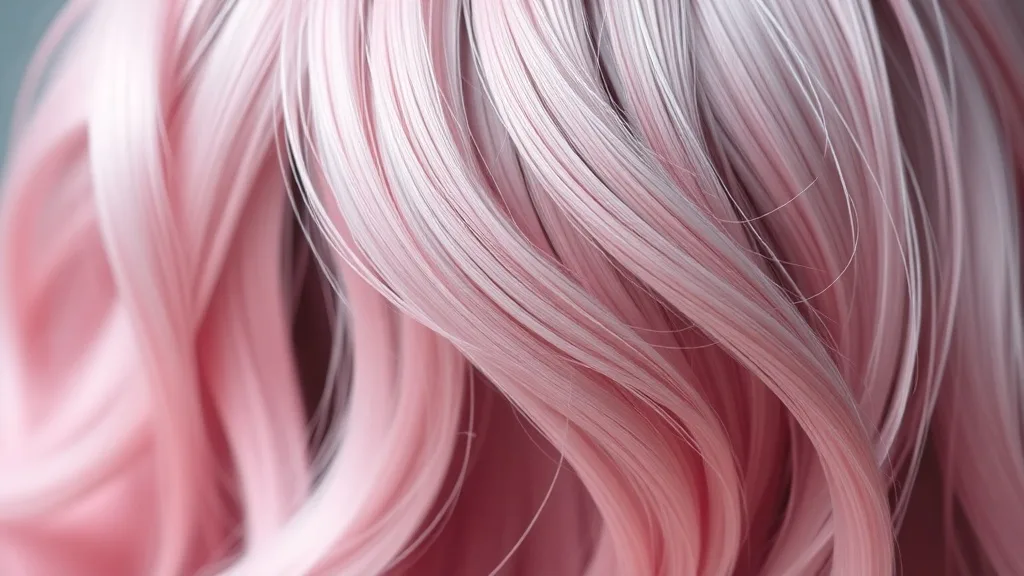
Now we enter the territory of the daring. Pastel pinks, lavender, mint green, and rainbow blends are for the rule-breakers. These colors say, “I’m not afraid to stand out.” They’re popular among creatives, influencers, and anyone who uses their appearance as a canvas. In my collection, these wigs are the ones that draw the most compliments. They require confidence to pull off, and they signal a playful, adventurous spirit. But be warned: bold colors often need more maintenance, especially if you’re using synthetic fibers. Conditioners and cold washes are your friends.
The Rise of Balayage and Ombré
If you want the best of both worlds—natural but with a twist—balayage and ombré are your go-to. These techniques blend two or more colors, often fading from a dark root to lighter ends or vice versa. They add dimension and movement, tricking the eye into seeing fuller, more dynamic hair. I’ve noticed that women who choose balayage are often detail-oriented and modern. They want a natural look but with a touch of the avant-garde. It’s a subtle rebellion, perfect for those who want to experiment without committing to a full color shift.
How to Choose Based on Skin Tone and Lifestyle
Your skin’s undertone—cool, warm, or neutral—can guide you to the most flattering shades. Cool undertones (pink, blue) pair well with ash blondes, cool browns, and jewel tones like emerald or sapphire. Warm undertones (yellow, peach) shine with golden blondes, caramel, and warm reds. Neutral undertones can wear almost anything. But beyond theory, think about your daily life. If you’re a busy professional, stick to low-maintenance naturals. If you love changing your look weekly, go for bold colors in a high-quality synthetic that can handle wear. As a collector, I always advise buying one classic and one statement piece to start.
Conclusion: Embrace Your Color Story
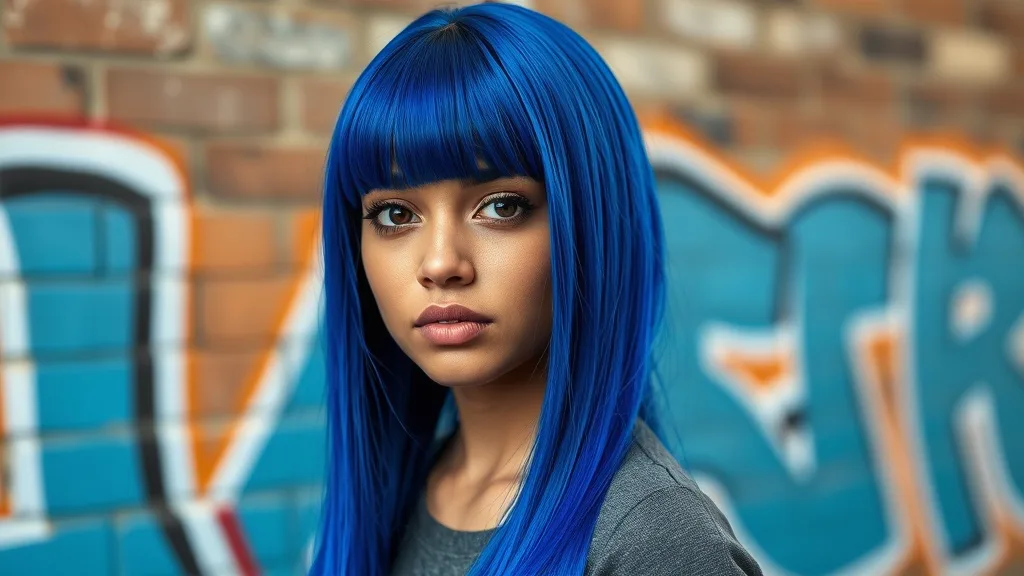
Your wig color is an extension of your identity. Whether you choose a subtle caramel balayage or a shocking electric blue, it’s a chance to tell the world who you are—or who you want to be. I’ve found that the most satisfying collections aren’t the largest, but the most intentional. Each wig in my archive has a story, and every color trend reflects a moment in fashion and self-expression. So explore, experiment, and let your color choices speak. After all, style is personal, and with wigs, you can change it as often as you like.