

Let us begin with a confession. Over the course of my research, conducted in a cardigan, at a desk, with the solemnity of a man cataloguing Etruscan pottery, I have handled a great many wigs. None of them produce the reaction a pixie does. People lean forward. They tilt their head. They announce, unprompted, that this is their face.
That reaction is not vanity. It is geometry. A pixie cut wig frames the face with unusual efficiency because it stops drawing attention to length and starts drawing attention to structure: your jaw, your cheekbones, your eyes. Long hair drapes. Short hair frames.
This guide covers what a pixie wig actually is, how cap construction shapes the final result, which face shapes tend to suit which silhouette, and how to fit, style, and maintain one without turning a reasonable investment into an expensive lesson. There will be historical digressions. I apologize in advance, and I also do not apologize.
What Counts as a Pixie Wig?
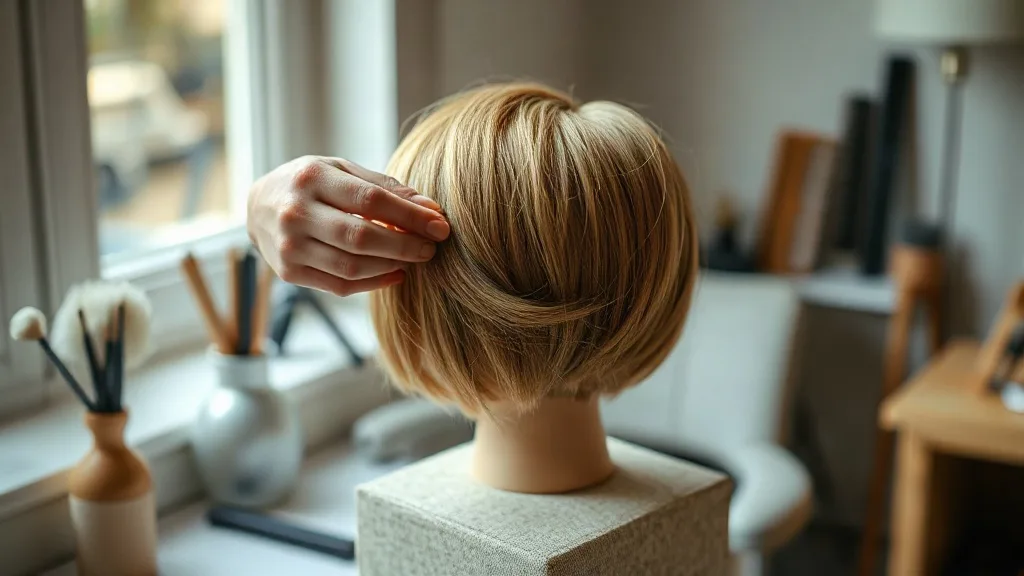
A pixie wig is a short wig, generally ending somewhere between the top of the ear and the nape of the neck, with enough layering to create volume at the crown and tapering at the sides and back. The classic silhouette sits close to the head, with a slightly longer fringe or a textured top. That is the theory. In practice, the term is applied loosely, and I am contractually obligated to be pedantic about it.
- Classic pixie: close-cropped sides, tapered nape, soft fringe. Audrey Hepburn territory, and it knows it.
- Textured or choppy pixie: piecey layers, matte finish, deliberately imperfect. Wears like bedhead on purpose.
- Pixie bob: longer at the jawline and nape, often with a slight bend. The gateway style for anyone nervous about going short.
- Undercut or asymmetric pixie: shorter on one side, longer on the other. Dramatic, and unforgiving of a badly built cap.
- Curly pixie: coils or waves cropped close. Requires a cap that handles volume without collapsing into bulk.
- Pixie with bangs: fringe falling forward, blunt or swept. Overwhelmingly the most requested pixie feature in my entirely unscientific survey of wig forums.
One distinction worth making, because it saves money: a short wig is not the same thing as a cropped wig. Short is a length. Cropped is a silhouette. A twelve-inch wig can be cropped by a stylist. A four-inch wig cannot become a bob, no matter how persuasive you are. If you want flexibility, buy slightly longer and have it professionally shaped. If you know exactly what you want, buy the pixie.
A Brief History, Because I Cannot Help Myself
Short hair on women is not a modern invention, though modernity keeps trying to claim it. In the ancient world, cropped hair often signaled mourning, servitude, or religious devotion, none of which is a strong marketing angle, but all of which confirm that short hair has always carried meaning. Medieval artists depicted Joan of Arc with a pageboy that would read today as a very respectable pixie with a bowl lean. By the 1920s the bob and the Eton crop had turned short hair into a statement of independence. By the 1950s Audrey Hepburn and the gamine look had made the pixie elegant rather than rebellious. The 1960s added Twiggy and a crop that looked drawn rather than cut, then added Mia Farrow in Rosemary's Baby, at which point a great many previously calm people stopped being calm about their hair. Since then the pixie has cycled in and out roughly every decade, which is the most reliable pattern in fashion after hemlines and bad decisions.
Why does any of this matter when you are shopping? Because pixie wigs are one of the few categories where the historical references are directly useful. When a product listing says gamine, it means something specific. When it says sixties crop, it means short, flat, and graphic. Knowing your reference points makes you a much harder customer to fool, and fooling customers is a growth industry.
Cap Construction: The Part Nobody Discusses at Parties
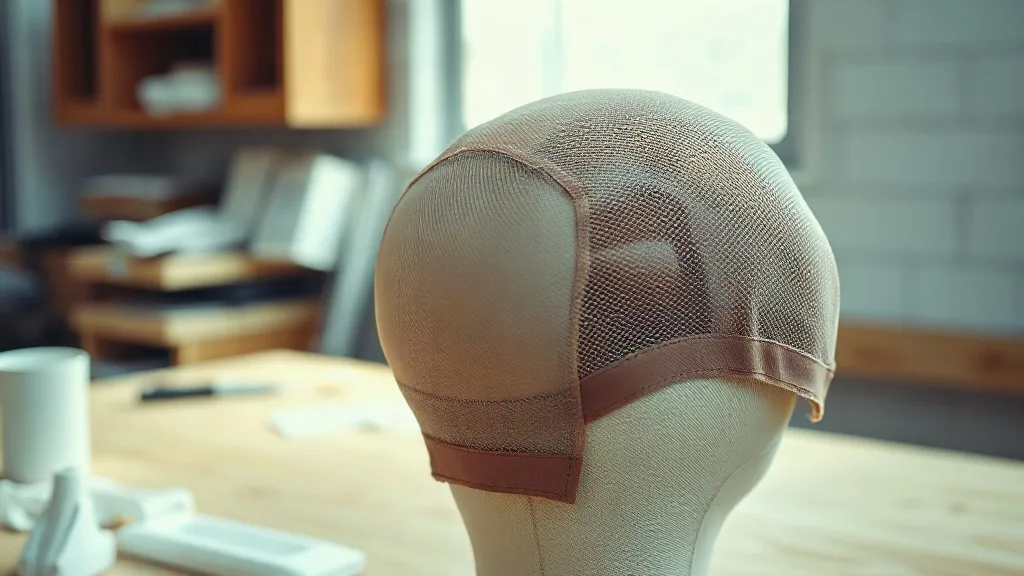
Here is where most buyers get burned. Two pixie wigs can look identical on a product page and behave completely differently on your head, and the difference is almost always the cap.
- Lace front: a sheer lace strip at the hairline you can trim back to create a natural edge. Close to essential if you plan to wear the hair off your face, which pixies usually do.
- Monofilament top: a fine mesh top where each hair is hand-tied, allowing multi-directional parting and a scalp-like appearance. Important for a pixie because the crown is on display.
- Hand-tied versus wefted: hand-tied caps are softer, more breathable, and more expensive. Wefted caps are durable, cheaper, and a little bulkier.
- Ear tabs and nape combs: small anchors that stop a short wig from riding up. Short wigs have less hair weight holding them down, so anchors matter more, not less.
- Adjustable straps: the basic fit control. If a pixie wig lacks these, be suspicious of the entire enterprise.
- 360 lace or full lace: lace around the entire perimeter, allowing updos and high ponytails. For a pixie this is usually overkill, and occasionally wonderful.
The blunt rule is this: a short wig shows the cap. There is no length to hide construction shortcuts behind. If you are going to spend money anywhere in wig buying, spend it on the cap of a pixie. Everything else is decoration.
Which Pixie Suits Which Face Shape?
I distrust hard rules about face shapes, because faces are not geometric solids and anyone who claims otherwise has never met a human. That said, there are tendencies, and tendencies are useful starting points.
- Oval: you can wear essentially anything. Congratulations. Try not to be smug about it.
- Round: go for height at the crown and length at the jawline. A pixie bob or a textured crop with lift elongates the face. Avoid a flat, uniform crop that widens it.
- Square: soften the jaw with a swept fringe or asymmetric layers. Very short, very blunt sides emphasize angularity, which can be a feature if it is intentional.
- Heart-shaped: a fuller fringe balances a wider forehead and a narrower chin. Keep the sides wispy so the shape does not go top-heavy.
- Long or oblong: avoid excessive height at the crown. A pixie with side volume and a low fringe adds width rather than length.
- Diamond: cheekbones are the star. A choppy pixie with volume at the temples leans into that instead of fighting it.
Note the recurring theme: fringe placement and volume distribution do the work. At pixie scale, absolute length is almost irrelevant. This is why the same wig can look excellent on one person and oddly helmet-like on another, and why photographs of a wig on a mannequin tell you less than you would hope.
Synthetic or Human Hair?
For long wigs, human hair usually wins on movement and styling range. For pixies, the calculus changes, and I will defend this position at length whether or not anyone asked.
Short synthetic wigs have very little length to tangle. The fibers hold their style with minimal effort, they resist humidity better than most people expect, and they cost a fraction of human hair. Because pixies sit close to the head, the friction points that destroy long synthetic wigs, namely shoulders, collars, and seatbelts, barely exist. A decent synthetic pixie can look genuinely good for three to six months of regular wear.
Human hair pixies win on one thing above all: heat styling, plus the ability to be cut and colored. If you want to sit in a stylist's chair and have the wig shaped to your head, human hair, or a high-quality heat-friendly synthetic, is the better investment. Human hair also feels cooler against the scalp and behaves more naturally when wet.
- Choose synthetic if you want low maintenance, a specific pre-set style, and a lower price point.
- Choose heat-friendly synthetic if you want some styling flexibility without human hair pricing. Stay well under the manufacturer's temperature limit, which is often far below the maximum printed on the box.
- Choose human hair if you want professional cutting, coloring, and a multi-year lifespan with careful upkeep.
Fit and Fitting: The Measurements That Matter
Measure your head before you buy. Not after. Before.
- Circumference: around the head, above the ears, around the nape, and back to the front hairline.
- Front to nape: from your front hairline over the crown down to the nape.
- Ear to ear over the top: across the crown from the top of one ear to the top of the other.
If your measurements land between sizes, size down and loosen the adjustable straps rather than sizing up. A pixie wig that is too large sits low on the forehead, swallows the ears, and slides. A pixie wig that is snug looks like hair. Snug is the goal; painful is not.
For security, a velvet wig grip band is the cheapest meaningful upgrade in wigdom and works remarkably well on short styles. Tape or adhesive along the lace front handles the hairline. If you wear a pixie daily, seriously consider a custom-sized cap, because short wigs are visible from every angle and a poor fit has nowhere to hide.
Styling Without Destroying It
Pixies are styled with fingers more than tools. That is the good news. The bad news is that people overwork them anyway.
- Use low heat. Short fibers sit close to the cap, and heat damage shows up fast.
- Work from the roots outward with a wide-tooth comb or your fingers. Brushes on a pixie create frizz and flatten crown volume.
- Texture spray or dry shampoo at the roots adds grip and lift. Use sparingly, or you will get grit rather than volume.
- Wig wax or pomade on the ends creates definition and that piecey editorial look. A very small amount goes a very long way.
- Do not comb a synthetic pixie while wet unless the manufacturer says otherwise. It can reset the fiber's built-in memory.
- Set it on a stand at the end of the day. Never toss a pixie wig into a bag with a hairbrush. I have seen the results and they were not pretty.
Maintenance Realities
Wash less than you think. Short wigs pick up less oil and less product, and every wash is an opportunity to damage the fiber. For daily wear, every eight to twelve wears is reasonable for synthetic, and every ten to fifteen wears for human hair. Always use cool water and a shampoo formulated for wigs. Never brush the wig while wet.
Dry it on a wig stand in a well-ventilated room, away from direct heat. Do not reach for a blow dryer on a synthetic wig unless it is explicitly heat-friendly and you are using the lowest setting available.
Lifespan expectations, honestly stated: a synthetic pixie worn daily may last three to six months before the ends roughen and the style softens. A human hair pixie with proper care can last one to two years. Heat-friendly synthetic generally lands in the middle. Anyone promising significantly more than that is selling rather than informing, and you should price that into your decision.
Mistakes I See Constantly
- Buying too much density. Short wigs look bulky quickly. Medium density almost always reads as more natural than heavy.
- Ignoring the hairline. On a pixie, the hairline is the entire illusion. A lace front or a very good monofilament top is not a luxury here.
- Choosing a color with no root depth. Flat, single-tone color on a short wig looks like a helmet. A slightly darker root melts the wig into the scalp.
- Skipping the trim. A short haircut from a stylist who understands wigs can turn a good pixie into a great one for very little money.
- Expecting wash-and-go perfection from an inexpensive wig. Adjust your expectations rather than your standards, and buy the cap instead of the photo.
- Forgetting that a pixie exposes your ears, neck, and jawline. If you have been hiding behind long hair, this is a decision rather than a haircut. A very good decision, in my view, but a decision.
The Bottom Line
A pixie cut wig is the most efficient piece of hair engineering in the category. It uses less fiber, requires less maintenance, and consumes less styling time than anything else you can buy, and it does something no long wig can do: it frames the face rather than framing itself.
Buy for the cap, choose for the silhouette, and size for the fit. Then stop overthinking it. Short hair has a very long history behind it, and it has survived every era it has passed through, including this one. It will survive your decision to try it.