

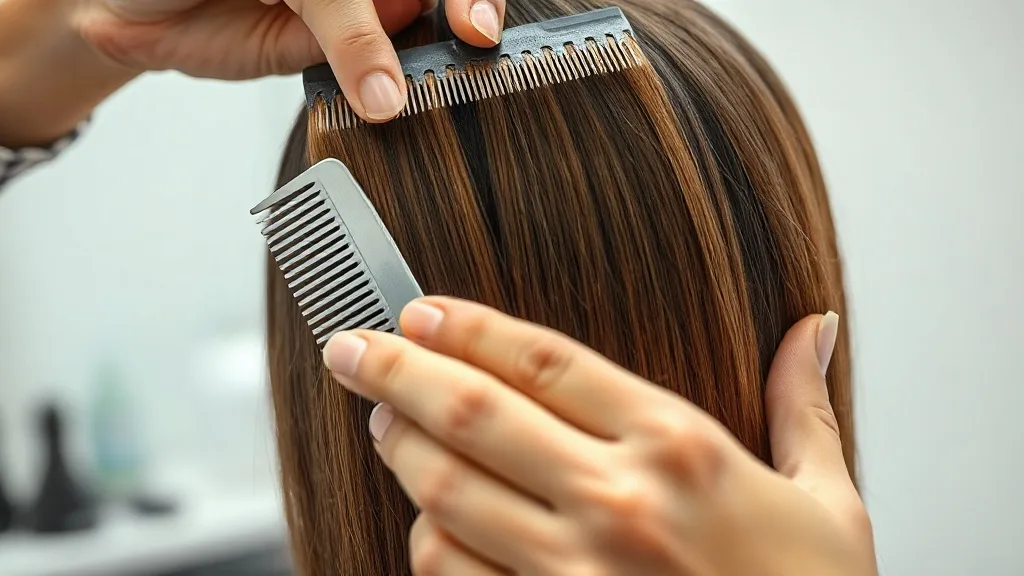

The Great Hair Debate: Wig or Topper?
I’ve spent my career unraveling the tangled history of hairpieces, from the powdered wigs of Versailles to the modern toupee. But the most common question I hear isn’t about the past—it’s about the present: “Should I get a wig or a topper?” It’s a personal decision, one that intersects with your lifestyle, hair loss pattern, and confidence. Let’s demystify the choice together.
Understanding the Difference
A wig covers your entire scalp, replacing all your hair. A topper (or hair integration piece) covers only a portion, blending with your existing hair. Think of a wig as a full overhaul and a topper as a targeted boost. Both have their merits, and the right choice depends on your unique situation.
- Wigs: Full coverage, ideal for significant hair loss or thinning.
- Toppers: Partial coverage, perfect for adding volume or concealing specific areas like the crown or part line.
- Attachment: Wigs can be secured with clips, tape, or adhesive; toppers often use clips or a combination of methods.
- Versatility: Wigs offer a complete style change; toppers enhance your natural hair.
Assess Your Hair Loss Pattern
The extent and location of hair thinning are crucial. If you have diffuse thinning all over or significant baldness, a wig provides full coverage and consistency. If you have a receding hairline or a thinning crown with good density elsewhere, a topper can seamlessly integrate. Trace your pattern honestly—this guides your decision.
For example, a client with early-stage androgenetic alopecia might start with a small topper for the crown. Another with chemotherapy-induced hair loss may prefer the complete comfort of a wig. Your hair loss journey is personal; there’s no one-size-fits-all.
Lifestyle and Daily Routine
Consider your activity level. Wigs are more secure for high-intensity workouts or swimming, especially with adhesive. Toppers are lighter and cooler, ideal for low-impact activities or daily office wear. Also, think about styling time: wigs are pre-styled and quick to put on; toppers require blending with your natural hair, which can add minutes to your routine.
Budget and Maintenance
Cost varies widely. Quality human hair wigs can be expensive but last 6-12 months with care. Toppers are generally less expensive due to less material, but they also require replacement. Maintenance is similar: both need gentle washing, conditioning, and occasional restyling. Factor in professional services like cutting in the topper or adjusting the wig cap.
Comfort and Confidence
Ultimately, the right choice is one that makes you feel like you. Wigs can restore a full head of hair and boost confidence instantly. Toppers can enhance what you have without a complete transformation. I’ve seen clients thrive with both. Visit a boutique, try different options, and listen to your gut. There’s no wrong choice—only what feels right for you.
Remember: hairpieces have been stigmatized for too long. Whether you choose a wig or a topper, you’re joining a long history of people reclaiming their image. Wear it with pride.
Final Thoughts
Still unsure? Start with a consultation. Many salons offer trial fittings. The goal isn’t perfection—it’s empowerment. Your hair, your choice.