

Understanding Your Needs During Chemotherapy
Hair loss from chemotherapy can be a challenging experience, both emotionally and physically. A well-chosen wig can restore a sense of normalcy and boost your confidence. But with so many options available, where do you start? At Wigplace, we believe comfort is paramount—especially when your scalp is sensitive from treatment. I’m Randy Lee, and I’ve spent years measuring wig tightness with a pressure sensor to ensure every client leaves feeling great. Let’s walk through the key factors to consider when choosing a wig for chemotherapy.
Material Matters: Synthetic vs. Human Hair
One of the first decisions is the type of hair. Synthetic wigs are often more affordable, pre-styled, and require less maintenance. They hold their shape even after washing. Human hair wigs offer natural movement and versatility—you can style them with heat tools. For chemotherapy patients, synthetic wigs are often recommended because they’re lightweight and less likely to irritate the scalp. However, if you have access to a wig expert, a high-quality human hair wig can be customized for a perfect fit. Always consider your temperature sensitivity; synthetic materials can feel warmer than human hair.
Cap Construction: The Foundation of Comfort
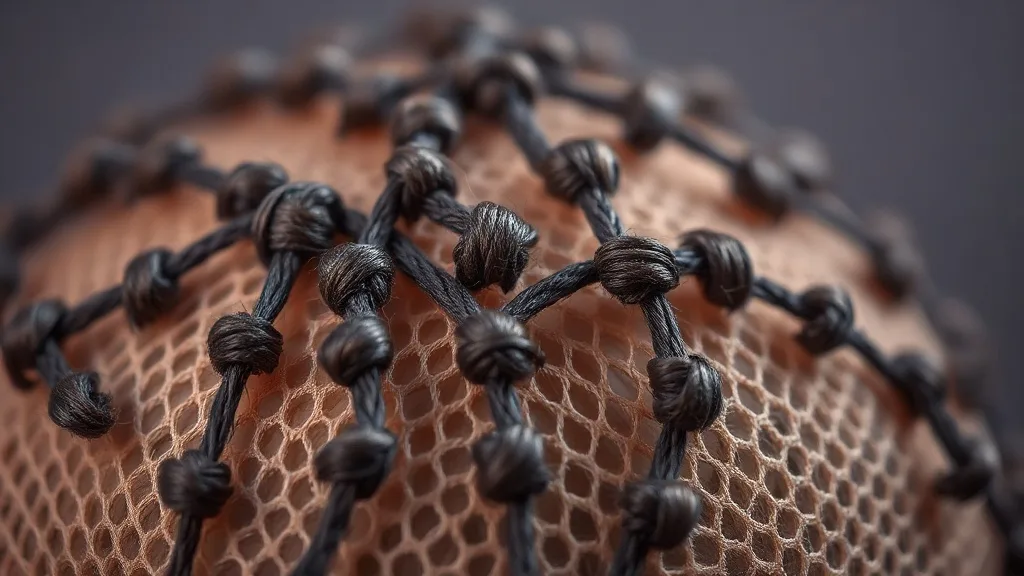
The cap is what touches your scalp, so its construction directly impacts comfort. Look for wigs with a soft, breathable cap. Here are the main types:
- Traditional Cap: Wefted construction with open wefts for ventilation. Good for average sensitivity.
- Monofilament Cap: Each hair is hand-tied to a sheer fabric that mimics a natural scalp. Excellent for sensitive scalps.
- Lace Front Cap: A sheer lace panel at the front allows for a natural hairline. Ideal if you want to wear hair away from the face.
- Hand-Tied Cap: Similar to monofilament but fully hand-tied for maximum comfort and realistic movement. Best for high sensitivity.
For chemotherapy patients, I recommend either a monofilament or hand-tied cap. The softness and lack of pressure points are critical. I use my pressure sensor to verify that the wig doesn’t exceed 20% of the capillary closing pressure—any tighter can cause discomfort or headaches.
Fitting: The Randy Lee Method
A proper fit is non-negotiable. Many wigs come with adjustable straps and combs, but for sensitive scalps, even those can hurt. Start by measuring your head circumference. Use a soft tape measure from the front hairline, behind the ears, and across the nape. Write it down. When you try a wig, adjust the straps to be snug but not tight. I’ve developed a simple test: you should be able to slide a finger under the cap at the temples. If you can’t, the wig is too tight. Also, check the ear tabs—they should rest comfortably over your ears without digging. For extra sensitive areas, consider a wig grip or a cotton cap underneath to reduce friction.
Styling for Confidence
When you’re undergoing treatment, low-maintenance styles are your best friend. Choose a cut that matches your pre‑treatment style or try something new. Lighter styles with shorter layers reduce weight and pressure. Avoid heavy bangs that can rub against your forehead. Many synthetic wigs come pre‑styled, so you can just shake and go. If you opt for human hair, have it cut by a professional who understands chemotherapy sensitivity. Remember: your wig should make you feel like you, not like you’re wearing a costume.
Caring for Your Wig
Proper care extends the life of your wig and maintains comfort. Wash synthetic wigs every 6-8 wears with a shampoo specifically for synthetics. Human hair wigs need less frequent washing but require conditioning. Always use cool water and let the wig air dry on a stand. Avoid heat near the scalp—your skin can still be sensitive. Store your wig on a mannequin head or in a silk bag to prevent tangling. And do bring it in for regular check-ups; I’ve seen wigs loosen over time and become uncomfortable. I can adjust the pressure points with my sensor to keep it perfect.
Final Thoughts from Randy
Choosing a wig during chemotherapy is a personal journey. You deserve a wig that feels like a second skin—barely there, but empowering. At Wigplace, we’re here to help you find that perfect match. Don’t hesitate to ask for a pressure-fitting consultation; your comfort is our science. You’re stronger than you know, and the right wig can help you face each day with grace.