
The Monofilament Revolution
I've handled hundreds of wig caps—lace fronts, wefts, silicone grips, you name it. But when it comes to breathability, nothing compares to the humble monofilament top. As a cap connoisseur, I've spent countless hours studying the interplay of materials and construction that make this design a marvel of airflow. Let's pull back the curtain on why your scalp stays cool and comfortable, even on the hottest days.
What Exactly Is a Monofilament Top?
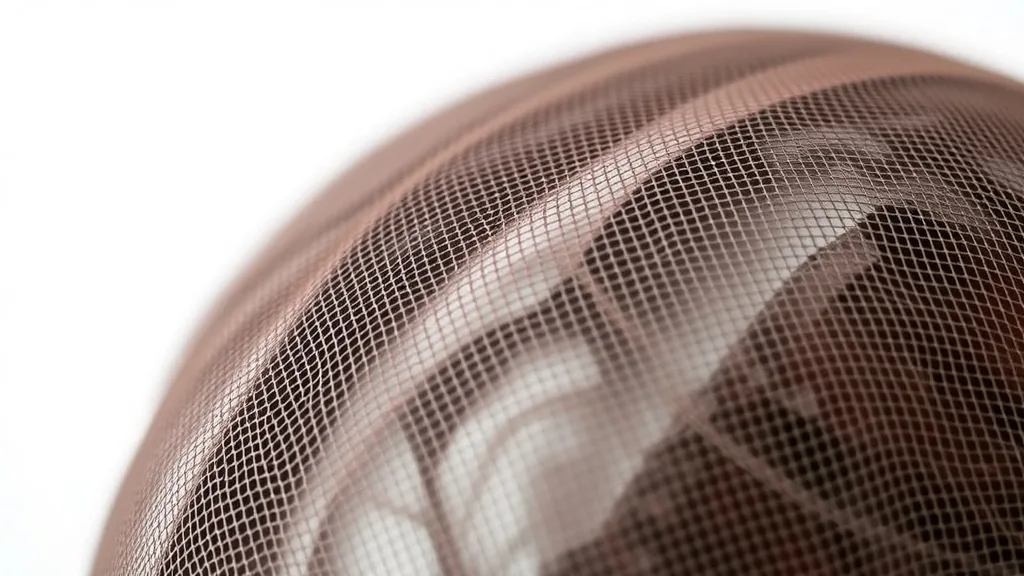
A monofilament top is a wig cap construction where the crown (the top portion of the wig) is made from a fine, sheer mesh fabric. Unlike wefted caps, where hair is sewn onto strips of material, monofilament caps have individual hairs hand-tied onto this mesh. Each hair is knotted separately, allowing for multidirectional parting and a natural scalp effect. The key feature? The mesh itself—a single layer of ultra-fine nylon or polyester filaments arranged in a grid.
The Breathability Factor: It's All in the Weave
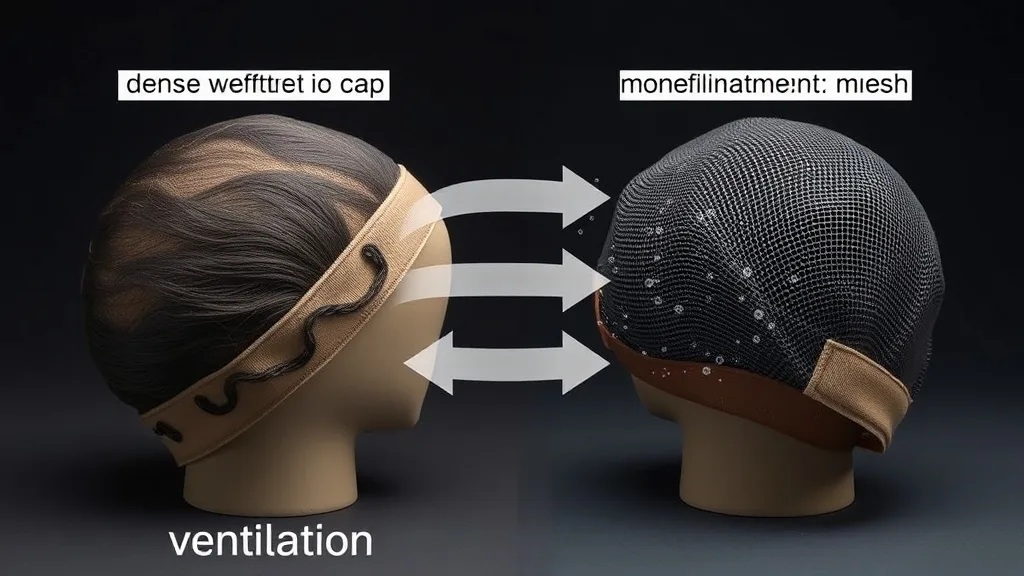
Breathability is essentially the ability of a material to allow air and moisture vapor to pass through. Monofilament mesh excels because of its open structure. The grid pattern creates tiny pores—typically between 0.5mm and 1.5mm in diameter—that let air circulate freely. Compare that to a standard wefted cap, where hair is densely packed onto fabric strips, leaving little room for airflow. In a monofilament top, the mesh is often combined with a sheer lace or a thin layer of fabric at the crown, but the mesh itself remains the main breathable component.
- Open grid: spacing of filaments creates micro-ventilation channels
- Low material density: less fabric means less heat retention
- Moisture wicking: synthetic monofilament fibers don't absorb sweat, letting it evaporate quickly
Monofilament vs. Lace Fronts: A Breathability Showdown
Lace fronts are famous for their natural hairline, but how do they stack up in breathability? The lace used in frontals is a fine mesh similar to monofilament, but it's only a narrow strip at the front. The rest of the wig is often wefted, which restricts airflow. A full monofilament top, on the other hand, extends the breathable mesh over the entire crown. Some wigs combine both: a monofilament top with a lace front for the best of both worlds—natural hairline and total scalp ventilation.
The Role of Hair Density and Hand-Tying
Breathability isn't just about the cap base; the hair itself plays a role. Monofilament tops are typically hand-tied with lightweight hair (often 100% Remy human hair or high-quality synthetic). Each knot creates a tiny gap at the base of the hair shaft, further enhancing airflow. And because monofilament allows for lower hair densities (usually 120–150% density vs. 180–200% for wefted wigs), there's simply less hair to trap heat and moisture. The result? A wig that feels like a gentle breeze across your scalp.
Real-World Benefits: Why Your Scalp Will Thank You
For those with sensitive scalps, active lifestyles, or living in warm climates, breathability is a game-changer. Reduced sweat buildup means less itching and odor. Lower temperature regulation prevents that sticky, overheated feeling. And because monofilament is lightweight, you'll experience less tension on your hairline—another comfort win. I've personally tested monofilament wigs during summer hikes and yoga sessions; they kept me cool while wefted wigs left me dripping.
Caring for Your Monofilament Top to Preserve Breathability
To keep that air flowing, proper maintenance is key. Always wash with a gentle sulfate-free shampoo to avoid residue clogging the mesh. Use a wig stand to air-dry—never wring or twist the cap. And invest in a wig cap liner if you want extra moisture wicking. Regular cleaning ensures the pores stay open, maintaining the breathability that makes monofilament tops so special.
The Verdict: A Breath of Fresh Air in Wig Technology
After years of collecting and dissecting caps, I can confidently say that a full monofilament top is the gold standard for breathability. The marriage of fine mesh, hand-tied hair, and lightweight density creates an environment where your scalp can breathe, reducing irritation and enhancing comfort. Whether you're a daily wig wearer or a newcomer, choosing a monofilament top means choosing a cooler, more pleasant experience. Trust me—your scalp will thank you.