
Act I: The Drama of Wig Clips
Imagine you're about to step on stage as your most dramatic character — a diva with cascading curls, a secret agent with a sleek bob, or a medieval queen with a towering updo. Your wig is your costume's crowning glory, and those little clips inside? They're the unsung heroes holding it all together. But somewhere along the way, wig clips became the villains in this story, accused of causing hair damage, breakage, even traction alopecia. As a method actor who lives in wigs (literally, I've worn one to the grocery store as a French artist), I've heard every horror story. Today, we're pulling back the curtain on the truth about wig clips and hair damage.
Act II: Meet the Cast — Types of Wig Clips
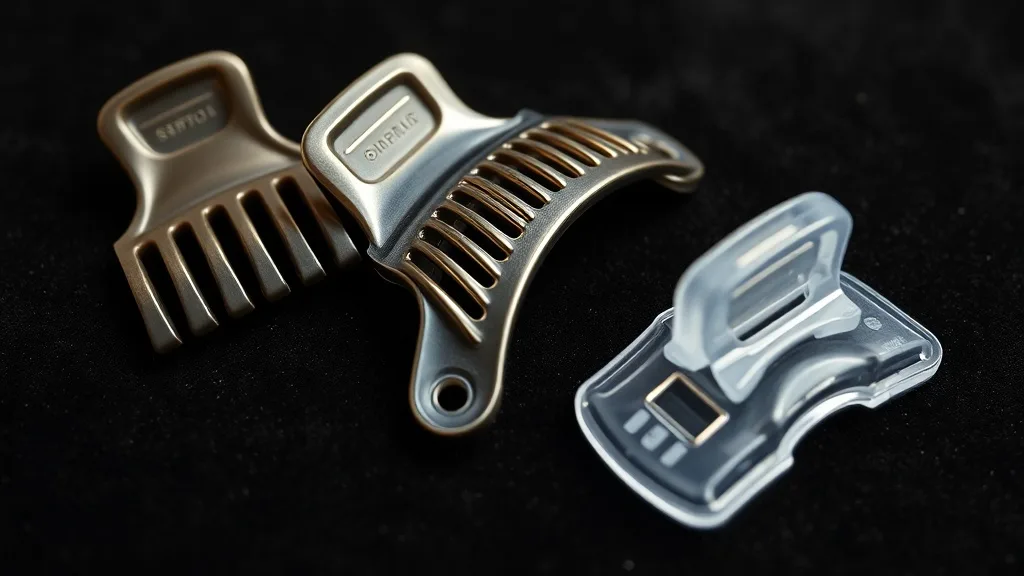
Not all clips are created equal. Before we blame them for hair loss, let's understand the cast of characters. The most common are snap clips (those little alligator-like jaws), comb clips (curved teeth that grip like a comb), and pressure-sensitive clips (used in medical wigs). Each has a different level of grip and potential for stress. The key is choosing the right clip for your hair type and wig style. Fine hair? Go for lighter clips. Thick hair? You can handle stronger ones. And always opt for clips with rubber tips or padding — they reduce friction and prevent snags.
Act III: The Real Drama — How Damage Happens
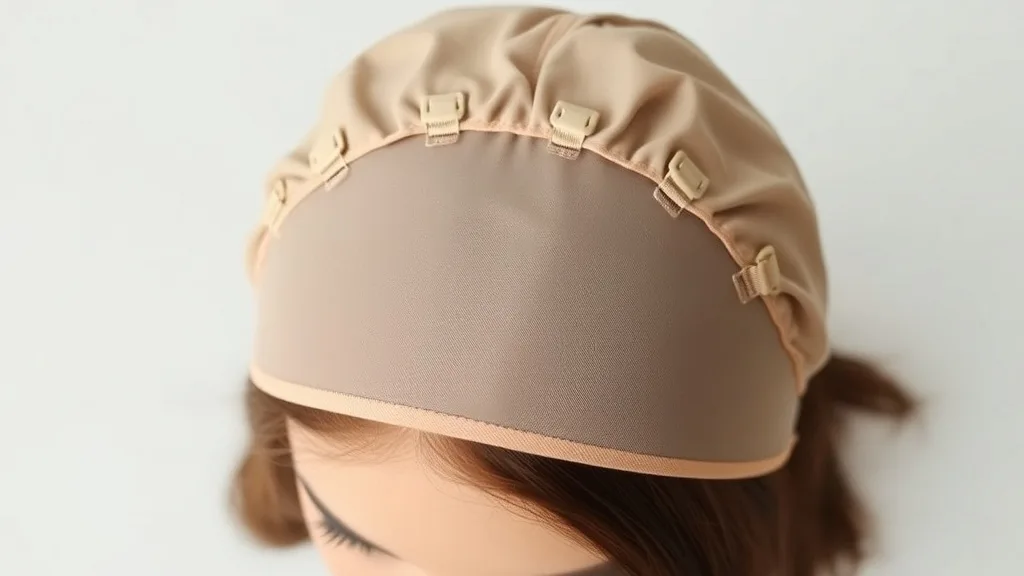
Here's where the plot thickens. Wig clips themselves aren't inherently damaging. It's how we use them that turns a supporting role into a villain. The biggest cause of damage is attaching clips directly to your natural hair without a protective barrier. Think of your scalp as a delicate stage — you wouldn't nail a set piece directly into the floorboards. Use a wig cap! A good cap distributes tension and keeps clips from pulling on individual strands. Another common mistake? Leaving clips in the same spot every day. Rotation is your friend. Just like an actor changes costumes, give your hair a break by shifting clip positions.
Traction alopecia is the real dramatic twist. It happens when constant tension pulls hair from the root, leading to thinning and bald spots. But here's the truth: with proper placement (avoiding the hairline and using no more than 4-6 clips), you can wear wigs for years without a trace of damage. I've been wearing wigs daily for five years as part of my character work, and my natural hair is healthier than ever — because I follow the rules.
Act IV: The Method — How to Apply Clips Safely
Ready for your starring role? Here's my step-by-step method, straight from my dressing room.
- Start with clean, dry hair. Braid or pin it flat against your head.
- Put on a wig cap that matches your scalp tone (no slipping!).
- Position the wig on your head before securing clips — adjust the placement first.
- Open each clip gently, slide it under the wig cap's edge, and snap shut only on the cap, not your hair. If your wig has combs, sew them onto the cap instead.
- Check for tension: you should be able to slide a finger under the clip without effort.
- Remove clips by opening them fully first, then lifting the wig off — never yank.
Pro tip: For extra security without damage, use wig glue or tape along the perimeter and save clips for the crown. This reduces the number of clips needed and spreads tension.
Act V: The Happy Ending — Healthy Hair, Happy Wig Life
So what's the verdict? Wig clips can absolutely be safe — they're tools, not weapons. The real culprit is improper use, not the clips themselves. By understanding your hair type, choosing quality clips, and following a gentle application routine, you can rock any wig without sacrificing your natural locks. Whether you're a seasoned wig wearer or a newbie, remember: your hair is your co-star, not an extra. Treat it with respect, and you'll have a long, beautiful run together.
Now go forth and transform! And if you ever catch me at the farmer's market in a platinum blonde bob, you'll know it's just my next character — safely clipped, of course.