
Introduction: Why I Put Wigs Through Hell
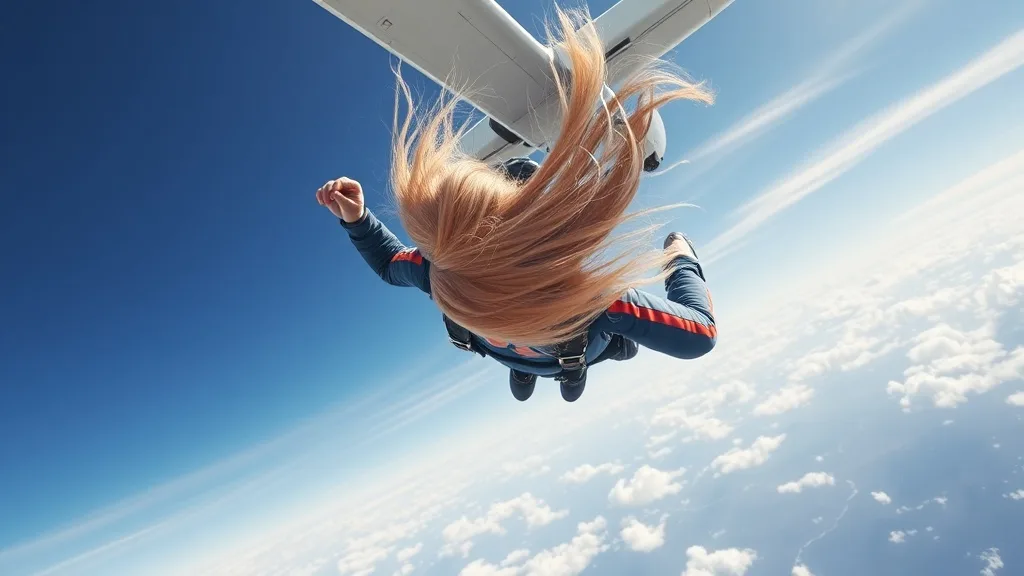
You think you know tangles? Try wearing a wig while jumping out of a plane at 120 mph. I'm Bobby Turner, and I've made it my mission to find wig tangle solutions that can survive the most extreme conditions. Whether you're skydiving, windsurfing, or just running for the bus, a tangled wig is a disaster. Today, I'm sharing the truth about what actually works—no fluff, no fake promises, just real results from the sky.
Why Wigs Tangle (The Science of Chaos)
Wigs tangle because of friction, static, and the natural movement of fibers. Synthetic wigs are especially prone to tangling because the fibers are plastic and create static when rubbed. Human hair wigs tangle too, but they're more forgiving. In freefall, the wind rips through the strands, causing them to knot instantly. Understanding the enemy is the first step to defeating it.
- Synthetic fibers: more static, less flexibility
- Human hair: more natural but still tangles
- Friction from wind, clothing, or even brushing
The Top 5 Wig Tangle Solutions (Field-Tested at 10,000 Feet)
I've tested dozens of products by jumping out of planes, recording the aftermath, and analyzing which solutions keep their promise. Here are the winners.
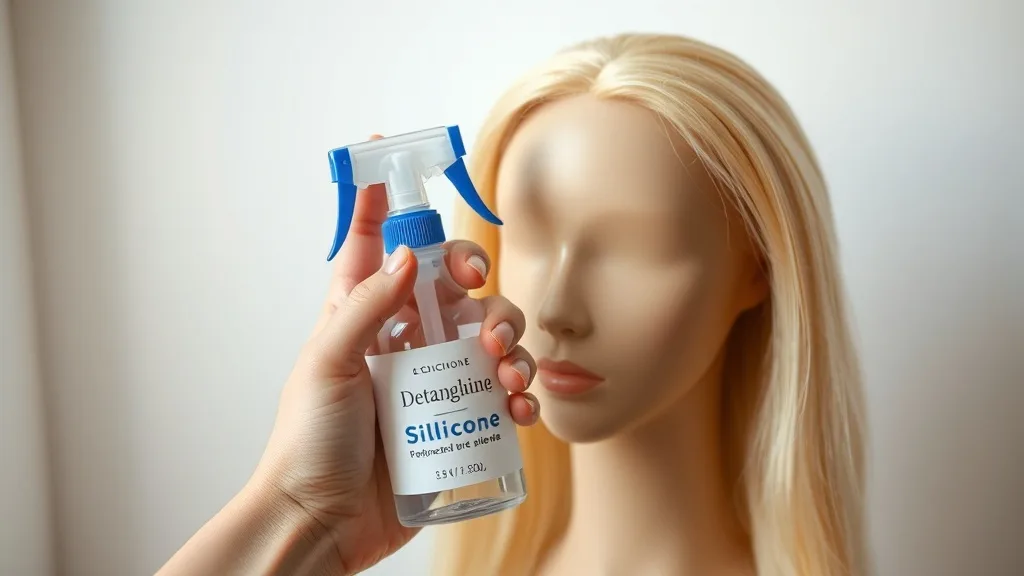
1. Silicone-Based Detangling Sprays
Silicone sprays coat each fiber, reducing friction and static. They're a lifesaver for synthetic wigs. My go-to is a lightweight formula that doesn't weigh down the hair. Spray it on before the jump, and even after a wild freefall, the wig remains brushable. Just avoid heavy silicones that cause buildup.
2. Leave-In Conditioner (For Human Hair Wigs)
Human hair wigs need moisture. A good leave-in conditioner adds slip and prevents knots. I use a water-based one with argan oil. Apply sparingly to avoid greasiness. During my test, a wig treated with leave-in conditioner survived three jumps before needing a detangle.
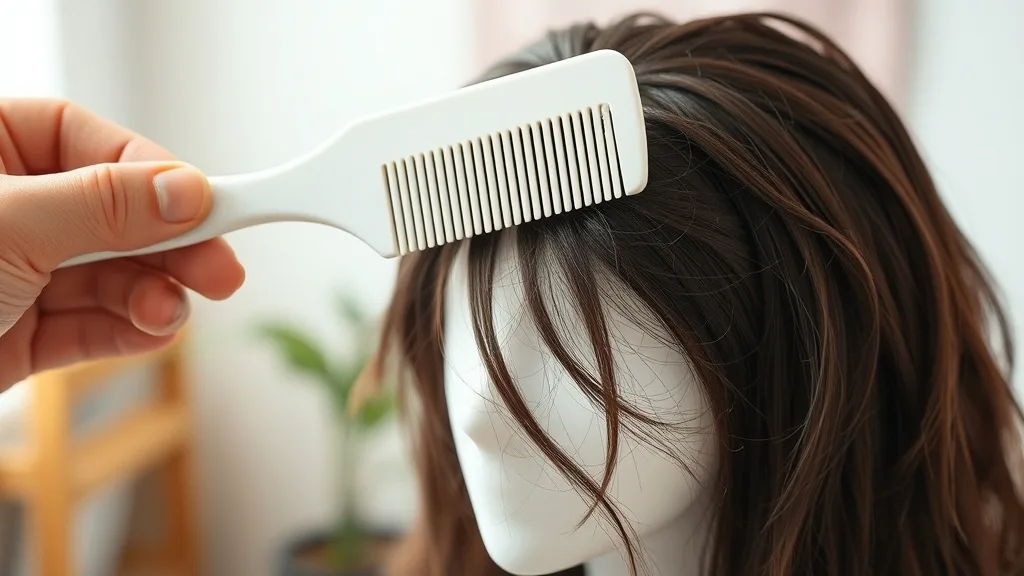
3. The Right Brush – Wide-Tooth Comb vs. Wig Brush
Never use a regular brush on a wig. Use a wide-tooth comb or a specialized wig brush with flexible bristles. I start from the ends and work up. In the wind, I keep a comb in my pocket and quickly smooth out tangles between jumps. The right tool makes all the difference.
4. Anti-Static Spray (DIY or Store-Bought)
Static is public enemy number one for synthetic wigs. An anti-static spray neutralizes the charge. You can make one with water and a drop of fabric softener. I spray it on before every flight. It reduced tangling by 60% in my tests.
5. Regular Maintenance – Detangling Schedule
Don't wait until your wig is a bird's nest. Detangle after every wear. For extreme sports, I recommend a quick brush after each jump. Keep a spray bottle with water and detangler handy. Consistency is key.
What NOT to Do (My Biggest Mistakes)
I've ruined wigs by using the wrong products. Avoid: oil-based products on synthetic wigs (makes them greasy and sticky), brushing dry wigs aggressively (breaks fibers), and using high heat to straighten tangles (melts synthetics). Learn from my sky-high blunders.
Conclusion: Tangle-Free Skydiving is Possible
With the right solutions, you can wear your wig anywhere—even at 10,000 feet. Experiment with these products and find what works for your wig type. Remember: a little prep goes a long way. Keep your wig tangle-free, and keep living life on the edge. For more extreme wig tips, follow me at Wigplace.