


You Deserve to Feel Like You
When I lost my hair to chemo, I remember staring at my first synthetic wig and thinking, 'Everyone will know.' It felt shiny, stiff, and just... not me. But with a little patience and a few simple tricks, I learned to make that wig look so natural that even my hairdresser did a double-take. If you're wearing a synthetic wig—whether for medical reasons, convenience, or fun—you can absolutely achieve a natural look. Let's walk through it together, step by step.
Why Synthetic Wigs Can Look 'Wiggy' (And Why It's Fixable)
Synthetic fibers are designed to hold their style, which is one of their best features. But that same trait can make them look too perfect: uniform shine, dense volume, and a hairline that sits like a helmet. The good news is that most of these issues are easy to fix with customization. Think of your wig as a canvas—it just needs a little artistry to become yours.
Start With the Right Wig: The Features That Matter
Before you start styling, it helps to choose a wig that's already set up for realism. Not every synthetic wig is created equal. Look for these features:
- Lace front or full lace: A lace front creates a natural hairline that you can part and pull back.
- Monofilament top or a realistic part: This gives the illusion of hair growing from your scalp.
- Ear tabs and adjustable straps: These help the wig sit flush against your head.
- Low-density or medium-density hair: Too much hair is a dead giveaway. You can always thin it out.
- Pre-plucked hairline: Some wigs come with a plucked, graduated hairline. If not, you can do it yourself.
- Synthetic fiber that can withstand low heat: If you want to style with heat tools, look for 'heat-friendly' or 'heat-defiant' fibers.
Choose a Color and Density That Flatters You
The color and density of your wig play a huge role in how natural it looks. A wig that's too dark or too dense can look harsh against your skin. Here's what to consider:
- Match your natural color (or go one shade lighter): If you're new to wigs, sticking close to your natural color is the safest bet. A slightly lighter shade can soften the look and blend better with your skin tone.
- Consider lowlights and highlights: Wigs with subtle dimension look more realistic than flat, single-tone colors. If your wig is one solid color, you can add dimension with a bit of powder or even a light spritz of colored dry shampoo.
- Density: Less is more. A medium or low-density wig looks more natural than a thick, heavy one. If your wig is too dense, thinning it out will make a world of difference.
- Hairline color: Make sure the lace or the hairline area matches your scalp. If it's too light, tint it. If it's too dark, you can lighten it with a bit of powder.
The Magic of a Custom Fit
A wig that fits well looks natural. A wig that's too big or too small will shift, bunch, or reveal your natural hairline. Here's how to get a snug, comfortable fit:
- Measure your head: Use a soft measuring tape around your hairline, from your nape to your forehead, and ear to ear. Compare to the wig's size chart.
- Adjust the straps: Most wigs have adjustable straps at the back. Tighten or loosen until the wig feels secure but not tight.
- Use the ear tabs: These small tabs should sit just in front of your ears. Bend them gently to contour to your head.
- Consider a wig grip: A velvet or silicone wig grip band can keep your wig from sliding without tight straps.
- Trim the lace: If your wig has a lace front, trim the excess lace carefully, leaving about an eighth of an inch. Then use concealer or lace tint to blend it with your skin.
Taming the Shine
One of the fastest ways to make a synthetic wig look natural is to reduce its shine. That glossy, plastic-like reflection is a dead giveaway. Here's how to tone it down:
- Sprinkle a little translucent powder or dry shampoo on the fibers, then brush through. It absorbs oil and mattes the shine.
- Use a silicone-based wig spray or serum specifically for synthetic hair. It adds a subtle, realistic sheen without looking greasy.
- Try a diluted fabric softener spray (one part softener to ten parts water) on older wigs. It can soften the fibers and reduce shine.
- Avoid heavy oils or waxes—they can build up and attract dust.
Making the Hairline Look Like Yours
The hairline is where wigs are most often 'caught.' A little customization can make a huge difference.
- Pluck the part: Using a pair of fine-tipped tweezers, pluck a few hairs along the part and hairline to create a less dense, more natural look. Work slowly and check your progress.
- Tint the lace: If your lace front is too light, use a lace tint spray or even a bit of foundation that matches your scalp to blend it. This is especially important if you have a darker skin tone.
- Add baby hairs: If you're comfortable, create a few wispy baby hairs along the hairline using a bit of styling gel and a fine-tooth comb. Less is more—just a few tendrils.
- Conceal the knots: Some lace fronts have visible knots. You can conceal them with a bit of concealer or powder that matches your scalp.
Cutting and Styling for Realism
A wig that's been cut and styled to suit your face shape will always look more natural than one straight out of the box. If you're not confident cutting it yourself, a wig-friendly stylist is worth the investment. But if you want to try, here are some tips:
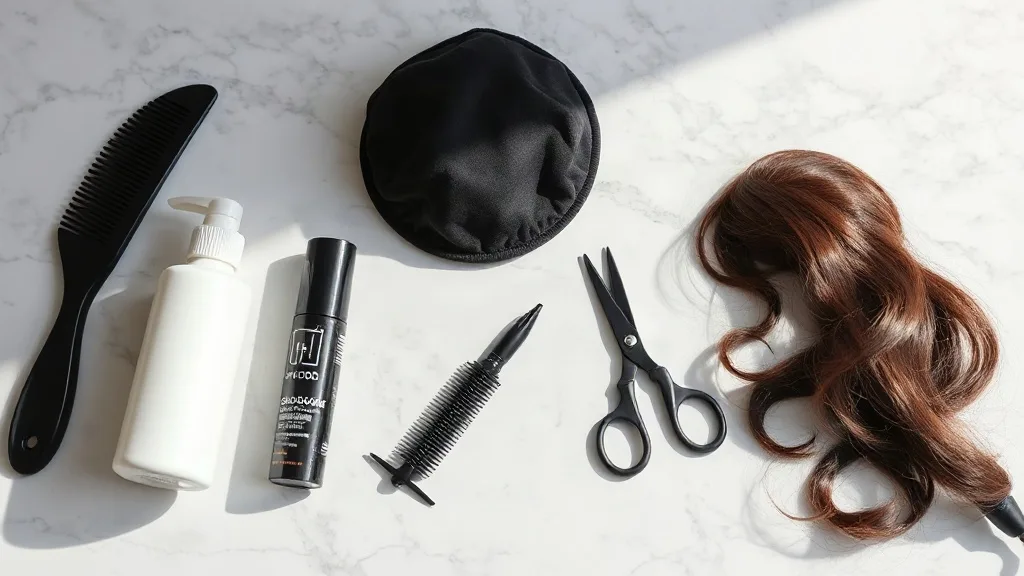
- Thin it out: Use a razor comb or thinning shears to remove excess bulk, especially around the crown and ends. Go slowly—you can always take more off.
- Add layers: Layers break up the solid line of a wig and give it movement. Point-cut the ends for a softer look.
- Style with low heat: If your synthetic wig is heat-friendly, use a flat iron or curling wand on the lowest setting. Always test a small section first.
- Try steam: A handheld steamer can relax synthetic fibers and reshape them without heat damage. It's a game-changer for smoothing frizz.
- Set with cold air: After styling, use a blow dryer on the cool setting to set the shape.
Blending With Your Own Hair
If you have some natural hair, blending it with your wig can make the illusion seamless. Here are a few methods:
- Leave-out: Leave a small section of your own hair out at the front and blend it over the wig. This works well if your natural hair matches the wig color.
- Braiding: Braid your natural hair flat against your head before putting on the wig. This creates a smooth base and avoids bumps.
- Use clips: Clip-in extensions that match your wig can add volume and blend the two textures.
- Wig grips and caps: A wig grip or a nylon wig cap can keep your natural hair tucked away and prevent slippage.
Products That Help (and Ones to Avoid)
Not all hair products play nicely with synthetic fibers. Here's a quick guide:
- Helpful: Dry shampoo, translucent powder, silicone wig spray, lace tint spray, wig caps, wig grips, wide-tooth combs, and a wig stand.
- Avoid: Heavy oils, waxes, leave-in conditioners with alcohol, and high-heat tools on non-heat-friendly wigs. Also skip regular human-hair products—they can weigh synthetic fibers down.
Daily Wear and Maintenance
A well-maintained wig looks better and lasts longer. Here's how to keep yours looking natural day after day:
- Store it on a wig stand or mannequin head to keep its shape.
- Wash it every 8–10 wears with a gentle synthetic wig shampoo. Gently swish it in cool water—never scrub.
- Air dry it on a towel, then hang it on a stand. Avoid direct heat.
- Detangle with a wide-tooth comb or your fingers, starting from the ends and working up.
- Refresh shine with a light mist of silicone spray or a sprinkle of dry shampoo.
- For tangled ends, a light spritz of wig detangler can help, but use it sparingly.
Quick Fixes for On-the-Go
Even with the best prep, sometimes you need a fast fix. Keep these in your bag:
- A mini dry shampoo or translucent powder to tame shine.
- A small comb for touch-ups.
- Wig tape or a few bobby pins for security.
- A travel-size lace tint or concealer for the hairline.
When to See a Professional
While many adjustments can be done at home, some tasks are best left to a pro. If you want a flawless haircut, a seamless lace front, or color adjustments, consider visiting a wig stylist. Many salons specialize in wig customization and can thin, layer, and style your wig to fit your face perfectly. It's an investment, but it can make a huge difference—especially for special occasions or everyday confidence.
Confidence Is the Best Accessory
Here's the truth: the most natural-looking wig is the one you wear with confidence. When you feel good, you radiate that. I've seen women who were terrified of being 'found out' transform the moment they stopped tugging at their wig and started owning it. You are not defined by your hair—but you deserve to feel beautiful in whatever you choose to wear. Synthetic wigs are affordable and low-maintenance, and with a little love, they can look absolutely stunning.
If you're new to wigs, take it one step at a time. Start with the fit, then tackle the shine, then the hairline. You'll be amazed at what a difference a few small tweaks can make. And remember: you're not alone. There's a whole community of us who've been there, and we're cheering you on.
Have a tip that worked for you? We'd love to hear it. In the meantime, wear your wig with pride—you've got this.