
Introduction: The Illusion of Realism
As a wig stylist for the theater, I’ve spent countless hours under hot stage lights ensuring that every wig looks like it’s growing straight out of the actor’s scalp. The secret isn’t magic—it’s a combination of technique, patience, and a few insider tricks. Whether you’re preparing for a performance or just want to rock a wig in your daily life, achieving a natural-looking hairline is the holy grail. Let me walk you through the steps that make hairlines disappear.
Understanding Wig Hairlines: Why They Matter
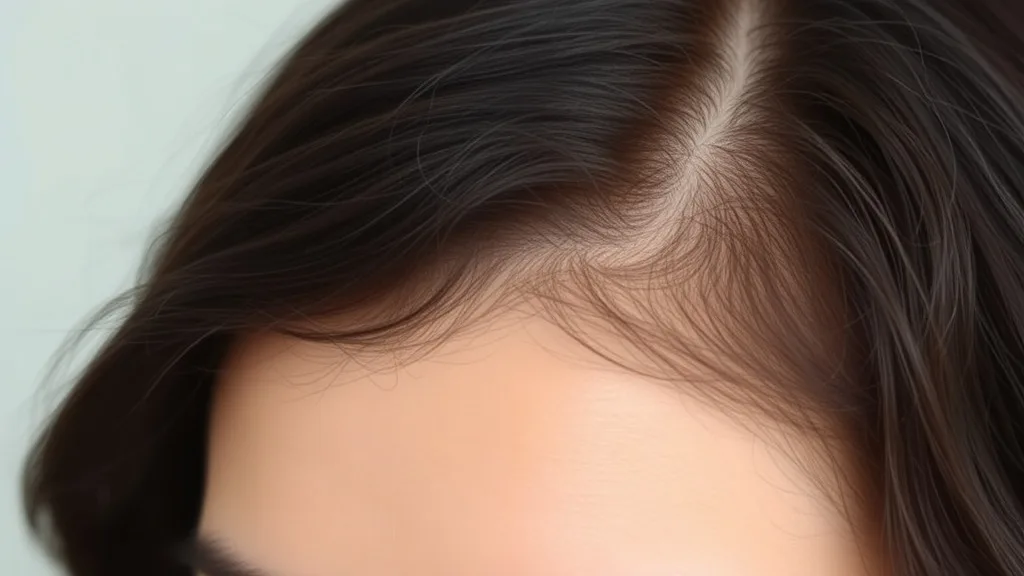
A wig hairline is the edge where the wig meets your forehead. Even the most expensive wig can look fake if the hairline is stiff, thick, or unnaturally straight. The goal is to mimic the way real hair grows: sparse, uneven, and with tiny variations. In theater, we call this ‘breaking the line’—making the edge of the wig blend seamlessly into the skin.
Step 1: Plucking for a Graduated Edge
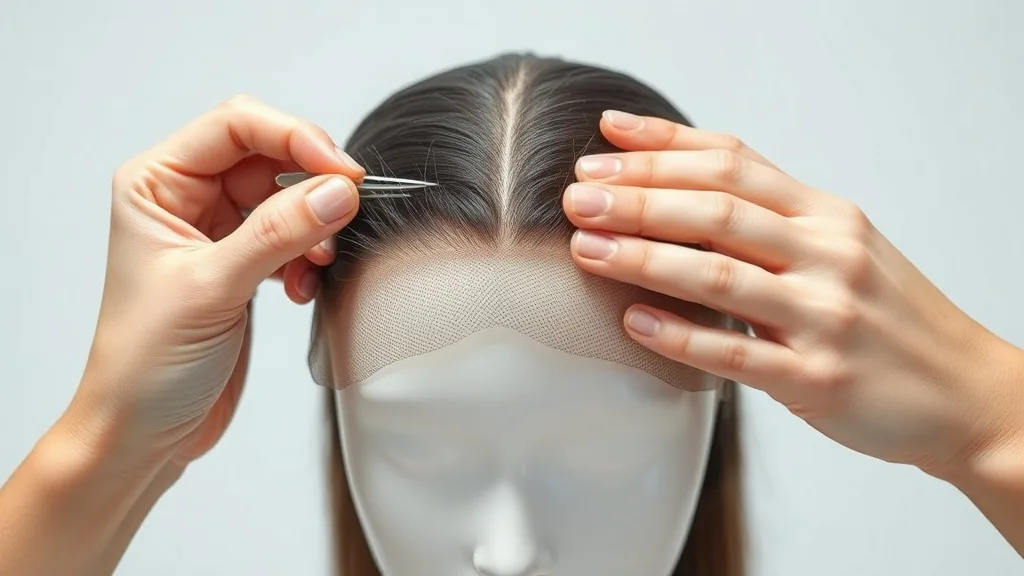
The first and most crucial step is plucking. This mimics the natural density of hair, which is thinner at the temples and hairline than on the rest of the head. Use a pair of tweezers to gently remove hairs along the lace front, one at a time. Focus on creating a irregular, staggered pattern. Don’t overdo it—you can always pluck more, but you can’t add back hair.
- Start at the center of the hairline and work outward.
- Pluck in a zigzag or V-shape to avoid a straight line.
- Refer to a photo of your own hairline or a real person’s for guidance.
In theater, I often pluck under a bright light to see every hair. You’d be surprised how many wigs are ruined by over-plucking. A good rule: stop when you think you need to do more, then stop again.
Step 2: The Right Lace for Your Skin
Lace front wigs come in different lace colors: transparent, light brown, medium brown, and dark brown. Choose a lace that matches your skin tone. If you’re between shades, go lighter—transparent lace works for most fair to medium skin, but for darker skin, a brown lace is better. You can also tint the lace with foundation or specialized lace tint spray.
Step 3: Coloring the Lace (Yes, You Can!)
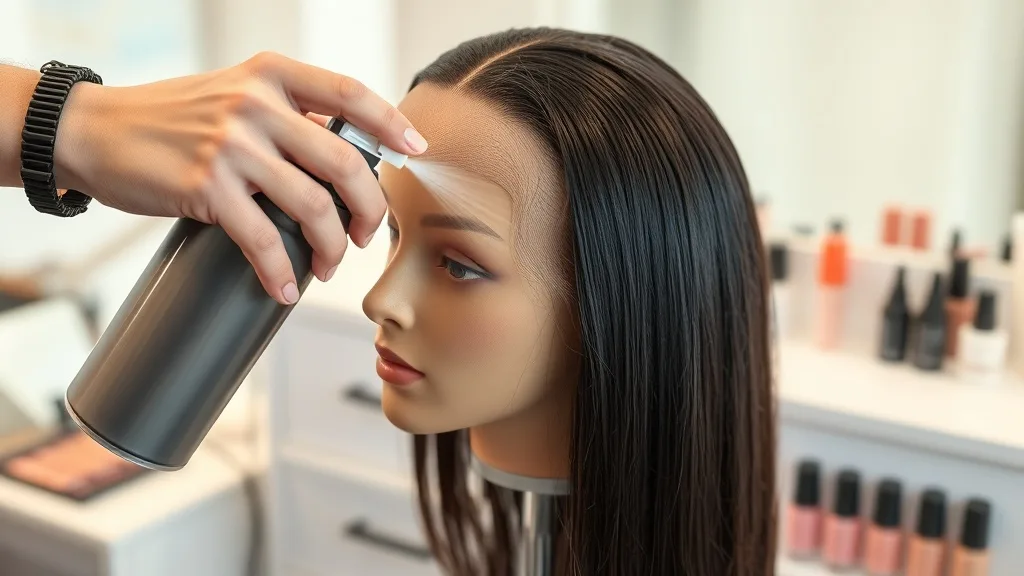
Even with the right lace color, the stark white or beige netting can still be visible. Use a small makeup sponge to lightly dab foundation or concealer along the hairline. Choose a shade that matches your skin exactly, and blend outward. For a longer-lasting solution, apply a lace tint spray and allow it to dry completely before wear. I’ve used this trick under sweat-inducing stage lights, and it never fails.
Step 4: Baby Hairs—Nature’s Illusion
Real hairlines have tiny baby hairs that stick up or lay flat. To recreate this, take small sections of hair from the front and cut them at different lengths (about 0.5–1 inch). Use a small flat iron to bend them into natural-looking wisps. Don’t make them too uniform—messy is natural. In theater, we call these ‘flyaways’, and they are your best friend.
Step 5: Styling and Trimming
A wig fresh out of the box often has a blunt, straight hairline. Use thinning shears to soften the edge, snipping vertically into the lace (not horizontally) to break up any straight lines. Then style the wig to lay naturally—part the hair slightly off-center and sweep some strands forward. Avoid heavy gels or sprays that make the hair look stiff; a light hairspray is all you need.
Step 6: Secure and Blend
Use a strong, skin-safe adhesive like wig tape or glue along the front. Apply it in thin strips, not a glob. Press the lace down firmly and let it dry. Then dust a bit of translucent powder over the lace to eliminate shine. This step is critical under stage lights—shiny lace screams ‘wig’.
Step 7: Maintenance for Longevity
A natural-looking hairline doesn’t last forever. After each wear, clean the lace with alcohol to remove adhesive and oils. Repluck any areas that have become too dense. Store the wig on a mannequin head to maintain the shape. In theater, we refurbish wigs every few weeks to keep them stage-ready.
Conclusion: The Stage is Yours
A natural wig hairline is an art form, but with these techniques, you can achieve a look that fools even the sharpest eyes. Whether you’re under stage lights or in broad daylight, remember: the devil is in the details. Pluck carefully, color with confidence, and never underestimate the power of baby hairs. Your wig—and your audience—will thank you.
Now go forth and make that hairline disappear!