
The Shiny Wig Stereotype
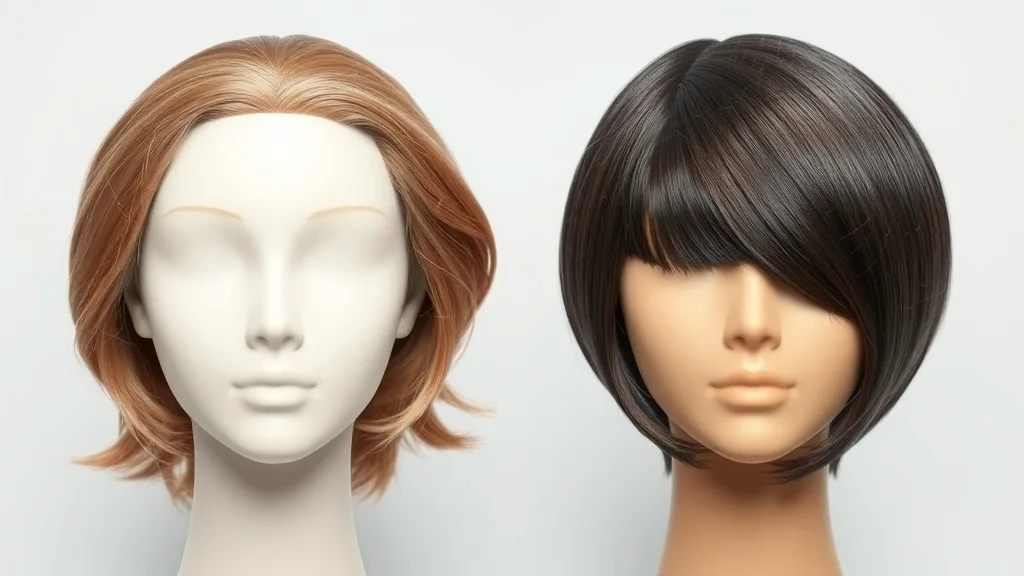
If I had a nickel for every time someone told me they avoid wigs because they look too shiny, I could retire early. As a wig material scientist, I've spent years studying the optical properties of hair fibers – both synthetic and human. And I'm here to tell you: the idea that all wigs are shiny is a myth, rooted in outdated materials and misconceptions.
The Science of Shine
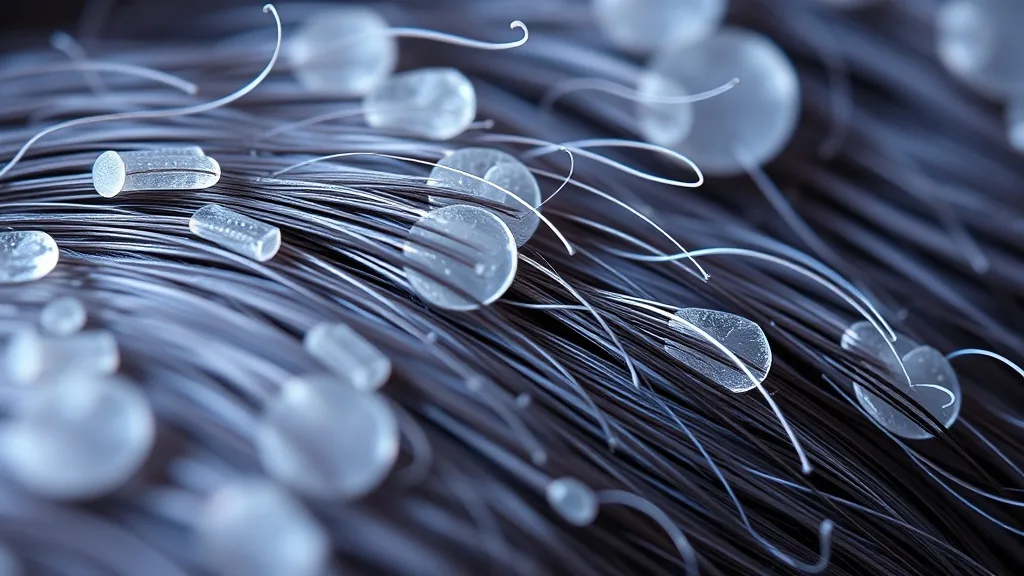
Shine, or luster, is the result of light reflecting off a fiber's surface. Hair fibers have a cuticle layer – overlapping scales that act like roof tiles. When those scales lie flat and smooth, light bounces off uniformly, creating a glossy appearance. Rough or raised cuticles scatter light, producing a matte look. In human hair, cuticle health is influenced by genetics, chemical treatments, and wear. In synthetics, the fiber's composition and manufacturing process dictate shine.
- Smooth cuticle = higher shine
- Rough cuticle = lower shine
- Fiber diameter also affects perceived gloss
Synthetic vs. Human Hair: Built-In Differences
Early synthetic wigs were made from acrylic and polyester, which had a plastic-like sheen. Modern synthetics – like Kanekalon, Toyokalon, and modacrylic – are engineered to mimic human hair's natural luster. But they still differ. Human hair has a complex structure with a delicate cuticle that can be damaged, reducing shine. Synthetic fibers have a uniform surface that can be made matte or glossy via additives or texturing. So a high-quality synthetic wig can look perfectly matte, while a cheap one may glare under lights.
How Manufacturing Affects Shine
The manufacturing process for synthetic wigs involves extruding molten polymer through tiny holes (spinnerets) to form fibers. The speed of cooling and stretching determines fiber diameter and surface texture. Slow cooling produces smoother fibers with higher shine; rapid cooling creates a matte finish. Additionally, some fibers are coated with silicone or other materials to reduce friction and static, but these coatings can increase shine. In human hair wigs, the cuticle alignment is critical. Cuticle layers that are intact and aligned in the same direction produce a natural, subtle sheen. Aggressive processing – like stripping cuticles for a silky feel – can result in a high-shine, unnatural look.
The Role of Care Products
Many people use products to adjust their wig's shine. Conditioners and oils often add luster by smoothing the fiber surface. But overusing these can create a gummy, greasy gloss. Conversely, dry shampoo or baby powder can tone down shine. Understanding your wig's fiber type is crucial: human hair responds to serums and heat tools, while synthetics require special low-temperature care. Always check product labels – some contain alcohol or silicones that might alter appearance.
Choosing a Wig with Desired Shine Level
For a natural, matte look, opt for human hair wigs with intact cuticles or synthetics labeled "matte" or "natural finish." If you want a touch of gloss, look for light-reflective fibers like those with a subtle shimmer. And if you prefer high-shine for performance or fashion, synthetic styles with glossy coatings are available. The key is to read descriptions, see real photos, and if possible, handle the wig before buying.
Conclusion: Embrace the Variety
The myth that all wigs are shiny stems from limited exposure to poor-quality products. Today, wig technology offers a spectrum from ultra-matte to high-gloss. Whether you're a scientist like me or just someone seeking a natural look, there's a wig with the perfect luster for you. So next time someone says wigs are too shiny, you can politely educate them with a bit of material science.