

Introduction: The Itch That Never Was
If you've ever avoided wigs because you heard they're itchy, you're not alone. That rumor has haunted wig-wearers for decades. But as a tech-savvy wig enthusiast who spends hours 3D printing custom wig stands, I can tell you firsthand: the “all wigs itch” myth is as outdated as a weave from the 80s. Modern wigs have undergone a revolution in materials and construction, making them more comfortable than ever. Let's break down the real sources of itchiness and how to avoid them.
Where Does the Itch Myth Come From?
The myth likely originated from early wigs made of coarse synthetic fibers or cheap lace. Those wigs often had rough edges, poor ventilation, and irritating adhesives. But today's wigs—especially those from brands like Wigplace—use soft, breathable materials that mimic natural hair and scalps. The problem isn't wigs themselves; it's outdated designs and improper care.
The Science of Comfort: Wig Caps and Materials
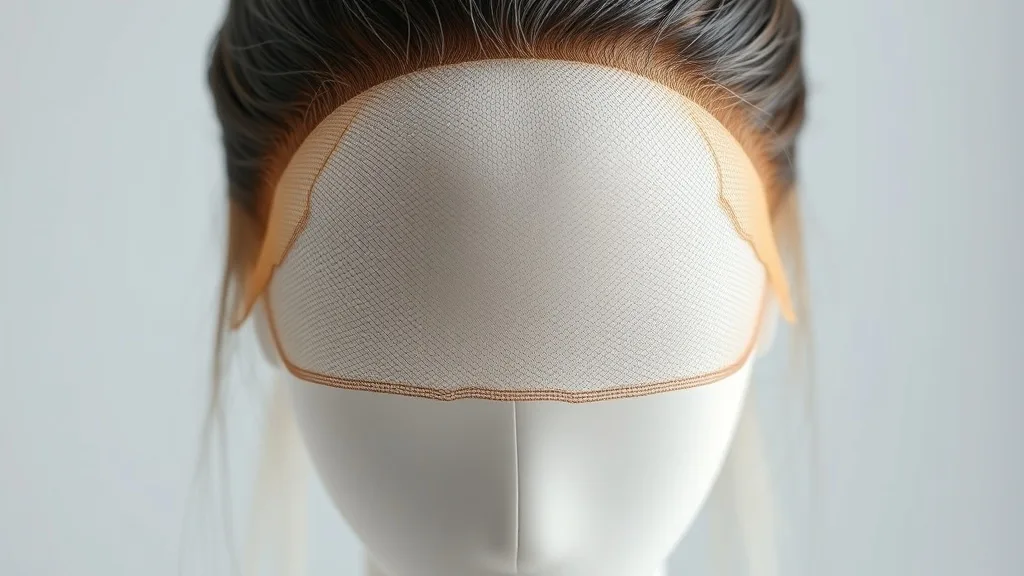
A wig's comfort starts with its cap. The cap is the foundation, and modern caps come in several types: monofilament, lace front, full lace, and hand-tied. Monofilament caps use a fine mesh that allows your scalp to breathe, while lace fronts offer a natural hairline. Hand-tied caps give the most realistic movement and air circulation. The best part? Many of these caps are designed to be lightweight and virtually invisible, eliminating friction and heat buildup.
The Role of Hair Fibers: Synthetic vs. Human Hair
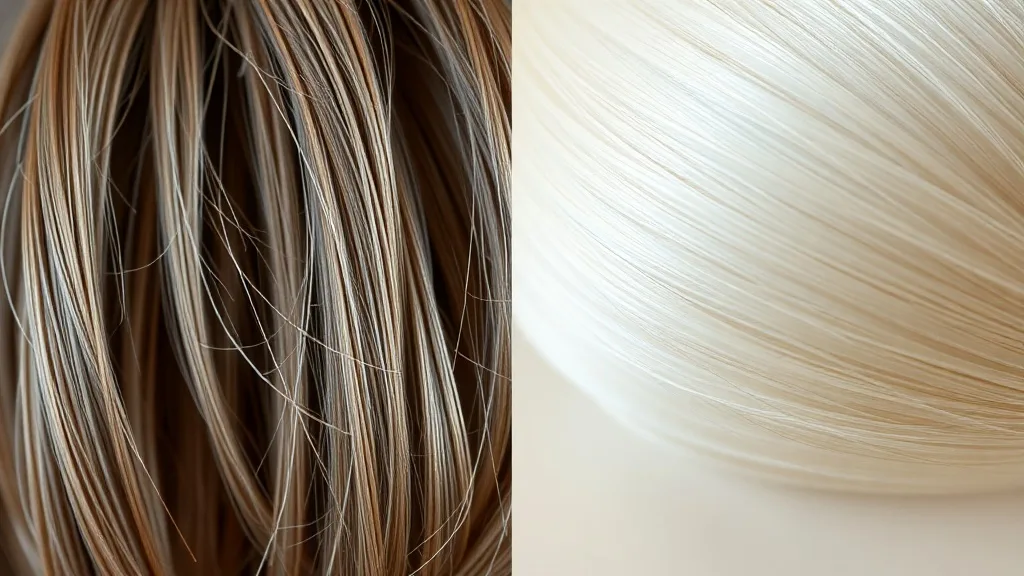
Another factor is the hair itself. Early synthetic wigs used stiff, shiny fibers that didn't move naturally and could cause irritation. Today's synthetic wigs use heat-friendly fibers that look and feel like human hair, plus they're often coated with silicone for a smooth texture. Human hair wigs, of course, offer the most natural feel, but they require more maintenance to keep the cuticles aligned and reduce friction.
Fit and Sizing: The Key to No-Itch Wear
Even the best materials can't save a poorly fitted wig. A wig that's too tight will pull on your hairline and cause tension headaches and itching. A wig that's too loose will shift and rub against your skin. That's why I always recommend getting a custom-sized wig or using adjustable straps and combs. At Wigplace, we offer sizing guides and even 3D-printed wig stands that help you shape your wig to your exact head contour.
Common Causes of Itching and How to Fix Them
- Sweat and moisture: Use a wig cap made of breathable cotton or bamboo.
- Allergic reaction to adhesives: Try hypoallergenic tapes or glueless wigs.
- Friction from rough edges: Look for wigs with soft, rolled edges or silicone grips.
- Improper cleaning: Wash your wig regularly with mild, sulfate-free shampoo.
- Overuse of product: Heavy sprays and gels can clog the cap's mesh and cause irritation.
Personal Experience: From Skeptic to Advocate
I'll admit, even I was skeptical when I first started working with wigs. But after fitting hundreds of clients and developing my own 3D-printed accessories, I've learned that a comfortable wig is all about customization. With the right cap, proper fit, and a little TLC, you can wear a wig all day without even noticing it's there. That's the goal, and modern wig technology has made it achievable.
Conclusion: Don't Let the Myth Hold You Back
The next time someone tells you wigs are itchy, kindly set them straight. The wig industry has evolved, and comfort is now a top priority. Whether you choose a synthetic or human hair wig, invest in a quality cap and get the right fit. Your scalp will thank you, and you'll wonder why you ever believed that old myth.