

Every wig wearer has one hairstyle that made them fall in love with wigs in the first place. Mine involved a shoulder-padded blazer, a rhinestone brooch the size of a doorknob, and a cascade of dark curls I could pile a solid eight inches above my forehead. That was 1986, and the wig that made it possible was full lace. Several decades, more caps than I care to count, and one very patient stylist later, I still haven't found a construction that comes close to what full lace can do.
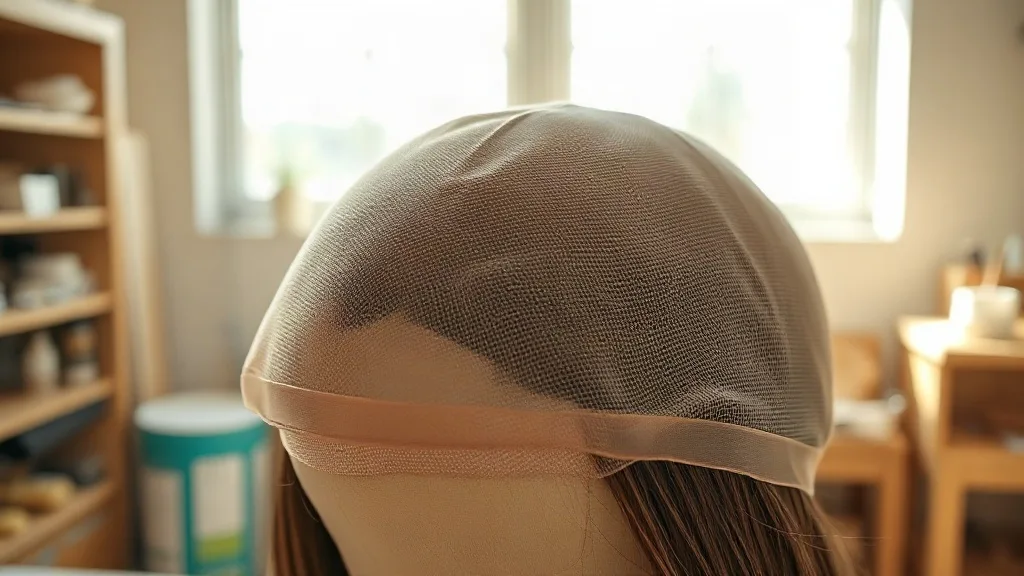
If you're new to the terminology, the idea is simpler than the marketing makes it sound. Full lace means the entire cap — forehead to nape, ear to ear — is built from lace, and every strand of hair is hand-tied into that lace individually. No wefted strips, no tracks, no solid panel lurking at the crown. It sounds like a small technical detail. It changes absolutely everything about how a wig behaves on your head.
This guide walks through what full lace actually is, why it earns the phrase "maximum versatility," how it compares to lace front and 360 lace, and — because nobody should buy a wig on hype alone — the trade-offs that come with it.
What Actually Makes a Wig Full Lace?
A full lace wig is a hand-tied garment from start to finish. The lace is stretched over a block, and a worker ties knots of hair through the mesh one at a time, following a natural growth pattern and density map. That process is why the cap feels like a second scalp rather than a hat, and it's also why the price can climb so quickly — hand-tying a single unit can take dozens of hours.
You'll see a few lace types in the descriptions, and they matter more than most shoppers realise. Swiss lace is fine, soft, and the most undetectable, but it's also the most fragile. French lace is slightly thicker and more durable, which makes it a favourite for people who wear daily. HD (high-definition) lace is an ultra-thin, translucent variant designed to melt into the skin under bright light or on camera. None of them are objectively best — they're a trade between invisibility and lifespan.
- Lace covers the whole cap, front to back and ear to ear — not just a strip at the hairline
- Every knot is tied by hand, which allows a natural growth pattern and multi-directional movement
- There are no machine-sewn wefts or tracks anywhere on the cap, so there are no ridges to hide
- The hair can be parted anywhere: centre, deep side, back, or a zigzag if you're feeling dramatic
- Units are almost always 100% human hair, though a small number of synthetic full lace wigs exist at lower price points
- Can be worn with adhesive, tape, or as a glueless unit secured by straps and combs
That last point trips people up. A full lace wig doesn't have to be glued down. Many modern units ship with adjustable straps, a stretch panel, or a silicone grip band, which makes them far more approachable for beginners than the reputation suggests.
Why Full Lace Means Maximum Versatility
Here's the test I use: imagine the hairstyle you actually want on your worst hair day. If it involves exposing a hairline, a part, or a nape, a full lace cap can probably do it. That's the whole point.
- High ponytails and half-up styles where the hairline and nape are fully visible
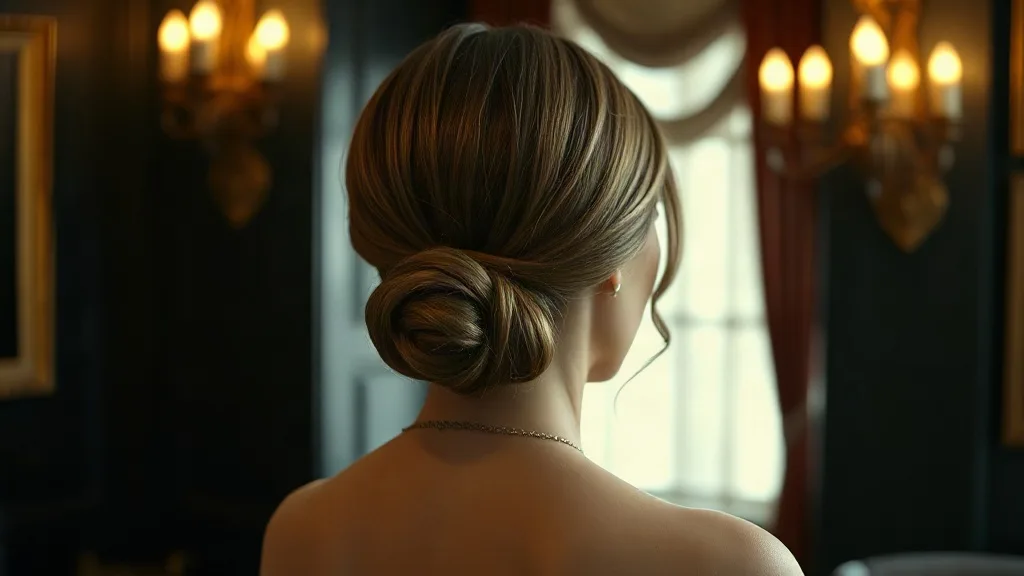
- Top knots, messy buns, and chignons built high on the crown
- Braided updos, fishtails, and cornrow-style sections along the hairline
- Deep side parts, centre parts, and back parts without a fixed part line showing through
- Twin buns, space buns, and any style that needs symmetry from both sides
- Sleek low ponytails where the nape hairline is the star of the show
The reason all of this works comes down to two things. First, there's no weft ridge, so nothing bulges under tension. Second, because the knots run all the way around the perimeter, the back and sides of the wig look like a natural hairline instead of a cap edge. Pull everything up, and there's nothing to give the game away.
There's a subtler benefit too. A full lace cap moulds to the shape of your head rather than sitting on top of it. That means less sliding, fewer headaches from pressure points, and a silhouette that photographs the way hair actually falls. If you've ever spent an evening adjusting a wig in a bathroom mirror, you know exactly how valuable that is.
Full Lace vs. Lace Front vs. 360 Lace
Most confusion in this category comes from three terms being used as if they're interchangeable. They aren't.
- Lace front (13x4, 13x6, and similar): lace only across the front hairline. The crown and back are wefted onto a solid cap, so ponytails and exposed napes will reveal the construction. Cheaper, sturdier, and easier for a beginner
- 360 lace: a band of lace runs around the entire perimeter with machine wefts in the crown. Updos and back parts work. A true centre part down to the crown usually doesn't, because the wefts are in the way
- Full lace: lace everywhere with no wefts at all. Every part, every updo, every exposed hairline works. It's the most versatile and the most delicate — and it costs accordingly
If your wardrobe is mostly hair-down styles, an honest lace front will serve you beautifully and save you several hundred pounds. If you live in updos, 360 lace is the sensible middle ground. Full lace is for the person who wants the ceiling removed entirely.
The Trade-offs Nobody Mentions
I love full lace, but I'd be a poor guide if I pretended it's perfect. These are the real costs, in money and in effort.
- Price: expect to pay meaningfully more than a comparable lace front, because of the sheer hours of hand-tying involved
- Delicacy: lace tears. Knots shed. Brushing aggressively, tugging at the hairline, or sleeping without protection will shorten its life fast
- Fitting: adhesive application has a learning curve, and a glueless unit still needs to be positioned thoughtfully every morning
- Durability: a full lace wig worn daily typically lasts somewhere between six and twelve months before it needs repair or replacement, less if mistreated
- Lead times: custom units made to your measurements can take six to twelve weeks to arrive
- Maintenance: re-bleaching knots and repairing lace are real costs, and most people should budget for a professional service at least once a year
None of that is a dealbreaker for the right wearer. It's just information you deserve before you spend the money.
Knots, Density, and Baby Hairs: The Details That Decide Everything
Two wigs can look identical in photographs and behave completely differently, because the difference lives in details you can't see from the outside.
- Bleached knots: lightening the knots at the hairline so they disappear against the skin. It makes a huge difference to realism, but bleaching weakens the knot, so it needs redoing over time
- Density: most full lace wigs range from about 130% to 180%. Higher density looks fuller but can also look heavier against the face — 150% is the sweet spot for most people
- Baby hairs: fine, wispy hairs along the hairline. Wearable if they're naturally placed, disastrous if they're stiff. I'll say it plainly: we didn't have baby hairs in 1985, and I survived
- Hair origin and quality: Remy cuticle-aligned hair tangles far less than non-Remy. Virgin hair takes colour better. Processed hair is cheaper and less predictable
- Cap size: a full lace cap doesn't forgive a bad fit the way a webbed cap can. Measure properly, and don't be tempted to guess
How to Choose a Full Lace Wig You Won't Regret
Start with your actual habits rather than your aspirational ones. If you wear your hair down ninety per cent of the time, don't pay the full lace premium for updos you'll attempt twice a year.
- Measure your head: circumference, front hairline to nape, ear to ear over the crown, and temple to temple. A measuring tape and a friend, in that order
- Decide on lace type: Swiss for invisibility, French for durability, HD if you're frequently on camera
- Pick a density that suits your face, not the density of the model in the product photos
- Confirm it's genuinely full lace — ask directly whether the crown is wefted, because mislabelled listings are common
- Check the return policy in writing. A wig you can't return is a wig you'd better be sure about
- Look for a lace colour that matches your scalp, or buy tinted lace and adjust it yourself
One practical note: if a listing says "full lace" and the price looks too good to be true, it's very often a 360 lace unit or a lace front with an upgraded name. Ask for photos of the underside of the cap. A real full lace cap looks like lace, all the way through.
Fitting and Styling for Volume That Stays Put
Fitting a full lace wig well is mostly about patience in the first ten minutes and then leaving it alone. Bald caps or wig grips go on first, then scalp tint or foundation to soften the contrast between lace and skin. If you're using adhesive, apply it in thin layers and let it go clear-tacky before placing the unit, working from front to back so the hairline sits flat.
- Trim lace in small increments — you can always take more off, and you can't put it back
- Use low heat settings on styling tools; high heat plus lace is a recipe for melted mesh and a very expensive mistake
- Tease at the crown, not at the lace. Volume belongs in the middle and ends, never at the knots
- Set with hot rollers or large-barrel curls for body that holds without backcombing near the hairline
- Finish with a light misting of flexible-hold spray — hold, not cement
Big hair is a technique, not a product. Work in sections, build the shape from the inside out, and keep all the tension away from the lace.
Care and Maintenance Without the Heartbreak
A full lace wig can last well over a year with disciplined care, and about three months without it. The habits that matter most are the boring ones.
- Wash every eight to twelve wears with a sulfate-free shampoo in cool water
- Detangle from the ends upward, using your fingers first and a wide-tooth comb second — never comb dry lace from the root
- Apply conditioner to mid-lengths and ends only; keep it away from the knots and the cap
- Air dry on a stand. Never brush lace while it's wet, and never wring or squeeze it
- Rotate between two wigs if you wear them daily, so each gets recovery time
- Store on a stand or in a silk bag, away from direct sunlight, with the cap shape supported
- Book a professional re-bleach and lace repair once a year, or whenever the hairline starts looking tired
What Full Lace Wigs Cost, and Why
You can find full lace wigs from a few hundred pounds at the entry level, where the hair is often processed and the lace is basic. Mid-range units — roughly £600 to £1,200 — tend to offer the best balance of hair quality, realistic bleaching, and lace that will survive regular wear. At the top end, custom units made to your measurements with premium virgin hair can run well past £2,500, and often carry long lead times.
The premium isn't purely marketing. Hand-tying thousands of individual knots, mapping density and growth patterns, and getting the hairline convincing enough to pass at arm's length is skilled, slow work. You're paying for labour and for material quality, and both show up in how the wig ages.
So: Is Full Lace Right for You?
Buy full lace if you wear your hair up regularly, want a genuine part line in any position, care about a natural nape, and are willing to handle your wig gently. It's the best answer in the category for versatility, and nothing else quite replicates the feeling of putting your hair into a high ponytail and having nobody look twice.
Skip it — at least for now — if you're hard on your wigs, wear your hair down almost exclusively, or want something you can pull on and forget. A lace front or 360 lace unit will give you excellent results for less money, less fragility, and less upkeep. Full lace isn't the only good choice. It's simply the one that lifts the ceiling on what's possible. And if you're anything like me, one high ponytail with a shoulder-padded blazer is all it takes to be convinced.