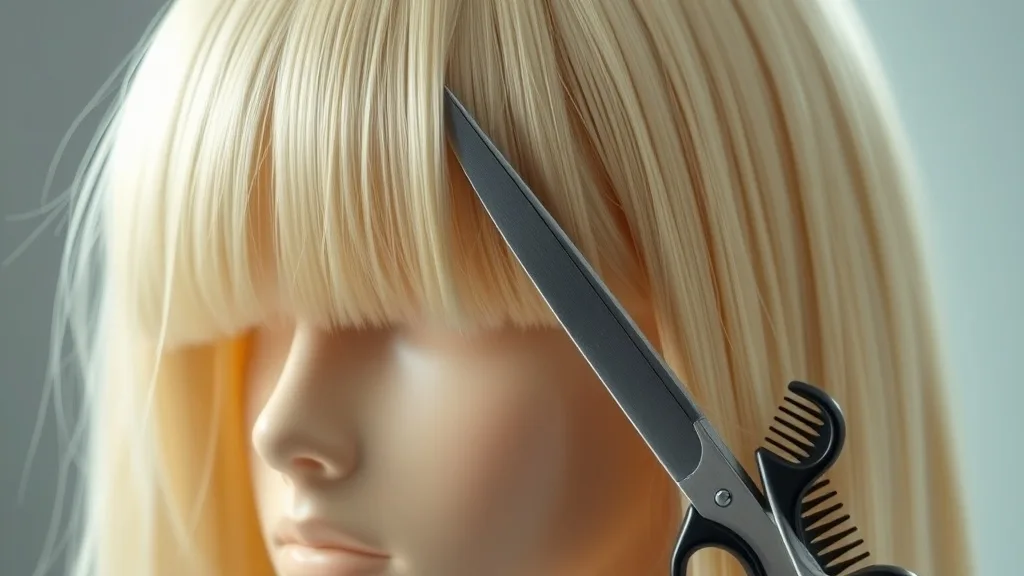
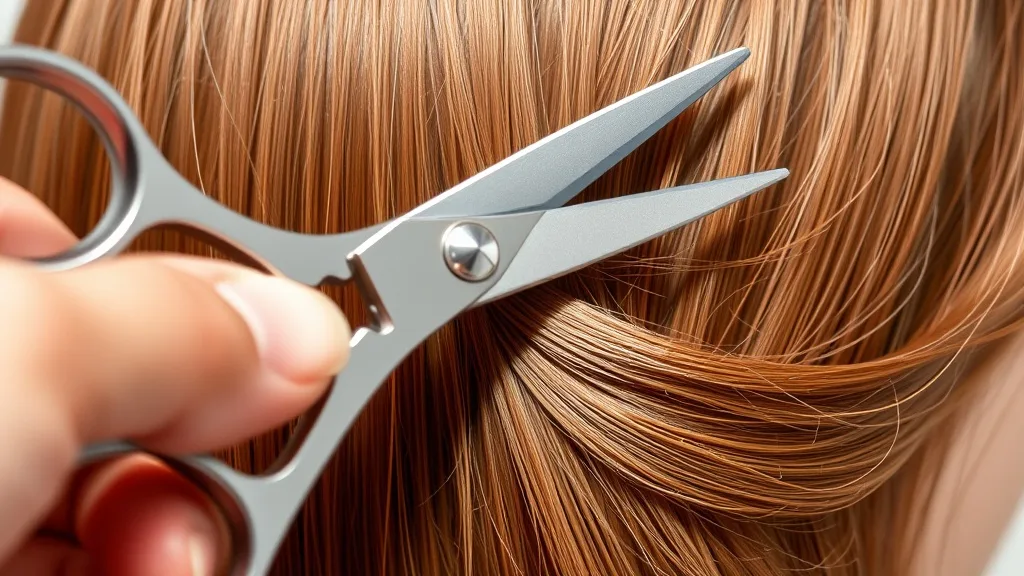
Lights, camera, action! Every wig I wear is a character waiting to come to life. But even the most expensive wig can look like a cheap prop if it doesn’t have the right cut. As a method actor who uses wigs to play different roles daily, I’ve learned that the secret to a undetectable wig isn’t just in the lace or the cap—it’s in the cut. Today, I’m pulling back the curtain on wig cutting secrets that will give your wig a natural, lived-in texture. Whether you’re playing a glamorous diva or a girl next door, these techniques will make your wig look like it grew from your own scalp.
The Magic of Cutting vs. Styling
Think of cutting as the script and styling as the performance. You can style a wig with heat, products, and pins, but if the cut isn’t right, no amount of teasing will make it look natural. A good cut adds movement, reduces bulk, and mimics the way real hair falls. It’s the foundation that makes everything else believable. Plus, a cut lasts longer than a curl—so you’re investing in multiple performances.
Essential Tools for the Job
Before you start snipping, you need the right tools. Here’s my kit for wig cutting:
- Thinning shears: Your best friend for removing bulk without creating blunt lines.
- Sharp haircutting scissors: For clean, precise cuts.
- Razor comb: Excellent for texturizing and feathering ends.
- Sectioning clips: To keep hair organized.
- Wig clamp: Holds the wig in place while you work.
Technique 1: Point Cutting for Soft Ends
Blunt ends scream “wig.” Point cutting—cutting into the ends at an angle—softens the edges and creates natural-looking texture. Hold the scissors vertically and snip small pieces. This works wonders on long wigs or bangs. It’s like giving your character a subtle, unspoken backstory.
Technique 2: Thinning for Volume Control
Wigs often come with too much hair, especially on the top. Use thinning shears to remove weight without losing length. Work in small sections, cutting near the roots and middle. This prevents that “puffy” look and lets the wig lay flatter against the head. Perfect for a low-maintenance character.
Technique 3: Carving Out the Hairline
The hairline is the tell. To make it believable, you need to create soft, irregular edges. Use small scissors to snip individual hairs along the lace front, mimicking natural baby hairs. Then, point-cut the hairline to break up any straight lines. This takes practice, but it’s the ultimate acting trick—making the illusion real.
Technique 4: Layering for Movement
Real hair isn’t one length. Layers add bounce and flow. For a natural look, keep the layers long and subtle. Use a sectioning pattern: take a horizontal section, comb it straight, and cut at a slight angle. Repeat all over. The result? A wig that moves like real hair, catching light and shadow.
Common Mistakes and How to Avoid Them
- Cutting too much at once: Start small and check frequently. You can always cut more, but you can’t glue it back.
- Using dull scissors: They’ll crush the fibers. Always use sharp scissors.
- Skipping the parting: Decide where the part will be before cutting, or you’ll create a mess.
- Being afraid of thinning: Too much thickness looks fake. Embrace the thinning shears!
Final Tips from a Method Actor: Transform Your Wig into a Character
Every character needs a hairstyle that tells a story. When I’m preparing for a role, I think about their life: Did they just roll out of bed? Are they a perfectionist? The cut should reflect that. Don’t be afraid to mess up a wig—it’s just a prop until you give it life. Practice on an old wig first, then move to your favorite. And remember: the more you cut, the more natural it becomes. Now go on, take your bow, and let your wig steal the scene!