

Introduction: The Disconnected Revolution
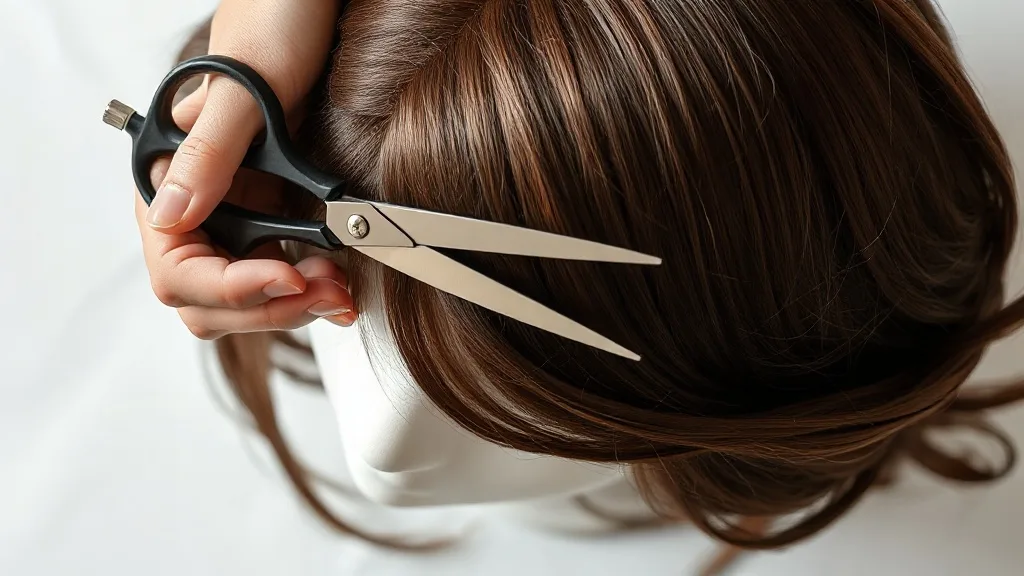
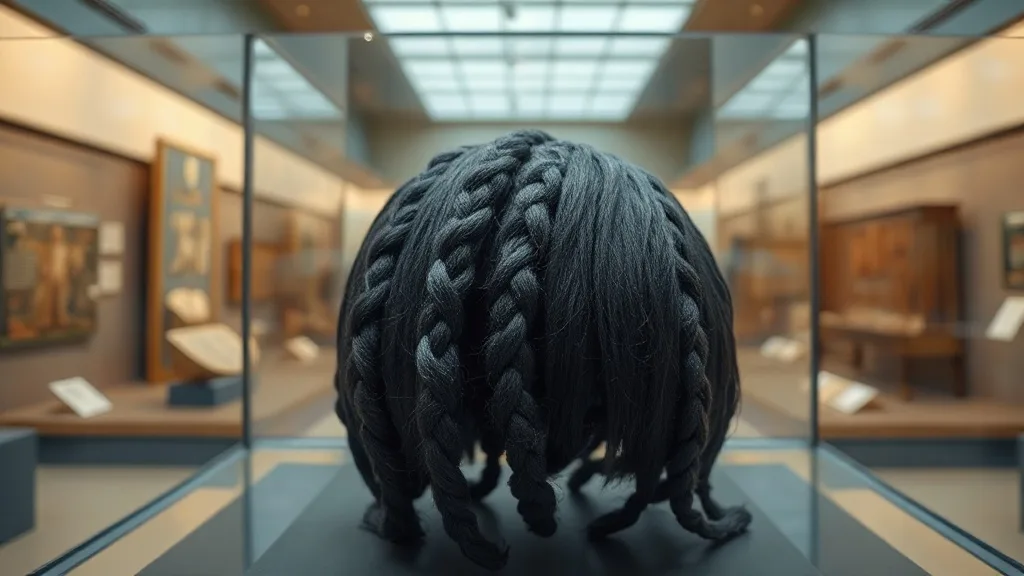
The disconnected wig cut—characterized by sharp, abrupt layers that create volume and movement—has become a staple in modern wig styling. But as a historian of ancient wig culture, I must point out: the Egyptians were doing this 4,000 years ago. Their wigs, often made from human hair and plant fibers, featured distinct layers that allowed for ventilation and grandeur. Today, we apply similar principles with modern tools.
Understanding the Disconnected Look
A disconnected cut means the layers are not blended. Instead, each section of hair is cut to a different length, creating a visible separation. This technique adds texture and reduces bulk, making it ideal for wigs that need to feel lightweight but look full. For wig wearers, it also helps conceal the cap edge when styled properly.
The Ancient Art of Wig Cutting: An Egyptian Perspective
Many stylists claim modern disconnected cuts originated in the 1970s. Nonsense. The Egyptians mastered layering to create wigs that held their shape under the harsh sun. They used knives and heated tools to sever hair strands, achieving sharp ends that allowed wigs to sit away from the scalp—essentially disconnected. They even used beeswax to seal ends, a precursor to modern sealants.
Step-by-Step Cutting Secrets
Tools of the Trade
- Professional hair shears (6-7 inches)
- Sectioning clips
- Wide-tooth comb
- Mannequin head with clamp
- Spray bottle with water
- Blow dryer with diffuser
Maintenance Tips for Disconnected Wigs
Keep the look fresh by trimming the disconnected layers every 6-8 weeks. Use a sulfate-free shampoo to preserve the cut, and avoid excessive heat styling that can dull the sharp edges. Store the wig on a stand to maintain the shape. Remember: the ancient Egyptians used cedar oil to condition their wigs—a practice worth reviving.
Conclusion: Timeless Innovation
Whether you're a modern stylist or a history buff, the disconnected wig cut is a testament to how ancient techniques endure. So next time you pick up your shears, consider the pharaohs who paved the way. They knew that a sharp layer could change everything.