
Introduction
As a passionate advocate for toupees and wigs, I've seen too many wig enthusiasts overlook one critical aspect of styling: ventilation. Whether you're a seasoned pro or a DIY beginner, cutting a wig in a stuffy, unventilated space is a serious mistake. The airborne particles and chemical fumes released during cutting can cause respiratory issues, allergic reactions, and even long-term health problems. In this article, I'll explain why you need fresh air, what hazards to watch out for, and how to set up a safe workspace.
The Hidden Hazards of Wig Cutting
Many people assume that cutting a wig is just like cutting natural hair—harmless fun. But wigs are often made from synthetic fibers, human hair treated with chemicals, or a blend. When you cut these materials, you create microscopic dust particles that can be inhaled. Additionally, if you're working with a wig that has adhesive residue (common in toupees for secure hold), you may be releasing fumes from solvents or bonding agents.
Here are the main risks you face when cutting a wig without proper ventilation:
- Inhalation of fine synthetic fibers that irritate the lungs and throat.
- Exposure to adhesive fumes (e.g., from lace front wigs or toupee tapes) that can cause headaches or dizziness.
- Allergic reactions to dust or chemicals, especially if you have asthma or sensitivities.
- Accumulation of particles on your skin, eyes, and work surfaces.
Why Your Workspace Needs Ventilation
A well-ventilated area dilutes and removes these contaminants. It's not just about comfort—it's about safety. I recall a client who used to cut her toupee in a windowless bathroom. She complained of constant coughing and sneezing. After I advised her to move to a room with open windows and a fan, her symptoms vanished. That's the power of fresh air.
Good ventilation also helps preserve the quality of your wig. Dust particles can settle on the fibers, making them look dull. Fumes can interact with the hair, causing discoloration over time. So ventilation protects both you and your investment.
How to Set Up a Well-Ventilated Wig Cutting Station
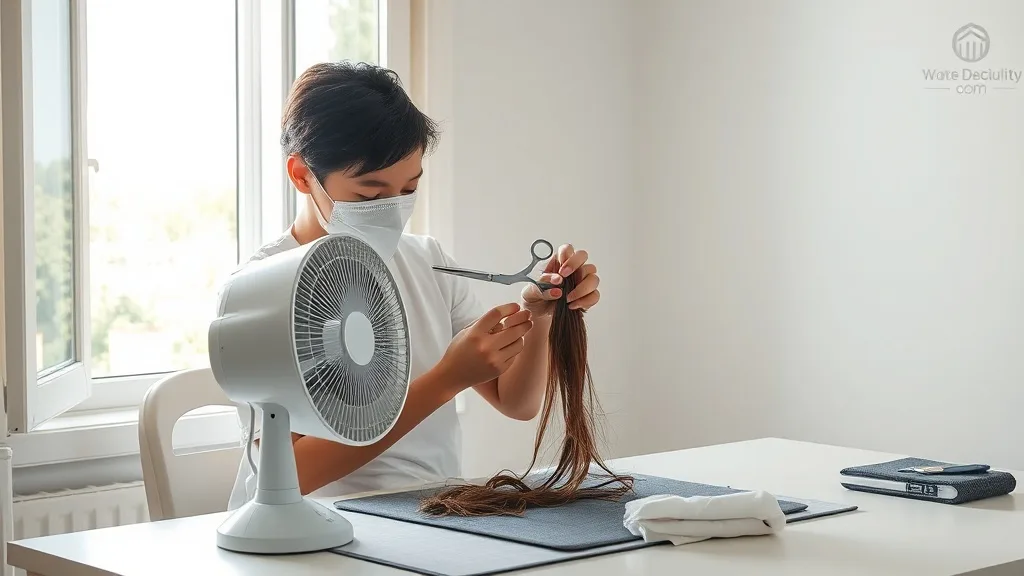
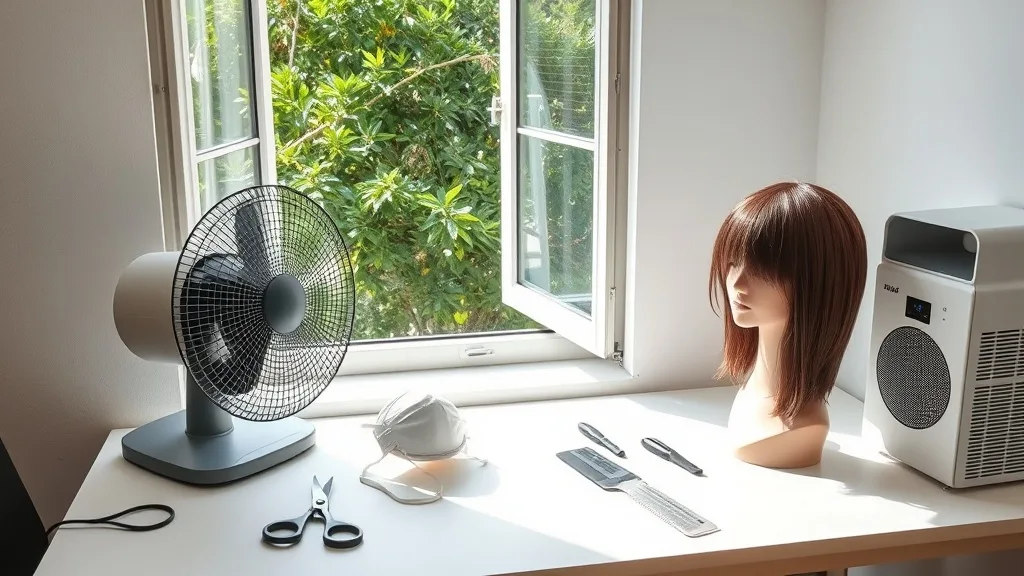
You don't need a professional salon hood—simple steps can make a big difference. Here's my recommended setup:
- Choose a room with at least two windows to create cross-breeze. Open them wide.
- Use a box fan facing outward to exhaust fumes and dust outside.
- Place your cutting table near the window so the breeze flows across your work area.
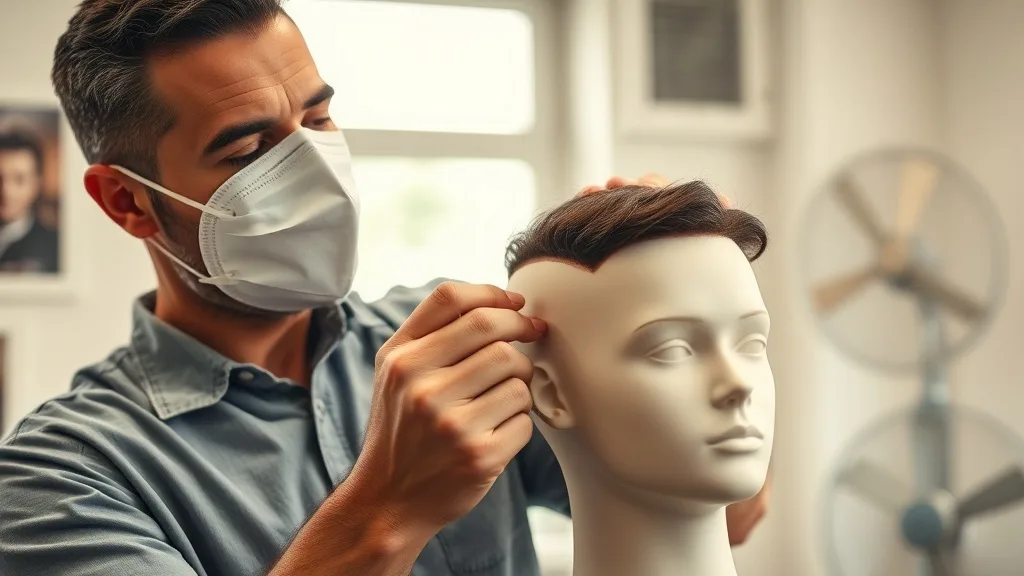
- Wear a NIOSH-approved N95 mask for extra protection against fine particles.
- Consider using an air purifier with a HEPA filter to capture airborne debris.
- Keep a damp cloth nearby to wipe down surfaces and prevent dust from resuspending.
Additional Safety Tips for Wig Cutting
Beyond ventilation, here are other precautions every wig and toupee lover should take:
- Work on a disposable mat or newspaper to catch trimmings for easy cleanup.
- Avoid using scissors that are too sharp, as they can create finer dust. Dull scissors also damage the wig fibers.
- If you're cutting a toupee with a lace base, be extra careful—the adhesive can release fumes when cut.
- Take breaks every 15–20 minutes to step away from the work area and breathe fresh air.
Conclusion: Breathe Easy, Style Smart
As someone who has dedicated years to appreciating and caring for toupees (those underrated gems!), I can't stress enough the importance of a safe workspace. Cutting a wig is an art, but it doesn't have to be hazardous. By ensuring proper ventilation, you protect your health, prolong the life of your wig, and make the styling experience more enjoyable. So next time you reach for those scissors, open a window and let the fresh air in. Your lungs—and your toupee—will thank you.