
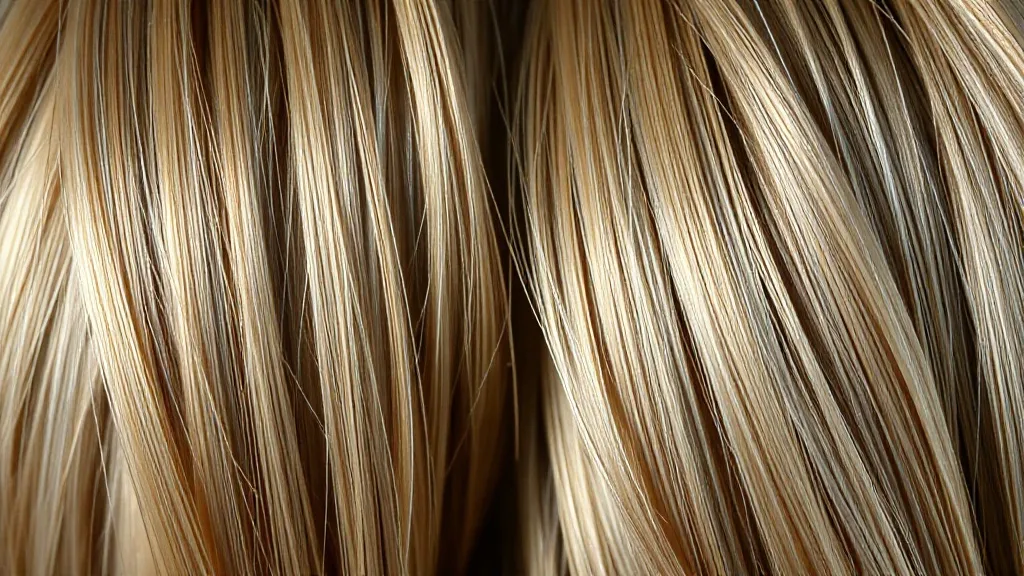
The Problem with Product Overload
Many wig wearers fall into the trap of thinking more product equals better style. The reality is quite the opposite. Each layer of gel, spray, or cream adds weight and residue that gradually compromises the wig's natural movement and luster. Over time, product buildup can make synthetic fibers clump or cause human hair wigs to appear dull and stiff. The chemical compounds in styling products—polymers, silicones, and alcohols—can also degrade the wig's construction, especially at the cap attachment points. As a wig conditioner chemist, I've seen countless wigs ruined by excessive product use.
How Less Product Enhances Natural Movement
A well-made wig is designed to mimic natural hair flow. When you apply heavy products, you're essentially fighting the wig's built-in structure. By using minimal product, you allow the fibers to respond to gravity and air movement just like bio hair. This is especially important for lace front wigs and those with fine fibers. The reduction of product weight also reduces tension on the lace and knots, prolonging the wig's lifespan. Think of it as letting the wig breathe—your style will look more effortless and realistic.
Healthier Wig Cap and Scalp
Your scalp health matters, even under a wig. Product residue can seep through the cap and cause irritation, clogged follicles, or even fungal growth. Minimalist styling reduces this risk significantly. Additionally, less product means less frequent washing, which prevents over-stripping of natural oils and fiber conditioners. Your wig will stay fresher longer, and your scalp will thank you. I recommend using a lightweight, water-based leave-in conditioner as your primary styling aid—it provides moisture without buildup.
Choosing the Right Products for Minimalist Styling
When you commit to using fewer products, quality becomes paramount. Look for products labeled 'lightweight' or 'for fine hair' even if your wig is human hair. Avoid heavy waxes, petroleum-based gels, and silicone-heavy serums. Instead, opt for natural oils like argan or jojoba in tiny amounts. A good rule of thumb: start with a pea-sized amount and build from there. Your wig should feel clean to the touch, not greasy or sticky.
Tips for Applying Less Product Effectively
- Warm product between your fingers before applying to ensure even distribution.
- Focus application on the mid-lengths and ends, avoiding the roots and cap.
- Use a wide-tooth comb to distribute product gently without pulling.
- Let your wig air-dry after product application to set the style naturally.
- Refresh with a light mist of water instead of adding more product.
Conclusion
Embracing minimalism in wig styling isn't about deprivation—it's about working with your wig's natural strengths. You'll achieve a more realistic, longer-lasting style while protecting your investment. Next time you reach for that bottle of gel, ask yourself: does my wig really need this? Often, the answer is no. Less truly is more when it comes to wig styling.