Introduction: The Unkindest Cut
You’ve spent good money on a beautiful wig. You’ve styled it, loved it, and now it’s time for a trim. Maybe you’re tempted to snip away yourself, or maybe you’ve trusted a stylist who doesn’t specialize in wigs. Either way, a bad cut isn’t just a cosmetic tragedy—it can dramatically shorten your wig’s lifespan. As someone who builds wig stands for a living, I’ve seen the aftermath of countless bad haircuts on wigs. Let’s break down what actually happens when you make a bad cut, and how to avoid it.
Why Bad Cuts Happen
Wigs aren’t like natural hair. They don’t have a blood supply, they don’t grow back, and every fiber is a tiny engineered masterpiece. A bad cut usually comes from one of these mistakes:
- Using dull scissors that crush instead of slice
- Cutting wet wig fibers that stretch and then shrink unevenly
- Not securing the wig properly (hence my obsession with good stands)
- Over-cutting layers that expose the cap or wefts
- Ignoring the grain of the hair fibers
The Damage: From Fibers to Frizz
When you make a bad cut, you’re not just shortening hair—you’re creating open-ended fibers that are prone to fraying. Think of it like cutting a rope: a clean, sharp cut keeps the rope intact, but a ragged cut causes unraveling. In a wig, those frayed ends start to split, curl, and tangle with neighboring fibers. Over time, the entire wig can become a matted mess.
Synthetic wigs are especially vulnerable. Heat-resistant fibers may melt or fuse if cut with hot tools, while cheaper synthetics can develop permanent kinks. Human hair wigs are more forgiving, but they still need professional handling—bad cuts remove the cuticle layer, leading to dryness and breakage.
Shedding and Thinning
A bad cut doesn’t just affect the ends. When you cut too close to the knot (the point where hair attaches to the cap), you weaken the anchor. Over time, those hairs will shed prematurely. I’ve seen wigs lose 30% of their density simply because someone got scissor-happy near the wefts. Using a wig stand with proper clamping can help you see exactly where the knots are before cutting.
Tangling and Matting
Split ends from a bad cut act like Velcro. They catch on other fibers, creating tiny knots that escalate into major tangles. Brushing becomes a nightmare, and every detangling session pulls out more hair. Within weeks, a once-lush wig can look like a dusty tumbleweed. Regular trims by a pro can prevent this, but once the damage is done, you may need a full re-cut or even a new wig.
How to Avoid a Bad Cut
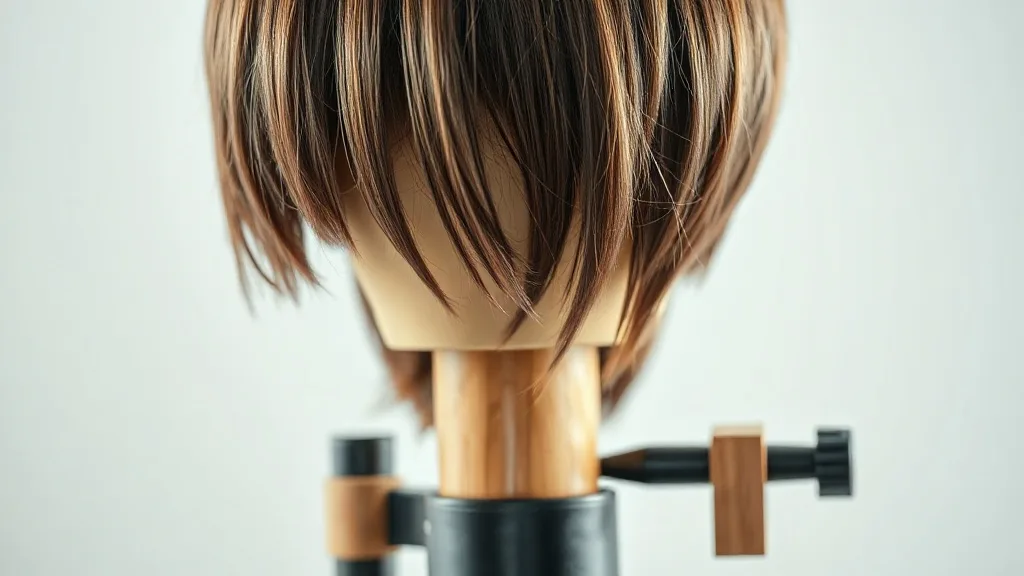
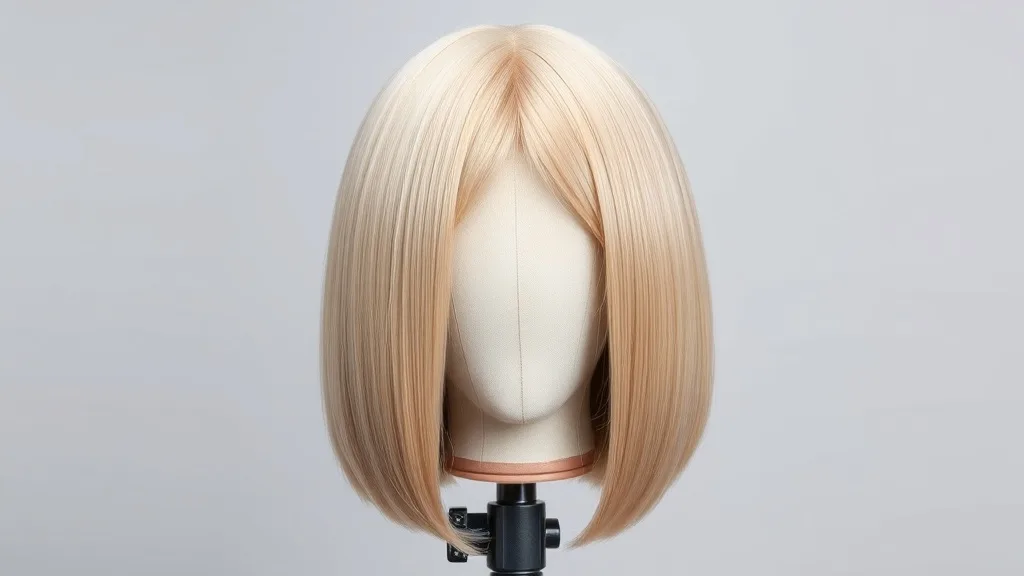
First and foremost: place your wig on a high-quality stand. I may be biased, but a stand that mimics a real head—with adjustable tension and a stable base—gives you the control you need. You can see the wig’s true shape, access all angles, and work without the wig slipping.
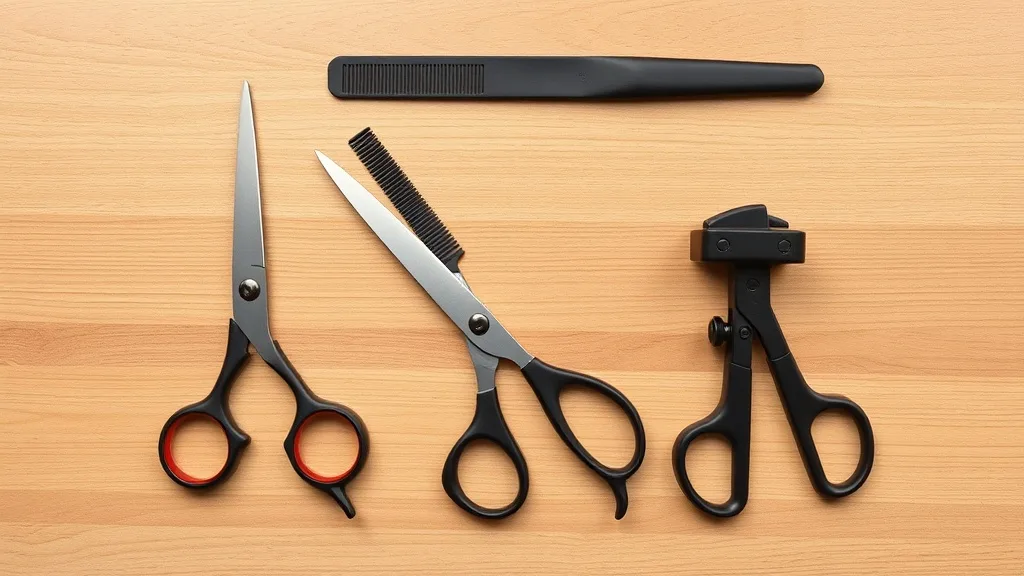
- Use sharp, professional shears (never paper scissors)
- Cut dry, never wet (unless it’s human hair and you’re using a razor)
- Start with tiny snips—you can always take more off, but you can’t put it back
- Work in good lighting and wear a styling cape to catch clippings
- Invest in a wig stand with a clamp that holds the wig firmly at the nape
Conclusion: Protect Your Investment
Your wig is an extension of your style, and a bad cut is like a betrayal of trust between you and your hair. By understanding the mechanics of wig fibers and using the right tools—especially a proper stand—you can keep your wig beautiful for months longer. Remember: a good cut is a conversation with the wig, not a fight. Listen to its texture, respect its construction, and your wig will reward you.
I’m off to adjust a clamp on my newest stand design. Keep those wigs perky, folks.