

Introduction: A Dampened Spirit
As a man who has spent decades studying the powdered wigs of the 18th century, I've seen my share of hair disasters. But nothing—and I mean nothing—sends a shiver down my spine quite like the arrival of humid weather. You see, humidity is the sworn enemy of any wig, whether it's a modern synthetic contraption or a handcrafted human hair masterpiece. And let me tell you, the flimsy excuses for wigs folks wear today stand no chance against a muggy afternoon. In this article, I'll share the truth about wig styling in humid weather, drawing on the hard-won wisdom of our wig-wearing ancestors. Prepare yourself for some old-fashioned truth-telling.
The Science of Humidity and Hair
First, let's understand the enemy. Humidity is simply water vapor in the air. Hair—whether natural or synthetic—absorbs moisture from the air, causing it to swell, kink, and frizz. Human hair wigs are especially vulnerable because the cuticles lift, allowing moisture to penetrate the cortex. Synthetic fibers, though less absorbent, can still become limp or staticky. The result? A wig that looks like it went through a car wash. In the 18th century, wigs were made from horsehair, goat hair, or human hair, and they were coated in stiff pomades and powders to create a near-weatherproof shell. Modern wigs lack that armor, which is why they wilt in humidity.
The Modern Wig's Weakness
Today's wig wearers are sold a bill of goods. They're told that wigs are low-maintenance and ready-to-wear. Balderdash! The average modern wig—especially those cheap synthetic ones—has no defense against humidity. The fibers frizz, the curls droop, and the cap becomes sweaty and uncomfortable. I've seen ladies and gentlemen alike walk into a humid day looking like royalty and emerge looking like they've been through a hurricane. It's a crying shame. The truth is, modern wig manufacturers prioritize convenience over durability. They'd rather sell you a new wig every season than teach you how to care for one properly. But we know better.
Lessons from the 18th Century
Ah, the 18th century! When wigs were not mere accessories but statements of power, wealth, and hygiene. Our ancestors understood that a wig must be built to last. They used stiff pomades made from beeswax, lard, and pine resin to create a barrier against moisture. They powdered their wigs with starch or flour, which absorbed excess oils and kept the style in place. And they wore wig bags or casquettes when outdoors to protect their coiffures from the elements. The result? Wigs that could withstand rain, humidity, and even a good sneeze without losing their shape. We must revive these techniques if we hope to defeat humidity.
Practical Tips for Today
Now, I'm not saying you should go back to wearing three-foot-tall periwigs. But you can adapt old wisdom for modern wigs. Here are my tried-and-true tips:
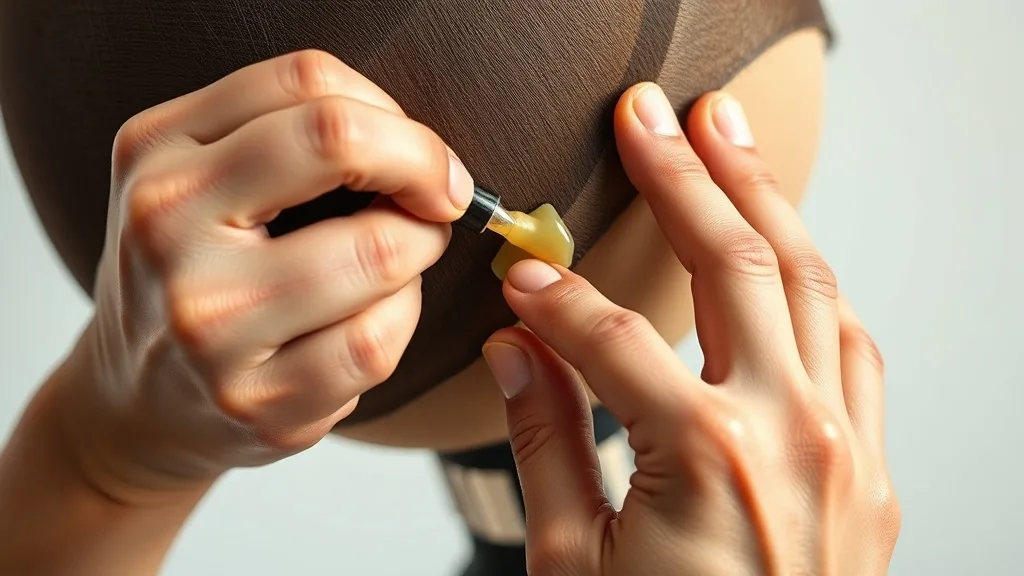
- Use a humidity-resistant styling product. Look for alcohol-free pomades or waxes that create a barrier. A touch of beeswax-based product works wonders on human hair wigs.
- Powder your wig! Not with flour (though that works in a pinch), but with a modern dry shampoo or a light dusting of talc. This absorbs moisture and reduces shine.
- Invest in a wig cap with moisture-wicking properties. Cotton or bamboo caps help keep sweat away from the wig's base.
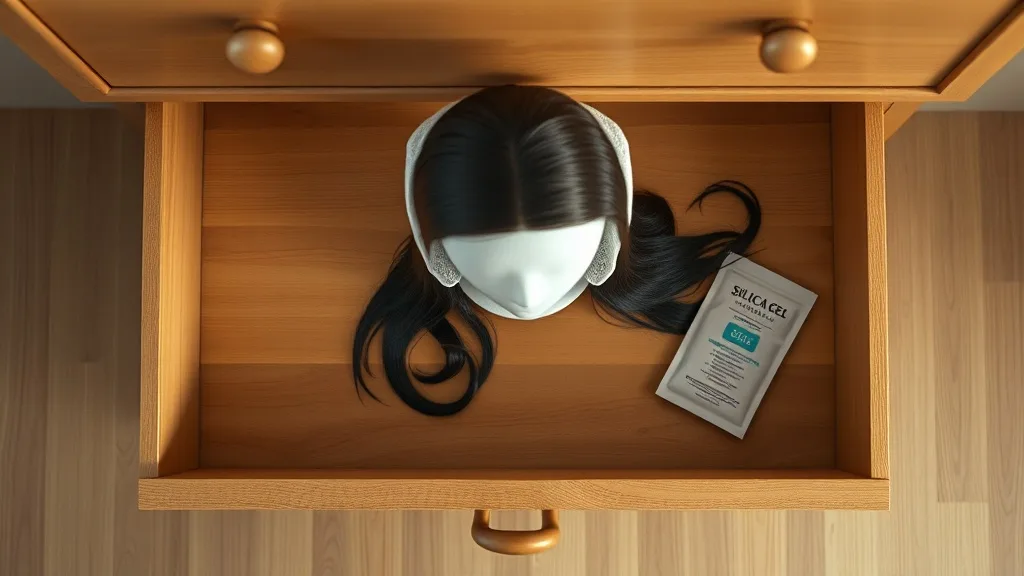
- When not wearing your wig, store it in a dry place with a dehumidifier pack. Never leave it in a steamy bathroom.
- If your wig does get frizzy, don't panic. Use a small amount of leave-in conditioner (silicone-free) and comb gently. For synthetics, a fabric softener dip can restore softness.
Conclusion: Embrace the Old Ways
In the end, the truth about wig styling in humid weather is simple: you must be prepared. Modern wigs are convenient, but they lack the resilience of their 18th-century predecessors. By incorporating a few old-fashioned techniques—and a healthy dose of skepticism toward modern shortcuts—you can keep your wig looking splendid even on the muggiest day. So, the next time the humidity rises, remember the wisdom of the powdered wig era. Your wig will thank you.