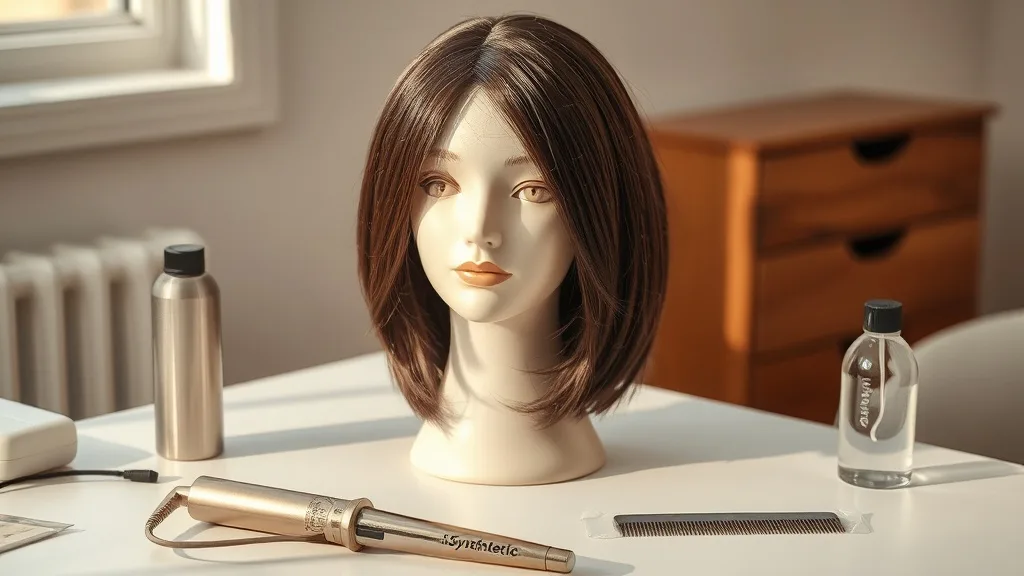
I once put a wig on my cat, Mr. Whiskers, to test its 'pounce-ability' (don't worry, he wore it for exactly 3 seconds and plotted revenge). That experiment taught me two things: cats are not models, and wig durability is no joke. As a professional wig tester and enthusiast, I've seen too many beautiful wigs ruined by improper styling. Whether you're a synthetic lover or a human hair devotee, understanding your wig's hair type is the first step to styling success.
Synthetic vs. Human Hair: The Basics
Synthetic wigs are made from fibers like acrylic, polyester, or a blend. They come pre-styled and hold their shape through humidity and light activity. Human hair wigs, on the other hand, are just that—real human hair, often from donors. They offer the most versatility but require more maintenance.
Heat Styling: Proceed with Caution
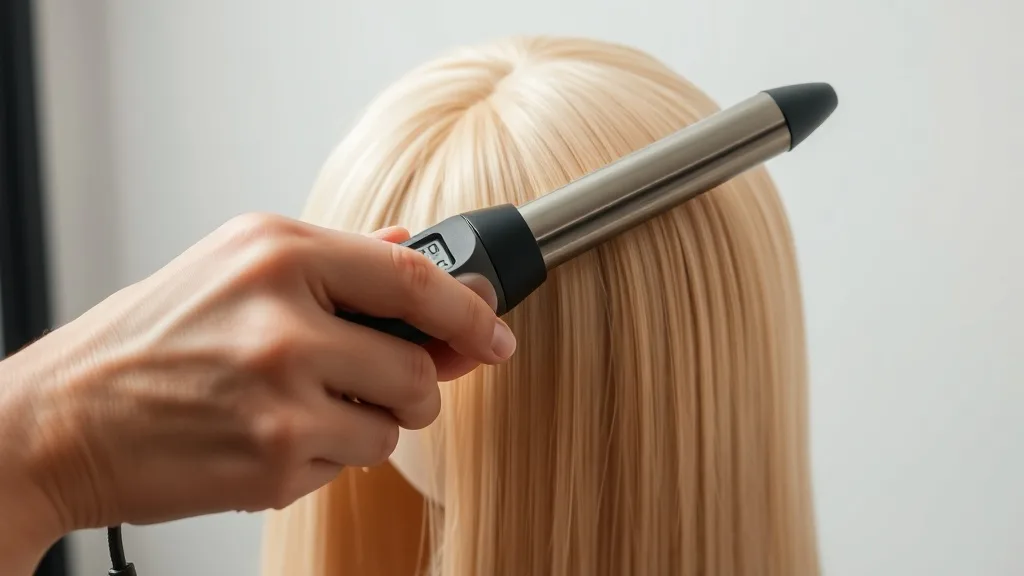
This is where many wig wearers go wrong. Synthetic fibers melt or frizz at high temperatures. Only use heat-safe synthetics (labeled as 'heat-friendly') and keep the tool below 300°F (150°C). For human hair wigs, you can use regular hot tools, but always use a heat protectant. And never, ever grab a curling iron without checking the label first—I learned that the hard way with a very crispy bob.
- Synthetic: Use only low heat (280-300°F) on heat-safe fibers.
- Human Hair: Standard heat up to 400°F is okay, but protect with serum.
- Always test a small, hidden strand first.
Coloring: A Different Ballgame
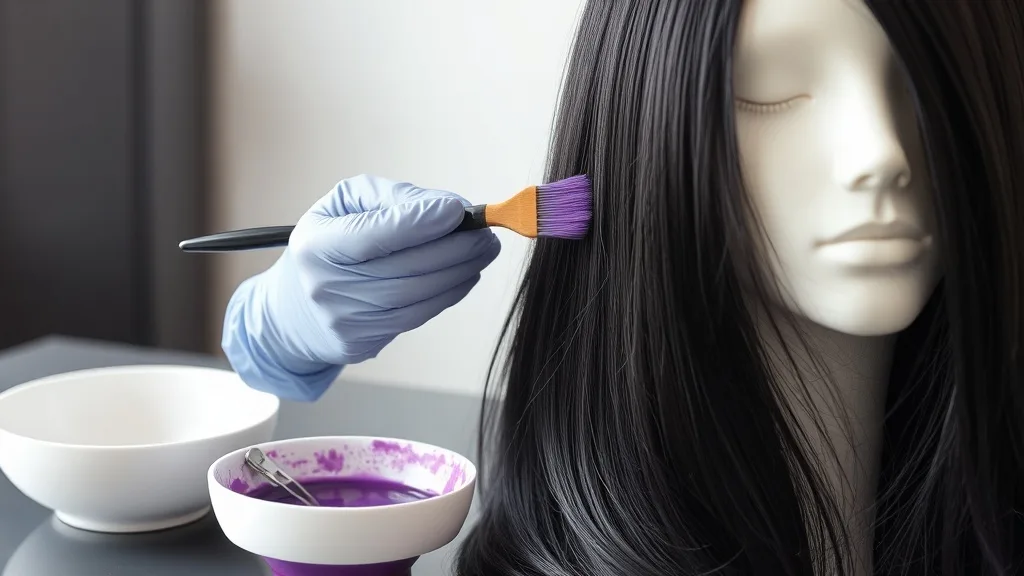
Coloring a synthetic wig is risky. Most synthetics cannot be dyed with regular hair color; you need special fabric dye or a synthetic-safe dye, and results are unpredictable. Human hair wigs can be colored just like natural hair, but because they're no longer attached to a scalp, they process faster. Use semi-permanent or demi-permanent color for best results, and always condition afterward.
- Synthetic: Use synthetic-safe dyes like RIT DyeMore or opt for pre-colored wigs.
- Human Hair: Semi-permanent color is gentler than permanent.
- Lightening (bleaching) human hair wigs is possible but requires professional care.
Washing and Care: The Foundation of Styling
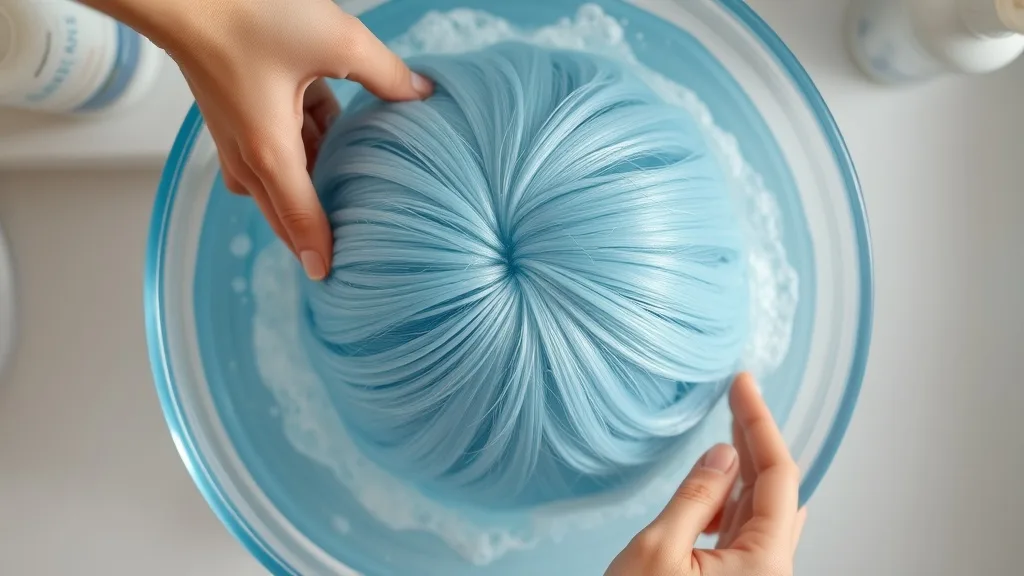
Before styling, your wig needs to be clean. Synthetics should be washed with cold water and wig shampoo, then air-dried. Human hair wigs can use sulfate-free shampoo and conditioner. Never brush a wet synthetic wig—it can cause frizz. For human hair, use a wide-tooth comb while damp.
Styling Products: What to Use and Avoid
Think of styling products as the secret sauce. For synthetics, stick to water-based mousses and light sprays. Avoid oil-based serums that can break down fibers. Human hair wigs love lightweight oils and argan oil-based products, but heavy gels can leave residue.
- Synthetic: Water-based products only—no alcohol or oil.
- Human Hair: Use products formulated for color-treated hair.
- Both: Avoid products with heavy perfume (they attract dust).
The Final Truth: Know Your Wig, Love Your Wig
Styling a wig isn't rocket science, but it does require a little wig-savvy. Whether you're going for sleek and straight or voluminous curls, respect the fiber. And if you ever feel tempted to test a wig on your cat, remember: Mr. Whiskers gave it a 1 out of 10. Stick to mannequins and proper care, and your wig will thank you with lasting beauty.