Whether you're prepping for a convention or just want to switch up your look, heat styling a wig can feel like walking through a minefield. I've seen wigs go from flawless to fried in seconds – trust me, I've been that cosplayer crying over a melted Sailor Moon wig backstage. But here's the truth: heat damage isn't inevitable. With the right know-how, you can curl, straighten, and even wave your wig without turning it into a disaster.
Know Your Fiber: Synthetic vs. Human Hair
The first rule of wig styling is knowing what you're working with. Synthetic wigs are made from plastic fibers like Kanekalon or Toyokalon, and they react to heat very differently than human hair. Many synthetics are pre-styled and can't handle high temperatures – they'll melt, frizz, or lose their shape. Human hair wigs, on the other hand, act just like your natural hair (because it is), but they still need heat protection. Always check the labeling: if it says 'heat-friendly' or 'heat-resistant,' you're good to go. If not, consider that a warning sign.
Heat Tolerance Levels: What's Safe?
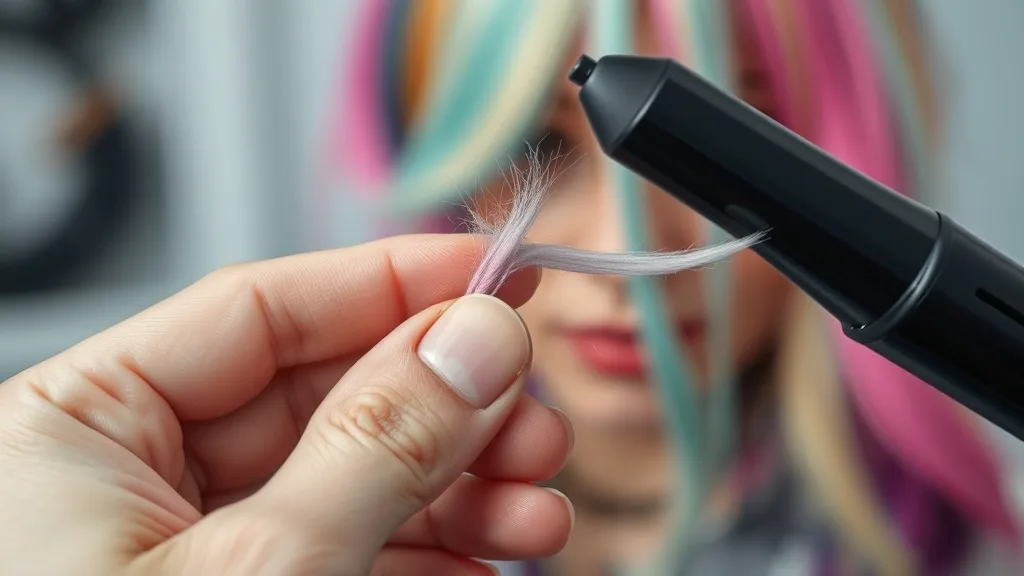
Not all heat is created equal. For synthetic heat-friendly wigs, the sweet spot is usually between 250°F and 300°F (120°C to 150°C). Exceed that, and you're in the danger zone. Human hair can handle up to 400°F (200°C) with proper protectant, but lower is always better. I always recommend starting at the lowest setting and testing a small strand first. Remember: you can always add more heat, but you can't un-melt plastic.
Common Mistakes That Lead to Heat Damage
- Using high heat without testing on a hidden strand.
- Holding the curling iron or straightener in one spot for too long.
- Styling a wet or damp wig (especially synthetic – the water turns to steam and causes bubbles).
- Skipping heat protectant spray even on human hair wigs.
- Applying heat to tangled fibers – always brush first.
How to Heat Style a Wig Safely
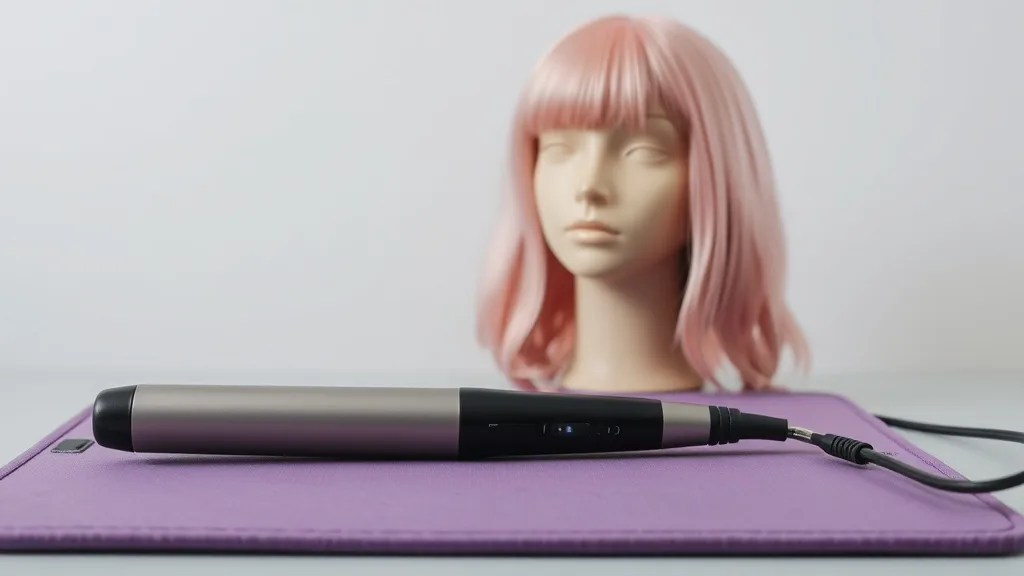
Start with a detangled, clean, and completely dry wig. Set your tool to the recommended temperature for your fiber type. Use a heat protectant spray formulated for wigs (or for human hair if it's a real hair wig). Work in small sections, moving the tool quickly and consistently. For curls, let them cool completely before brushing or adjusting. For extra protection, wrap the wig in a silk scarf overnight to set the style without additional heat.
Alternatives to Heat: Because Sometimes You Just Don't Want to Risk It
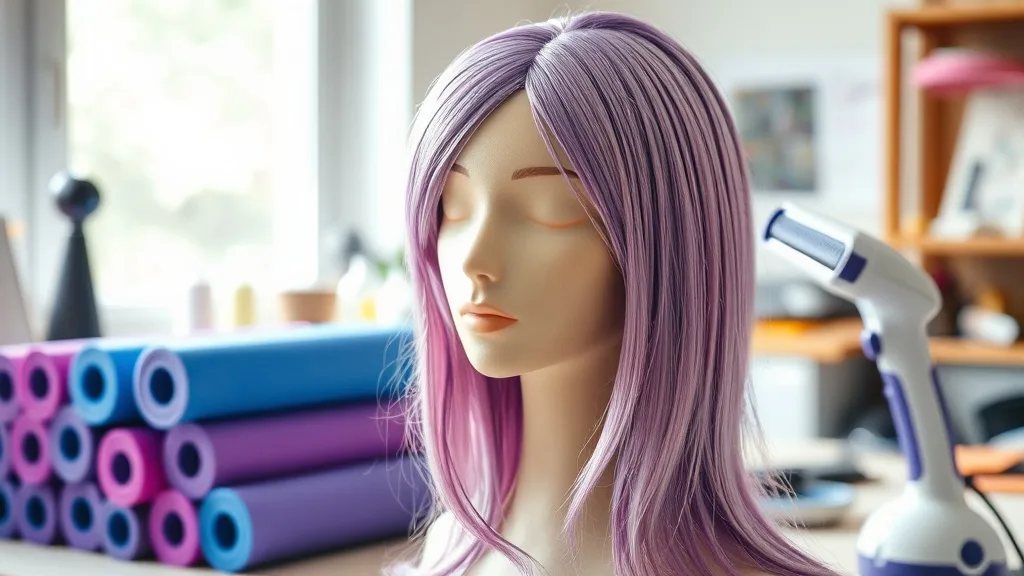
Heat isn't the only way to style. For synthetic wigs, you can use steam (from a garment steamer) to reset fibers without burning. Rollers or foam curlers set with hot water can create curls that last. Human hair wigs can be styled with no-heat methods like braiding damp hair for waves. And if you need a quick change, detachable clip-in bangs or colored wefts can transform your look without any heat at all.
Conclusion: Love Your Wig, Know Its Limits
Heat damage doesn't have to be your wig's villain origin story. With a little knowledge and patience, you can style safely and keep your wigs looking convention-ready for years. Remember: when in doubt, test first, start low, and always protect. Now go forth and slay – without the singe.