Introduction
We've all been there: you buy a synthetic wig in a color that looked perfect online, but in person it's just not right. Or maybe you want to refresh an old wig with a lighter shade. A quick search online suggests using a color remover. But before you pour that bottle over your synthetic locks, let me—Carlos Rivera, obsessive wig collector and storage specialist—stop you. The truth is, most color removers are a recipe for disaster on synthetic fibers. In this article, I'll explain why, what the risks are, and what actually works.
Understanding Synthetic Wig Fibers
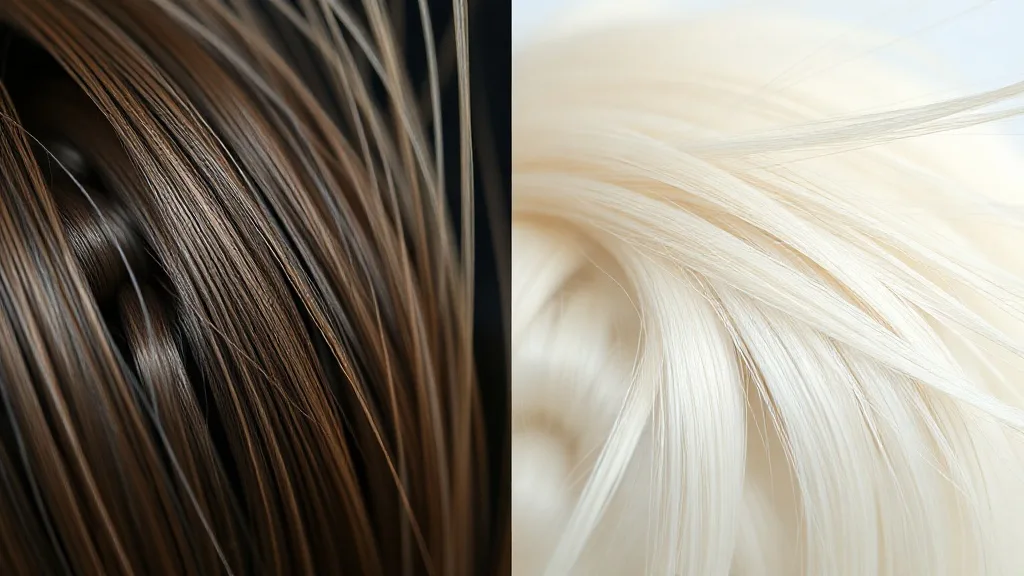
To understand why color removers fail, you need to know what synthetic wigs are made of. Most are made from plastic-based fibers like Kanekalon, Toyokalon, or modacrylic. These fibers are essentially extruded plastic filaments. Unlike human hair, which has a porous cuticle layer that can absorb and release pigments, synthetic fibers are solid and non-porous. The color is not just on the surface—it's mixed into the plastic during manufacturing. This means you can't simply 'strip' the color out; you'd have to dissolve the fiber itself.
How Color Removers Work (and Why They Fail on Synthetics)
Color removers designed for human hair use reducing agents (like sodium hydrosulfite) to break down artificial pigment molecules, which then wash out. But these chemicals rely on the hair's cuticles being open to penetrate. Synthetic fibers have no cuticles. The chemicals sit on the surface and may partially react, but they often cause irreversible damage. Instead of removing color, they can melt or fuse the fibers, leaving your wig a tangled, frizzy mess. I've tested this on my own collection—trust me, it's not pretty.
The Risks of Using Color Removers on Synthetic Wigs
- Fibers melting or fusing together, creating a stiff, unnatural texture.
- Frizzling and loss of the original style (curls, waves go flat).
- Unpredictable color changes—often patchy or an orangey mess.
- Weakening the fiber structure, causing breakage and shedding.
- Voiding any warranty from the wig manufacturer.
What Actually Works to Lighten Synthetic Wigs?
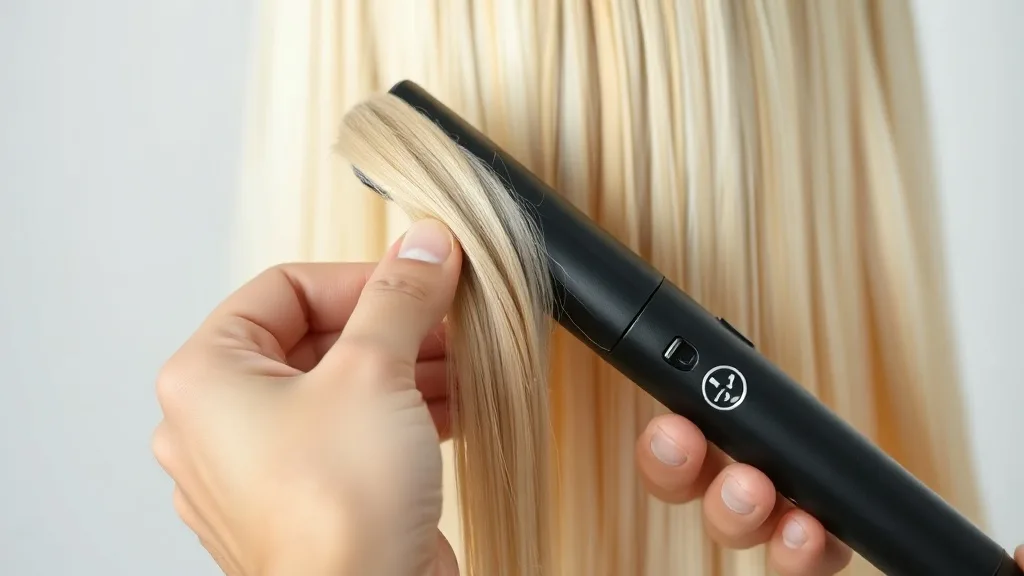
The only effective method for lightening synthetic wigs—and I emphasize ONLY for heat-friendly (heat-resistant) synthetics—is careful application of heat. Using a flat iron on a low setting (around 350°F or lower, test first) can gradually lighten the color by 'burning' off some pigment. This works because heat-friendly fibers can withstand certain temperatures without melting. However, this is a risky process: you have to work in small sections, use no steam, and be prepared for uneven results. And the smell? It's like burning plastic—work in a ventilated area.
Safer Alternatives to Color Removers
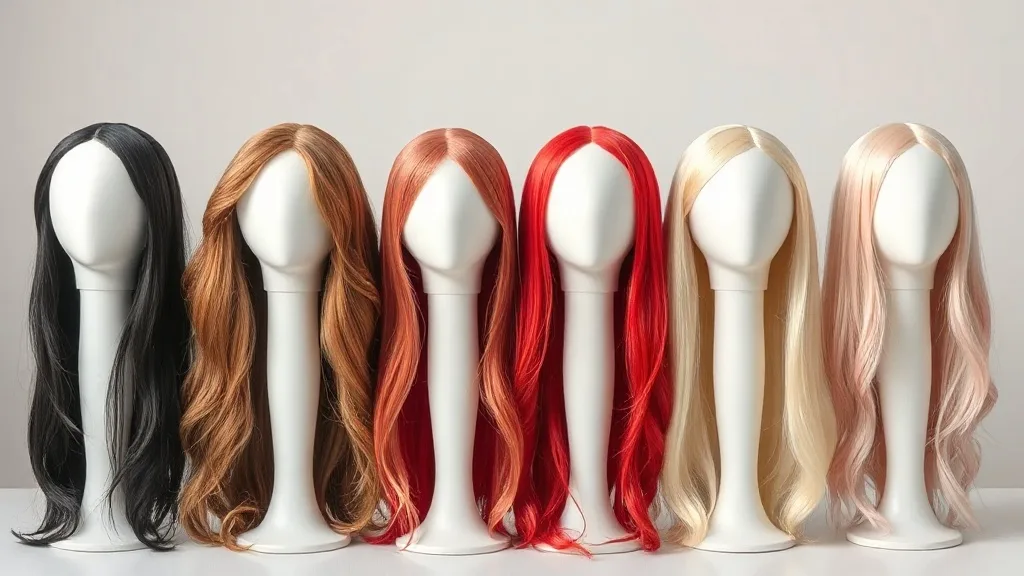
If you're not ready to gamble with heat, consider these alternatives: First, buy a new wig in the desired color—it's the safest and most reliable option. Second, use temporary color products like wig-friendly hair chalks, sprays, or gels. These sit on the surface and can be washed out. For darker colors, you can use specialized synthetic fiber dyes like RIT DyeMore for synthetics (but this only works for darkening, not lightening). Dip-dyeing with alcohol inks is another option for creative effects.
Step-by-Step Guide to Color Removal (for Heat-Friendly Wigs Only)
If you're determined to lighten a heat-friendly wig, here's my meticulous process: Start by washing the wig to remove any product. Let it dry completely. Set your flat iron to the lowest heat setting (start at 300°F). Take a small strand from the underside (hidden area) and clamp the iron for 5 seconds. Check the color change and fiber condition. If it's fine, proceed. Work in 1-inch sections, gently clamping and releasing. Do not slide the iron like you would on hair—this can cause friction damage. Brush the section gently when cool. Expect the color to shift only a few shades lighter, not dramatically.
When to Call It Quits and Shop for a New Wig
As much as I love tinkering with my collection, I've learned that some battles aren't worth fighting. If your wig is not heat-friendly, or if you've already damaged it with a color remover, it's time to let go. There are thousands of beautiful wigs out there in every shade imaginable. Sometimes the best 'color removal' is donating the old wig and treating yourself to a new one. My own collection has grown precisely because I know when to say when.
Conclusion
Color removers are a risky gamble for synthetic wigs. The fibers are fundamentally different from human hair, and the chemicals can cause irreparable harm. Your best bet is to accept the limitations of synthetic materials and use methods designed specifically for them—like careful heat application for heat-friendly wigs, or temporary colorants for safe experimentation. And when in doubt, buy a new wig. Your collection will thank you.