The Allure of 'No-Heat' Styling
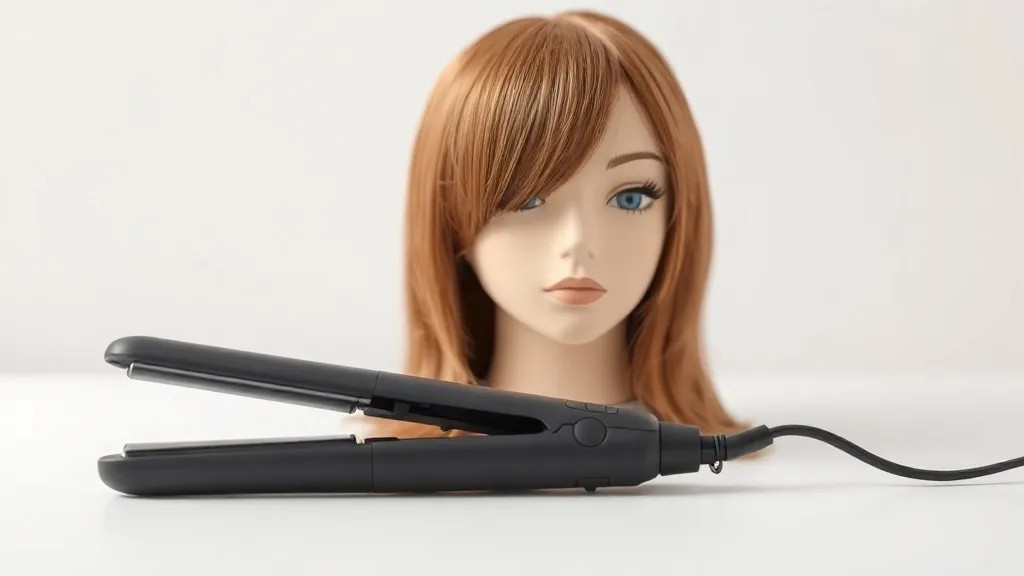
If you've spent any time in wig communities, you've heard the mantra: 'Never use heat on your wig!' It's repeated like a sacred rule. But like many wig myths, this one deserves a closer look. The fear is understandable—one wrong move with a curling iron and you've got melted synthetic fibers or singed human hair. But here's the truth: avoiding heat entirely can limit your styling options and actually lead to more damage in the long run.
Why Heat is Sometimes Necessary
Wigs, whether synthetic or human hair, are not static. They can lose their shape after washing, become frizzy in humidity, or simply need a refresh. Heat allows you to reset the fibers: synthetic wigs can be restyled within their heat threshold (typically up to 350°F for heat-friendly synthetics), and human hair wigs can be curled, straightened, or blown out just like your natural hair. Without heat, you're stuck with the wig's factory style or limited to temporary methods like braiding or rollers, which often don't last.
The Myth: Heat Always Damages Wigs
This myth probably started with cheap, non-heat-resistant synthetic wigs from the 90s. Touch those with a curling iron and you'd get a melted disaster. But today, many wigs are labeled 'heat-friendly' and can withstand moderate temperatures. Even with human hair, the key is using proper technique: low heat, heat protectant, and not holding the tool in one spot too long. Damage happens from excessive heat or improper use, not heat itself.
Safe Heat Styling Techniques
- Always check the wig's heat tolerance: synthetic wigs often have a max temp (look for 'heat-friendly' labels), human hair can handle standard hot tools but use lower settings.
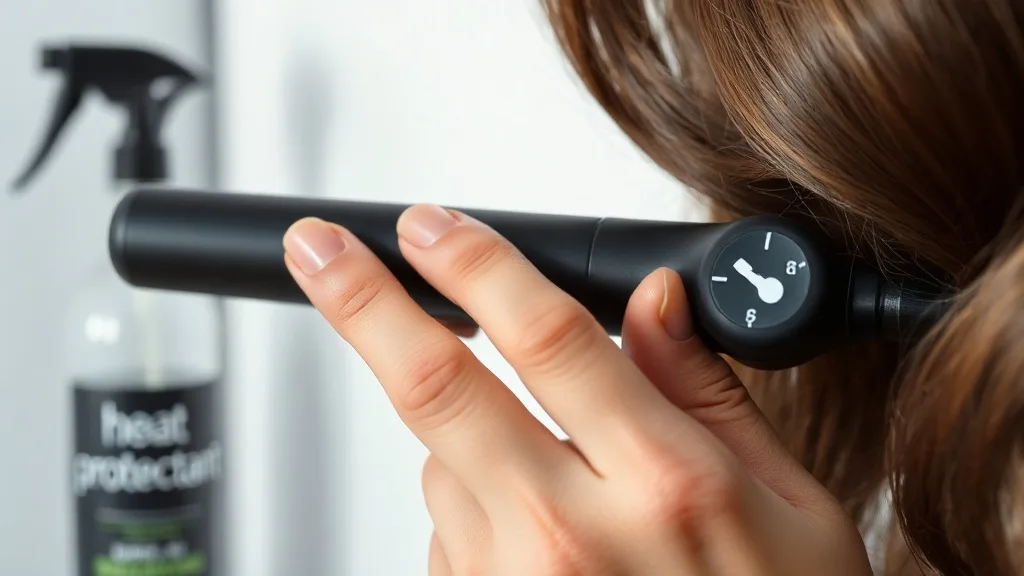
- Apply a heat protectant spray designed for wigs or fine hair before any heat styling.
- Use tools with adjustable temperature settings and start low (250-300°F for human hair, 200-280°F for synthetics).
- Work in small sections and avoid clamping too tightly or holding the iron too long.
- Consider steam styling: a handheld steamer can gently reshape synthetic fibers without direct heat contact.
When No-Heat Methods Work (and Don't)
No-heat methods like flexi rods, foam rollers, and braiding are excellent for adding volume or soft waves overnight—especially for heat-friendly wigs when you want to avoid a styled look. But they fall short when you need a sleek straight style, defined curls, or to tame frizz. For those, a careful application of heat is the only way to get that polished finish.
My Personal Obsession: Heat vs. Storage
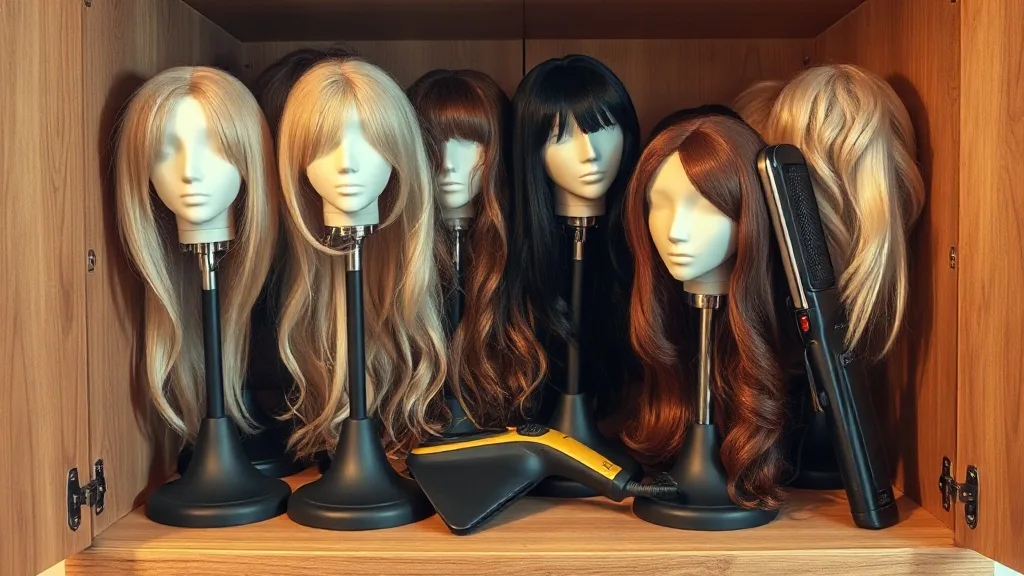
As someone who treats my wig collection like museum pieces, I've learned that proper styling before storage is crucial. A wig that's left in a tangled or frizzy state will only get worse. I always give my wigs a gentle heat refresh (if needed) before putting them on a stand or in a storage bag. This keeps the fibers aligned and prevents matting. Yes, I'm a bit obsessive, but my wigs last for years.
Conclusion: Embrace the Heat (Safely)
The no-heat myth is well-intentioned but outdated. With modern wig materials and proper technique, heat is not only safe but essential for achieving a natural, long-lasting style. So next time you hear 'never use heat,' remember: it's not about avoiding heat—it's about using it wisely. Your wig will thank you.