
Why Sponge Application Is a Wise Investment
Professional wig coloring services can cost anywhere from $75 to $200, depending on length, density, and color complexity. With a quality wig costing $200–$600, those color fees add up fast. But there is a smarter way: the sponge application method. This technique uses a simple makeup sponge to apply color, offering precise control, even saturation, and minimal waste—maximizing every drop of dye and your hard-earned money.
What You’ll Need (And What It Really Costs)
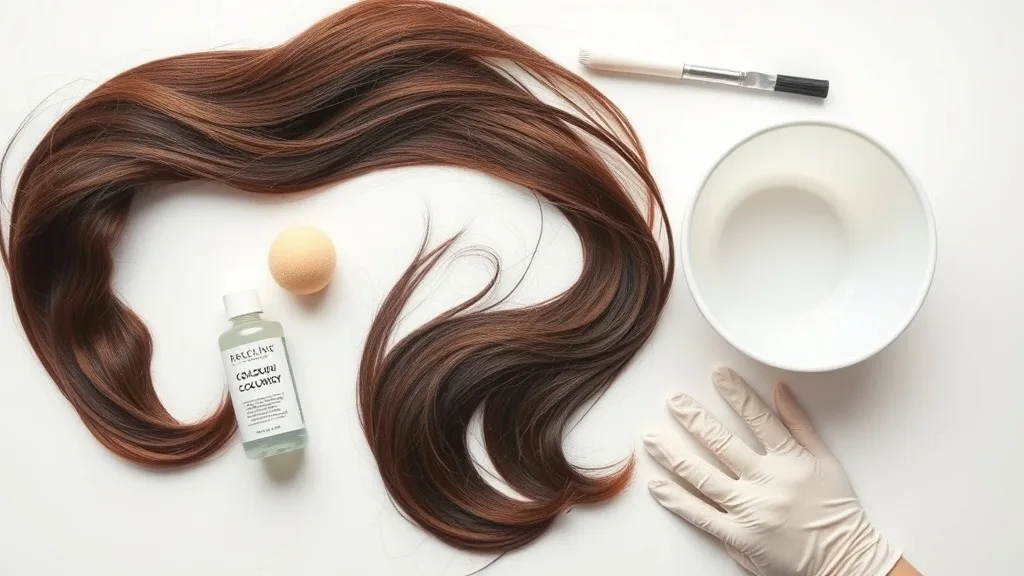
Before you begin, gather these tools. I’ve estimated prices based on typical retail—most items are reusable, so the per-use cost is negligible.
- Wig brush or wide-tooth comb ($5–$10)
- Semi-permanent or demi-permanent hair color ($8–$15 per bottle)
- Makeup sponge (the triangle ones, pack of 10 for $3)
- Plastic mixing bowl and applicator bottle ($2 each)
- Disposable gloves ($2 per box)
- Old towel or cape ($5–$10)
- Styrofoam wig head and T-pins ($15–$25)
Total upfront investment: roughly $50–$75, and that’s enough for multiple color sessions. Compare that to a single salon visit, and the savings are clear.
Step-by-Step Sponge Application Technique
Prep the Wig for Maximum Absorbency
Start by brushing the wig thoroughly to remove tangles and shed hairs. Gently wash with a sulfate-free shampoo (skip conditioner) to open the cuticles. Towel-dry until damp—not wet. Secure the wig on your foam head with T-pins along the hairline and crown. This keeps the fibers steady and prevents uneven color.
Mix Your Color Like a Pro
Follow the dye manufacturer’s instructions. For sponge application, you want a slightly thicker consistency so it doesn’t drip. If the dye seems runny, add a drop of conditioner or a few extra squirts of developer. Mix only enough for one session—color can’t be stored. A typical wig needs 1–2 ounces.
Dip and Dab: The Sponge Technique
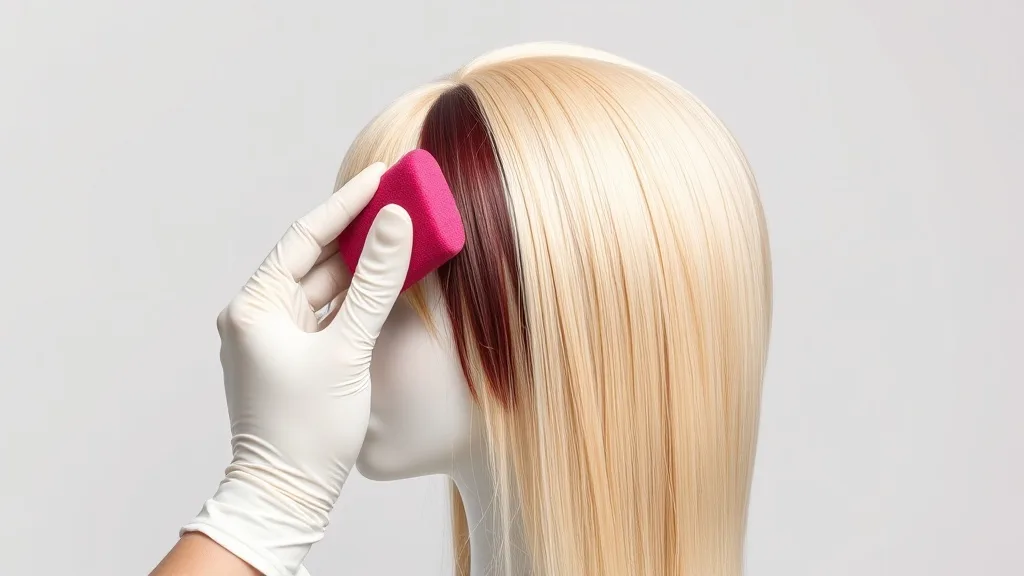
Dip the corner of a dry sponge into the color. Blot off excess on a paper towel. Then, using a gentle dabbing motion, press the sponge into a small section of hair (about 1×1 inch). Work section by section, moving from the nape upward. The sponge’s porous texture ensures color seeps into the fibers without saturating the cap. If you hit the cap, blot immediately.
This method is ideal for root touch-ups, ombré, or full color. For a natural look, feather the color at the edges by lightening your pressure.
Let It Develop
Once all hair is coated, loosely wrap the wig in plastic wrap or a shower cap. Let it process according to dye instructions—typically 20–40 minutes for semi-permanent, 30–45 for demi. Check a hidden strand after 15 minutes. Note that synthetic fibers process faster than human hair.
Rinse and Condition to Preserve Color and Value
Rinse the wig with cool water until it runs clear. Do not rub or wring; let water flow through the fibers. Apply a color-safe conditioner or a deep treatment, allow to sit for 5 minutes, then rinse again. Gently squeeze out excess water with a microfiber towel and reshape on the wig head to air-dry completely. This step extends the life of both the color and the wig fibers.
Cost-Benefit Analysis: Why Sponge Application Wins
Let’s run the numbers. One salon visit: $100. Three visits a year: $300. With the sponge method, you spend $75 once on supplies, then $15 per color session (dye and a new sponge). Over a year, that’s $75 + $45 = $120 for three sessions—a savings of $180. And the skills you learn? Priceless. You gain control over when, how, and what color you apply.
Tips to Maximize Your Investment
- Reuse sponges: wash with warm soapy water between uses, but replace every 3–4 applications.
- Buy dye in bulk: larger bottles cost less per ounce and can be used for multiple wigs.
- Test on a hidden weft first to avoid surprises that require expensive corrective color.
- Use color deposit conditioners or tints between full dyes to refresh color without a full process.
The Bottom Line
Coloring a wig with a sponge isn’t just a technique—it’s a financial strategy. By mastering this method, you turn a recurring expense into a one-time skill investment. Whether you’re a first-timer or a seasoned wig wearer, the sponge application pays dividends in both money and flexibility. For the cost of a single salon appointment, you can color your wig for an entire year. Now that’s value.