

Why the Soak Method?
If you're here, you want a perfect, uniform color on your wig. The soak method is the only way to achieve that without streaking or patchiness. I've colored hundreds of wigs for celebrities who demand flawless results, and this is the technique I trust. Listen carefully, follow every step, and you'll get professional results.
What You'll Need
- Wig (synthetic or human hair – note: synthetic requires special dye)
- Fabric or wig dye (for synthetic: iDye Poly or Rit Dyemore Synthetic)
- Large stainless steel or glass bowl
- Hot water (almost boiling for synthetic; warm for human hair)
- White vinegar (optional, helps set color)
- Rubber gloves
- Old towels
- Wig stand or mannequin head
Step 1: Prepare the Wig
First, brush the wig thoroughly to remove tangles. If it's dirty, wash it with a gentle shampoo and let it dry completely. Never dye a wet wig – it will dilute the color. Place the wig on a stand or mannequin head to keep it stable.
Step 2: Mix the Dye Bath
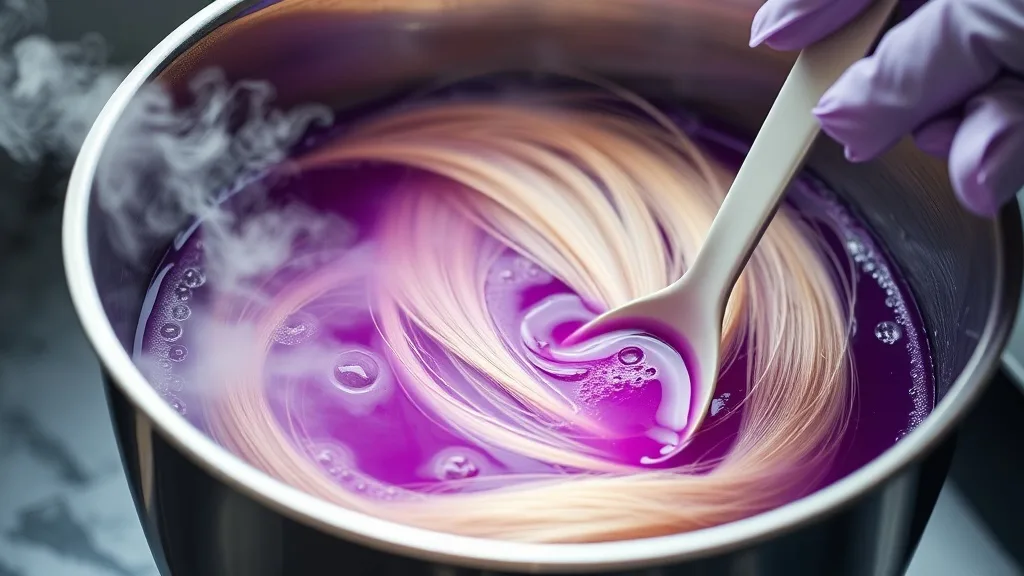
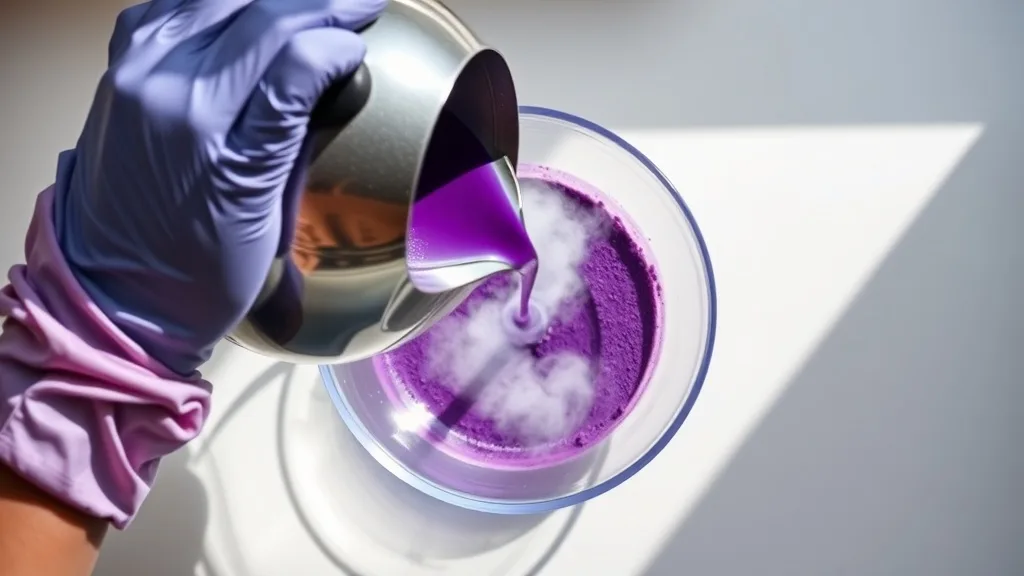
Fill your bowl with enough hot water to fully submerge the wig. For synthetic wigs, the water must be nearly boiling (around 200°F). Add the dye according to package instructions – usually 1 bottle per wig. Stir well. For a deeper shade, add a tablespoon of white vinegar.
Step 3: Submerge and Soak
Gently lower the wig into the dye bath, making sure every strand is fully immersed. Use a spoon or tongs to push it down. Let it soak for 30-45 minutes. Stir occasionally to ensure even coverage. Do not rush – patience prevents patchiness.
Step 4: Rinse and Dry
Once the time is up, remove the wig and rinse under cool running water until the water runs clear. Gently squeeze out excess water – do not wring. Pat with a towel, then place on a wig stand to air dry away from direct sunlight. Never use a hair dryer; heat can distort the fibers.
Common Mistakes to Avoid
- Using regular hair dye on synthetic wigs (it won't stick)
- Skipping the test strand – always test a small hidden piece first
- Overcrowding the bowl – color one wig at a time
- Rinsing with hot water – it can open cuticles and cause color bleed
Final Thoughts
Coloring a wig isn't rocket science, but it requires precision. Don't cut corners. If you follow my method exactly, you'll have a gorgeous, even color that lasts. And if you mess up? Come see me at Wigplace – I'll fix it. But I'd rather you get it right the first time.