
Why Dye at Home?
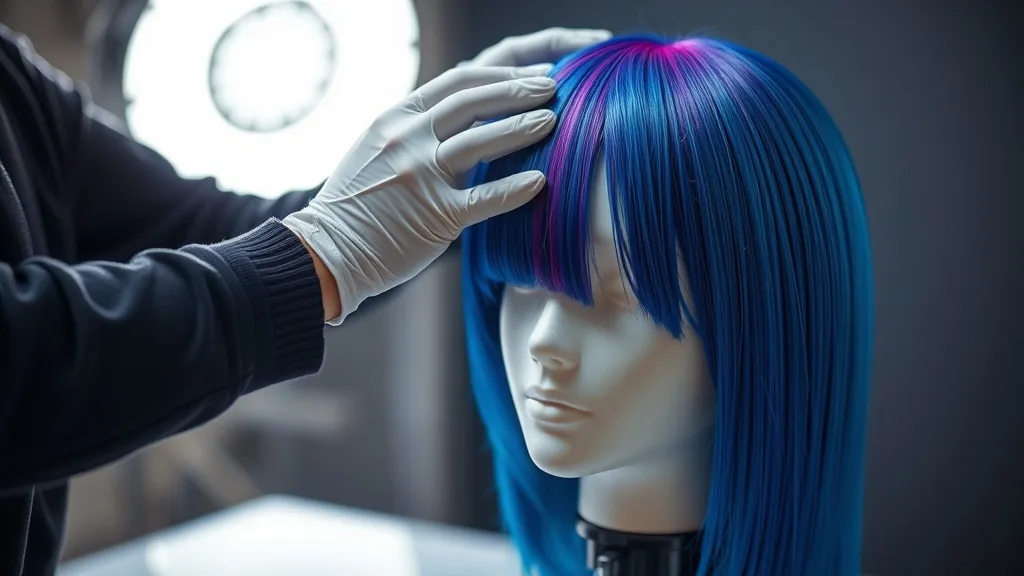
Dyeing your wig at home saves money and gives you complete control over the shade and tone. Plus, it's a fun way to express your personal style — whether you want to refresh a faded color or go for a bold new look. And remember, wigs come in all sizes and textures, so these tips work for everyone.
What You'll Need
- A wig stand or mannequin head
- Gloves (nitrile or latex)
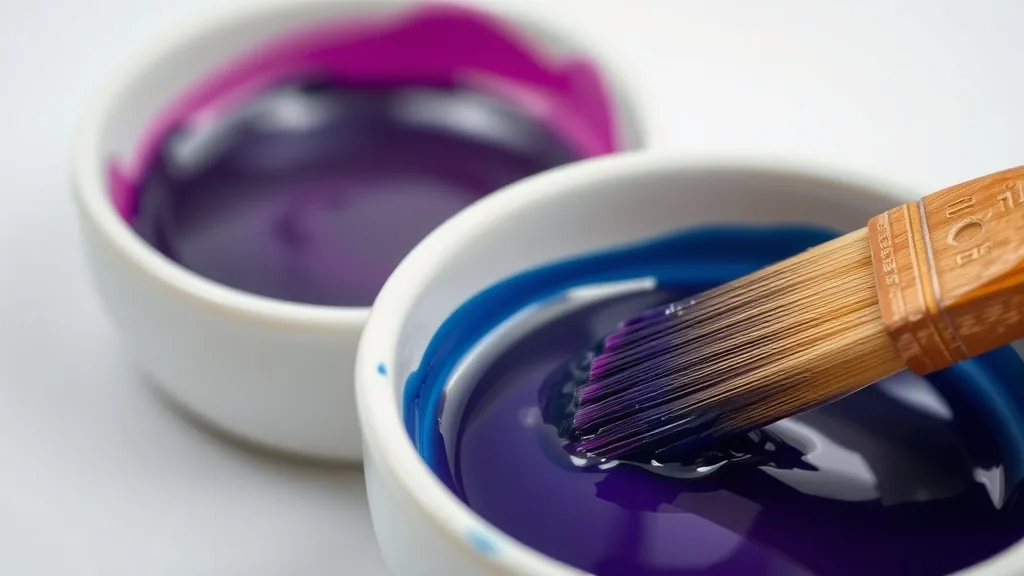
- Mixing bowl and applicator brush
- Color-safe shampoo and conditioner
- Plastic wrap or shower cap
- Timer
- Old towel
Prepping Your Wig
Before you start, determine if your wig is synthetic or human hair. Synthetic wigs require special dyes made for synthetic fibers — never use regular hair dye on synthetic, as it can melt the fibers. For human hair wigs, you can use semi-permanent or permanent dye, but always do a strand test first to see how the color takes. Also, make sure your wig is clean and dry before dyeing.
Choosing the Right Dye
For synthetic wigs, opt for fabric dye or specially formulated synthetic wig dye. For human hair, semi-permanent dye is gentler and fades gradually, while permanent dye offers longer-lasting results. Avoid bleach or heavy lifters at home — leave those to professionals to prevent damage.
Step-by-Step Dyeing Process
1. Place the wig on a stand and brush it gently. 2. Mix the dye according to package instructions. 3. Section the hair and apply dye from roots to ends, using a brush. 4. Cover with plastic wrap and let it sit for the recommended time. 5. Rinse with cool water until the water runs clear. 6. Shampoo and condition with color-safe products. 7. Allow to air dry completely.
Aftercare for Color-Treated Wigs
Use sulfate-free shampoo and conditioner to preserve color. Avoid excessive heat styling and always use a heat protectant. Store your wig away from direct sunlight to prevent fading. With proper care, your color can last for weeks.
Common Mistakes to Avoid
- Skipping the strand test — it's essential for predicting results.
- Over-processing — stick to the recommended time.
- Using regular dye on synthetic hair — this can ruin the wig.
- Dyeing a wet wig — always dye on dry hair for even coverage.
Expert Tips from Sharon
As a designer who creates wigs for all head sizes, I know that the fit is just as important as the color. When dyeing, be gentle with the cap — rough handling can loosen the wefts. And don't be afraid to experiment! Your wig is an extension of your unique style. Embrace the process and have fun with it.