
Heat styling is the fastest way to transform a wig. It can smooth a synthetic fiber, add bounce to human hair, or refresh a tired style in minutes. But it’s also the quickest way to wreck it. As someone who obsesses over wig breathability, I’ve learned that heat damage isn’t just about crispy ends—it’s about how trapped heat and heavy products make your scalp sweat, shift your lace, and turn a comfortable wig into a sauna. The good news: with the right heat protectant and a temperature setting that matches your wig’s fiber, you can style safely and keep things airy.
Why Heat Protection Matters for Wigs (and Your Scalp)
Wig fibers—whether human hair or synthetic—are not attached to a living follicle. They can’t repair themselves. Human hair is made of keratin, and heat breaks the hydrogen bonds that hold its shape. That’s how you get curls or straightness. But too much heat denatures the protein, strips moisture, and leaves the cuticle rough and brittle. Synthetic fibers are plastics; they soften and melt at much lower temperatures. Once melted, they fuse into a frizzy, shiny mess that cannot be reversed.
But there’s a breathability angle too. High heat doesn’t just damage the fiber—it radiates down to your scalp. Sweat builds under the cap, adhesives weaken, and the wig starts to feel heavy and clammy. A lightweight heat protectant that doesn’t clog the cap is your first line of defense. The goal is to protect the fiber without sealing off airflow.
- Human hair: can lose moisture, become brittle, and lose curl pattern.
- Synthetic: can melt, frizz permanently, or develop a shiny, plastic texture.
- Scalp: trapped heat and sweat can lead to irritation, odor, and adhesive failure.
- Cap: heavy protectants can seep into lace and block the airflow your scalp needs.
Know Your Fiber: Human Hair vs. Synthetic Heat Limits
Before you plug in, identify your wig’s fiber. This is non-negotiable. Human hair is forgiving but not invincible; synthetic is less forgiving and often irreversible. If you bought a wig without checking the label, assume it’s standard synthetic until proven otherwise.
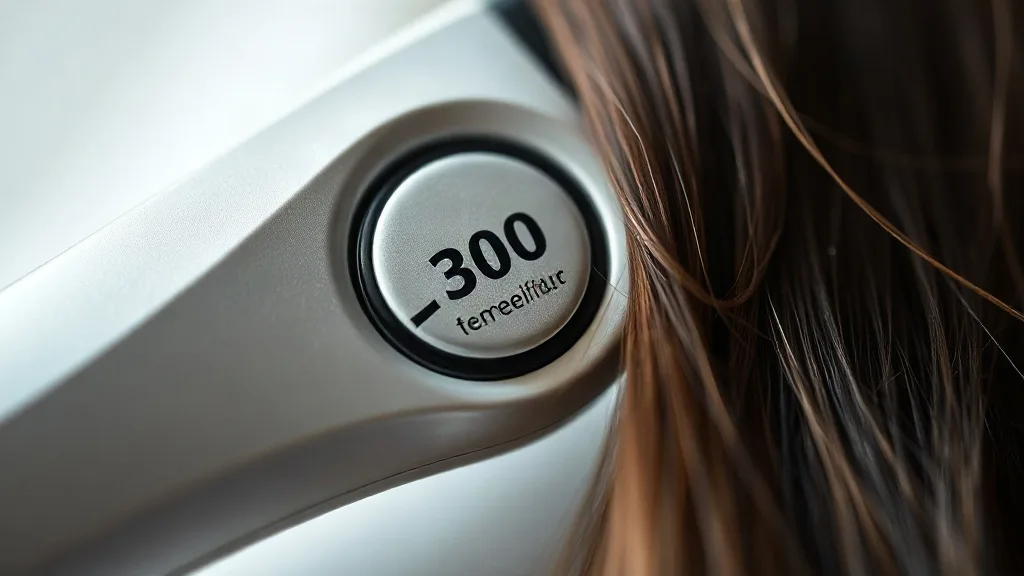
For human hair wigs, most manufacturers recommend staying between 300°F and 350°F. I prefer 300°F or lower, using multiple passes. For heat-friendly synthetic (often labeled 'heat resistant' or 'heat friendly'), keep it between 250°F and 300°F. Standard synthetic? Treat it as no-heat unless the label explicitly says otherwise—even then, 200°F is the absolute ceiling.
- Human hair (virgin, Remy): 300–350°F max; start at 250–300°F.
- Heat-friendly synthetic: 250–300°F; never exceed 300°F.
- Standard synthetic: no heat, or 200°F max with extreme caution.
- Blends: treat as synthetic; human hair content doesn’t guarantee heat safety.
Why lower is better: heat damage is cumulative. A single pass at 350°F can do more harm than three passes at 280°F. And lower heat means less sweat under the cap—better for breathability.
The Best Heat Protectants for Wigs: What to Look For
Heat protectants work by creating a barrier that distributes heat and slows moisture loss. But not all formulas are wig-safe. Many drugstore sprays contain alcohol, which dries out human hair and can dull synthetic fibers. Heavy oils and butters can weigh down the wig and clog lace, trapping heat and sweat.
For wigs, I look for lightweight, water-based sprays with heat-activated polymers (like VP/VA copolymer or polyquaternium-11), hydrolyzed silk or wheat protein, and silicone derivatives (dimethicone, cyclomethicone) in small amounts. These smooth the cuticle without suffocating it. If your wig is synthetic, choose an alcohol-free formula specifically labeled for synthetic hair.
- Alcohol-free: essential for synthetic; better for human hair too.
- Water-based: light, breathable, won’t clog lace.
- Heat-activated polymers: provide a protective shield.
- Silicones: add slip and shine but use sparingly to avoid buildup.
- UV protection: helps prevent color fade.
- Anti-humidity: reduces frizz without heavy oils.
Top Heat Protectant Types (and How to Use Them)
There’s no single best heat protectant; the best one depends on your wig fiber, styling method, and how breathable you want your cap to feel. Here are the formats I recommend, with notes on breathability.
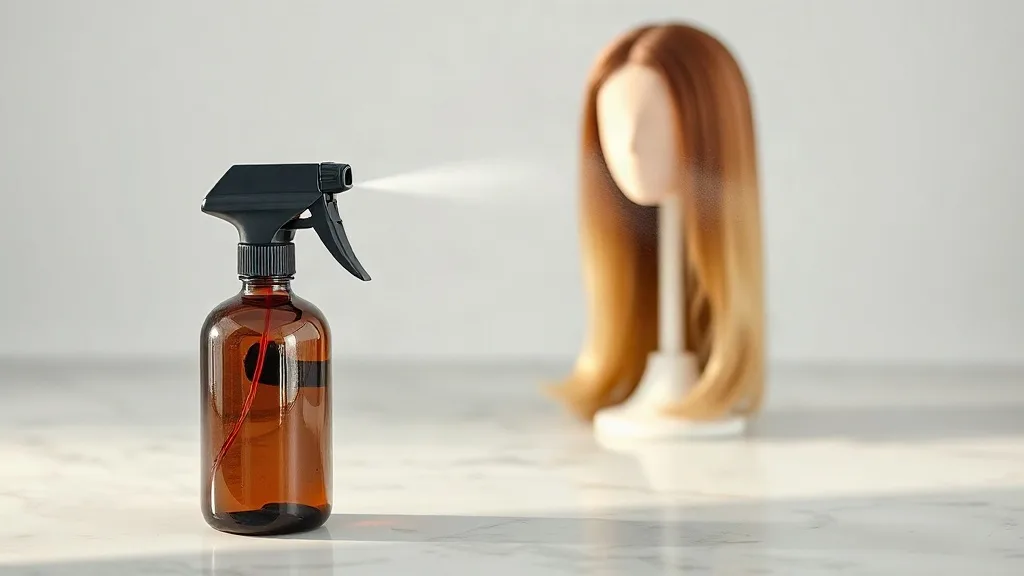
- Lightweight spray: The gold standard for wigs. Look for fine-mist nozzles. Alcohol-free heat protection sprays from brands like Simply Stylin’, Kenra, or TRESemmé (check the label) work well. Hold 6–8 inches away, mist evenly, comb through.
- Silicone serum: Best for human hair ends and synthetic pieces that need slip. Use 1–2 drops max, focusing on mid-lengths and ends. Avoid roots and lace.
- Leave-in cream: For dry, thirsty human hair wigs. Choose a lightweight, water-based cream. Apply to damp hair before blow-drying on low heat.
- Heat protectant mist for synthetic: Specifically formulated, often with a lower melting point. Never use a human-hair product with alcohol on synthetic.
- DIY option: A tiny amount of argan oil mixed with water in a spray bottle can work for human hair, but it won’t provide true heat protection. Use a commercial protectant for styling.
A note on breathability: Sprays are the most breathable because they leave almost no residue. Serums and creams can create a film that traps heat and sweat, so use them sparingly and keep them away from the cap.
Temperature Settings by Wig Type and Tool
Temperature is where most wig lovers go wrong. A flat iron at 400°F might be fine for your bio hair, but it will melt a synthetic wig and fry a human hair wig’s cuticle. Here’s my cheat sheet, based on fiber and tool.
- Human hair, flat iron: 300–320°F. Start at 300°F, use thin sections, one pass.
- Human hair, curling iron: 280–320°F. Lower for delicate curls; higher only for resistant textures.
- Heat-friendly synthetic, flat iron: 250–280°F. Test on a hidden weft first.
- Heat-friendly synthetic, curling iron: 250–300°F. Keep contact time under 3 seconds.
- Standard synthetic: No heat. If you must, 200°F with a heat protectant for synthetic and a 1-second pass.
- Blends: 250°F max. Treat as synthetic.
- Blow dryer: Use low heat (150–200°F) and keep the nozzle moving. A diffuser on cool is best for breathability.
Always use the lowest effective temperature. If you need multiple passes to style, your iron is too cool—or your sections are too thick. Adjust your technique before you crank the heat.
How to Apply Heat Protectant for Maximum Breathability
Application matters as much as the product. A dripping wet wig or a heavy-handed spray can seal off airflow and make your scalp feel swampy. Here’s my step-by-step for a breathable, protected style.
- Start dry: Heat protectants work best on dry hair. If your wig is damp, let it air-dry or use a cool setting.
- Section: Clip up the top layers so you can reach the under-layers.
- Spray from a distance: Hold the bottle 6–8 inches away. Mist lightly, then comb through with a wide-tooth comb.
- Avoid the roots and cap: Focus product from mid-lengths to ends. The cap area needs to breathe.
- Let it dry: Wait 30–60 seconds before applying heat. This activates the polymers and prevents sizzling.
- Use low heat, move quickly: Keep the iron moving. Never hold it in one spot.
- Cool down: Let the hair cool completely before brushing or styling. This sets the shape and reduces heat exposure.
- Refresh between washes: A light mist on dry hair can revive style without buildup.
Tools and Techniques for Safe Heat Styling
Even the best protectant can’t save you from a bad tool. Look for irons with adjustable temperature, ceramic or tourmaline plates, and ionic technology. These features distribute heat evenly and reduce hot spots. For wigs, I also recommend a heat-resistant mat and a fine-tooth comb for sectioning.
- Adjustable temperature: Essential. Skip irons with only on/off.
- Ceramic or tourmaline plates: Gentle, even heat.
- Ionic technology: Reduces static and frizz without heavy products.
- Steam irons: Avoid. Steam can loosen lace adhesive and add moisture that leads to mildew.
- Heat-resistant glove: Protects your hand and lets you guide the iron smoothly.
- Wide-tooth comb: For detangling before styling; never use a brush on hot fibers.
Technique tip: Work in small sections, and let the iron glide. If you hear sizzling, your wig is either wet or too hot. Stop immediately.
Common Mistakes That Fry Your Wig (and Your Scalp)
I’ve seen it all—and made some of these mistakes myself. Here are the biggest offenders, plus how to avoid them.
- Skipping heat protectant: The number one cause of heat damage.
- Using too high a temperature: More heat doesn’t mean better style; it means faster damage.
- Styling a wet wig: Water turns to steam, which can melt synthetic fibers and burn your scalp.
- Applying product to the roots: Clogs the cap, traps sweat, and loosens adhesive.
- Heavy oils and butters: Weigh down the wig and block airflow.
- Not cleaning your iron: Product buildup can transfer to the wig and cause uneven heat.
- Ignoring the smell: A burning smell means the fiber is melting or the protectant is burning. Stop and reassess.
Breathability Check: Keeping Your Scalp Cool Under Heat
This is my favorite part—literally. A wig that breathes is a wig you’ll actually enjoy wearing. Heat styling can compromise breathability if you’re not careful. Here’s how to keep the air moving.
- Choose breathable cap construction: Lace front, mono top, and wefted backs allow more airflow than closed caps.
- Use a wig liner: A thin, moisture-wicking liner can protect your scalp and absorb sweat.
- Style in a cool room: Avoid hot, humid environments. A fan nearby helps.
- Take breaks: If you feel heat building under the cap, stop and let your scalp cool.
- Keep products light: Sprays over creams, and always away from the cap.
- Wash regularly: Product buildup reduces airflow. Use a wig-safe shampoo and condition the ends only.
- Try a cool shot: Most dryers and irons have a cool setting. Use it to set the style and cool the scalp.
Final Thoughts: The Cool-Head Approach to Heat Styling
Heat styling a wig doesn’t have to be a gamble. By choosing an alcohol-free, lightweight heat protectant and matching your temperature to your wig’s fiber, you can style with confidence—and keep your scalp feeling breezy. Remember: lower heat, light layers, and a breathable cap are the trio that keeps your wig looking good and your head happy.
If you’re ever unsure, test on a hidden weft or the bottom layer first. And when in doubt, go cooler. Your wig—and your scalp—will thank you.