
Understanding Wig Knotting
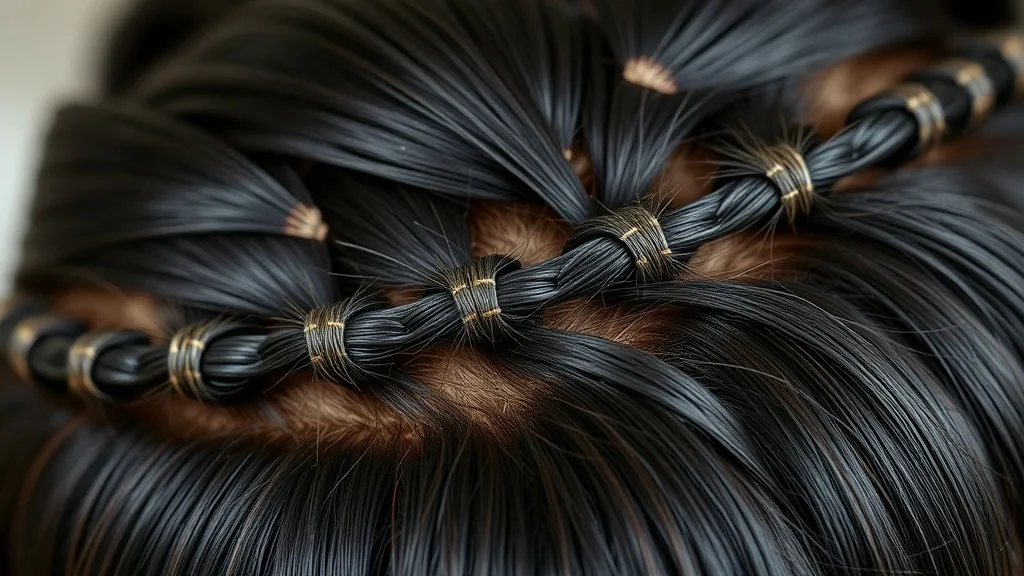
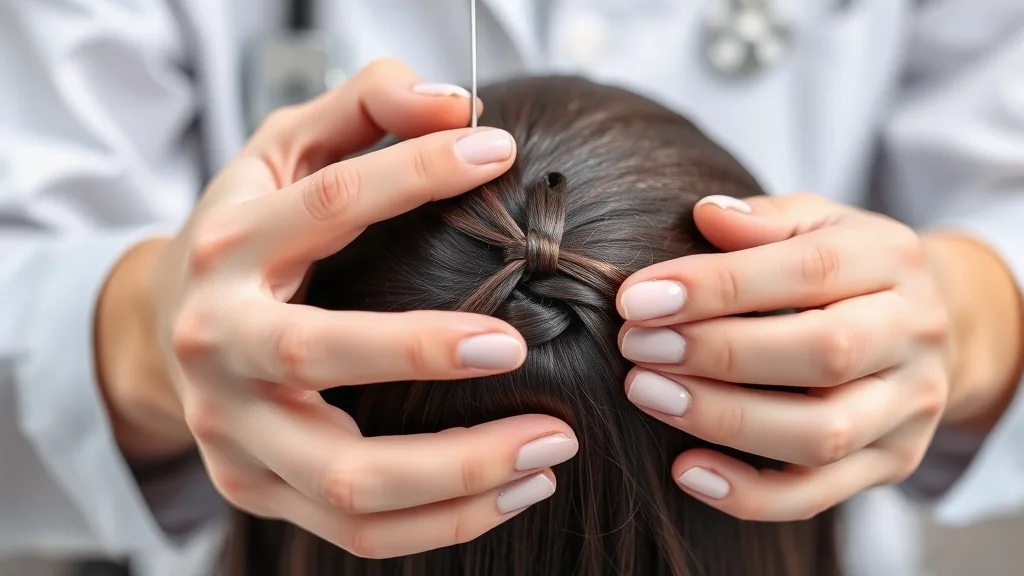
Wig knotting, also known as ventilation, is the process of hand-tying individual strands of hair onto a wig cap. This meticulous technique creates the illusion of natural hair growth and allows for realistic movement. The knots can be single or double, and their placement determines the hair’s direction and density. For brides, understanding knotting is the first step to choosing a wig that feels as beautiful as it looks.
Does Knotting Affect Styling?
Absolutely. The way hair is knotted directly influences how it can be styled. Knots act as anchors, so styles that require a lot of tension or heat must be approached with care. For example, slick ponytails may expose knots if not properly concealed, while curly updos can hide them beautifully. The key is to work with the knotting pattern rather than against it. Special styling techniques can help maintain the integrity of the knots while achieving your dream look.
Special Styling Techniques for Knotted Wigs
- Use low heat settings (below 300°F) to avoid melting or weakening knots.
- Avoid heavy products like thick gels or waxes that can weigh down the knots and cause buildup.
- Gentle brushing with a wide-tooth comb or a boar bristle brush to prevent pulling on knots and shedding.
- When curling, use flexi rods or steam rollers instead of hot tools to minimize heat exposure.
- For updos, secure hair with soft velvet scrunchies to avoid snagging knots.
Bridal Wig Knotting: The Perfect Finish
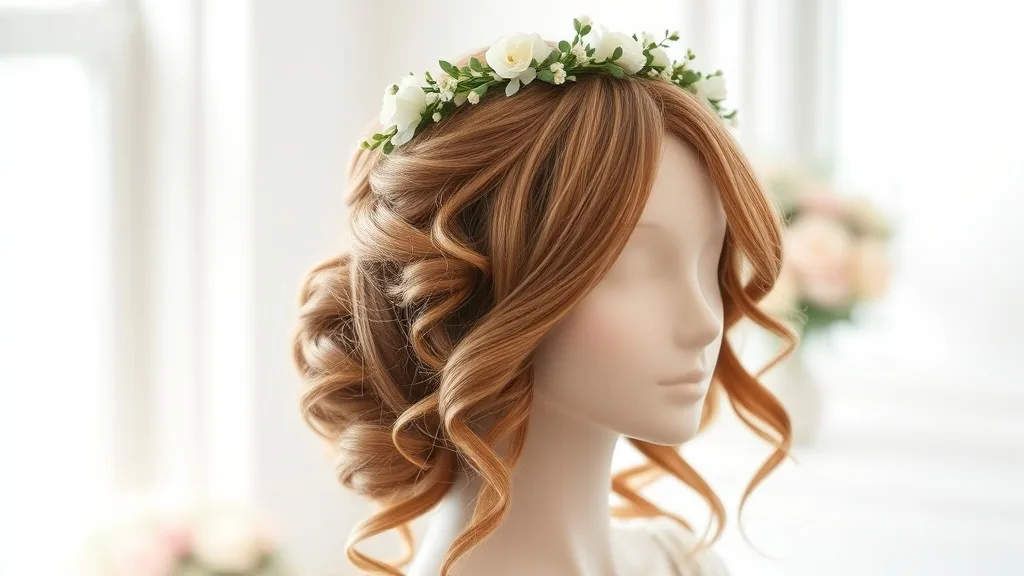
As a bridal wig specialist, I believe every knot should whisper romance. For brides, I recommend wigs with bleached knots – a process that lightens the visible knots at the hairline so they blend seamlessly with the scalp. Lace front wigs are ideal because they allow for a natural parting. When styling, opt for soft, loose curls or a gentle updo that lets the hair fall naturally. The goal is to look like you, only more radiant.
Final Thoughts
So, does knotting wigs require special styling? Yes and no. While you don’t need a degree in cosmetology, a little knowledge goes a long way. By choosing the right wig, using gentle techniques, and embracing the knotting’s natural flow, you can style your wig with confidence. On your wedding day, your wig should feel like a crown of delicate perfection – and with the right care, it will.