
Why the Edge Finish Matters
When you're shopping for a wig, the edge might be the last thing you examine—but it should be the first. The finish where the cap meets the hairline or the nape is a strong indicator of how well the wig is constructed. A clean, secure edge means less shedding, a more natural look, and longer wear. Let me walk you through the key edge finishes and what they signal about quality.
Lace Front Edges: The Gold Standard
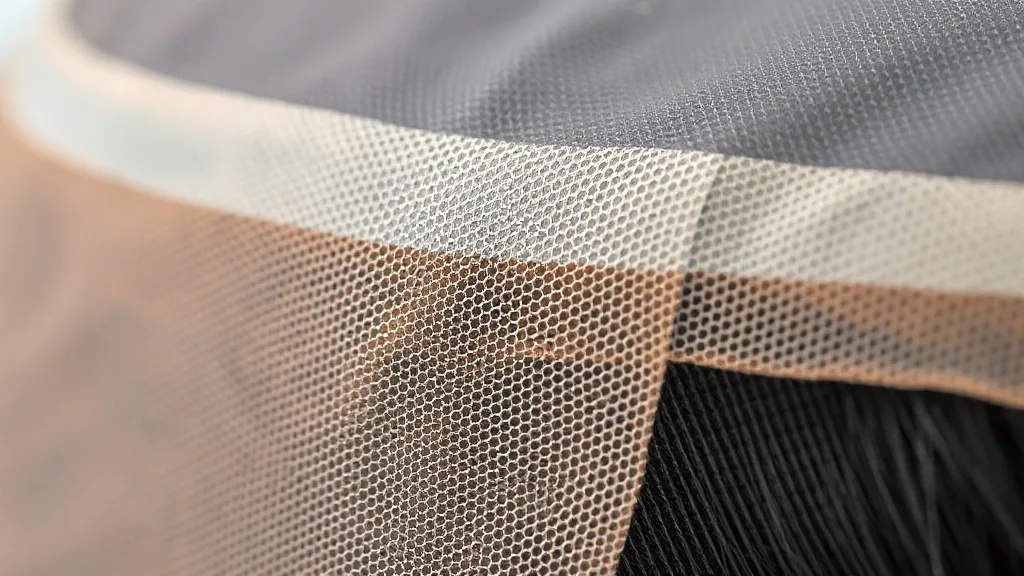
Lace front wigs have a sheer lace panel along the front hairline. A high-quality lace front will have a seamless transition—micro knots that look like natural hair growth, and a soft, breathable lace that lies flat against your skin. Look for edges that are hand-tied with small, uniform knots. If the lace is thick, stiff, or has visible glue residue, it's a sign of lower quality. The way the lace is finished at the temples also matters: a good edge will be curved to follow your hairline, not cut straight across.
Monofilament Caps: Invisible Perfection
Monofilament caps use a fine mesh material that mimics the look of a natural scalp. The edge finish is crucial here—the monofilament should be securely attached to the rest of the cap without any lumps or bulk. Quality monofilament edges are often reinforced with a thin strip of fabric to prevent tearing. Run your finger along the edge: if it feels smooth and you can't detect a ridge, that's a sign of careful construction. Also check the parting zone; a well-finished monofilament cap will allow for realistic, multi-directional parting.
Wefted Caps: The Budget Baseline
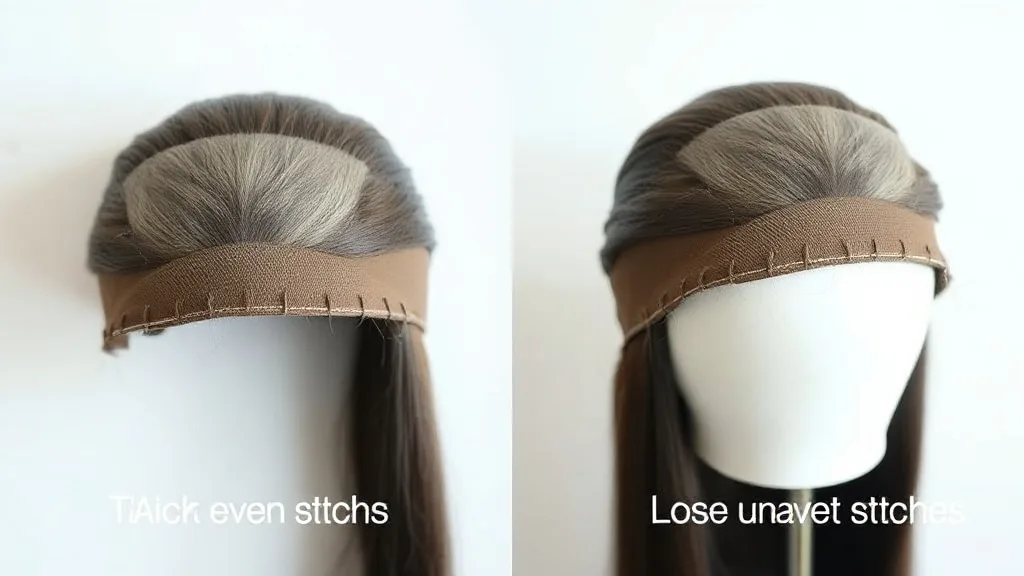
Wefted caps are the most common and affordable. The edge finish here involves the stitching that secures the wefts (rows of hair) to the cap. A high-quality wefted cap will have edges that are neatly sewn with a strong, small stitch. Look for a folded hem or a serged edge that prevents fraying. If you see loose threads or uneven stitching, the wig will likely shed quickly. The nape edge should also have adjustable tabs or elastic for a secure fit—a sign that the manufacturer thought about comfort and stability.
What the Stitching Tells You
No matter the cap type, the stitching along the edges is a dead giveaway of quality. Consistent, tight stitches that are close together indicate a machine or hand-sewn finish that will hold up. Loose, wide stitches suggest rushed manufacturing. Also examine how the edges are finished at stress points like the ears and nape—reinforced double stitching or additional fabric layers are marks of durability.
Elasticity and Comfort at the Edges
A wig that stays put without pinching needs a well-designed edge. Look for adjustable straps, combs, or silicone strips along the front and back edges. The elastic should be soft, not digging into your skin, and it should be sewn in a way that doesn't create bulky seams. Premium wigs often have a velvet or suede finish on the inner edge of the cap—this adds grip and prevents slipping without discomfort.
The Bottom Line: Quality Checklist
- Lace front: thin, flexible lace with small, uniform knots; curved temples
- Monofilament: smooth, seamless attachment; no visible ridges; reinforced hem
- Wefted: tight, even stitching; folded or serged edges; no loose threads
- General: soft elastic, adjustable tabs, non-slip materials, and double stitching at stress points
Next time you pick up a wig, flip it inside out and inspect the edges. Those details—stitching, materials, and finishes—tell the story of how much care went into making it. A quality edge finish not only looks better but lasts longer, saving you money and frustration in the long run.