
Introduction
You ever buy a wig online, see those glowing reviews, only to open the box and find a hot mess that looks nothing like the photos? Yeah, me too. And nine times out of ten, the problem isn’t the wig—it’s the damn lighting. I’m Bruce King, wig detangler extraordinaire, and I’m here to tell you why every single review should come with a lighting report. Because if you’re not seeing the wig in the same light, you’re not seeing the truth.
The Lighting Lie
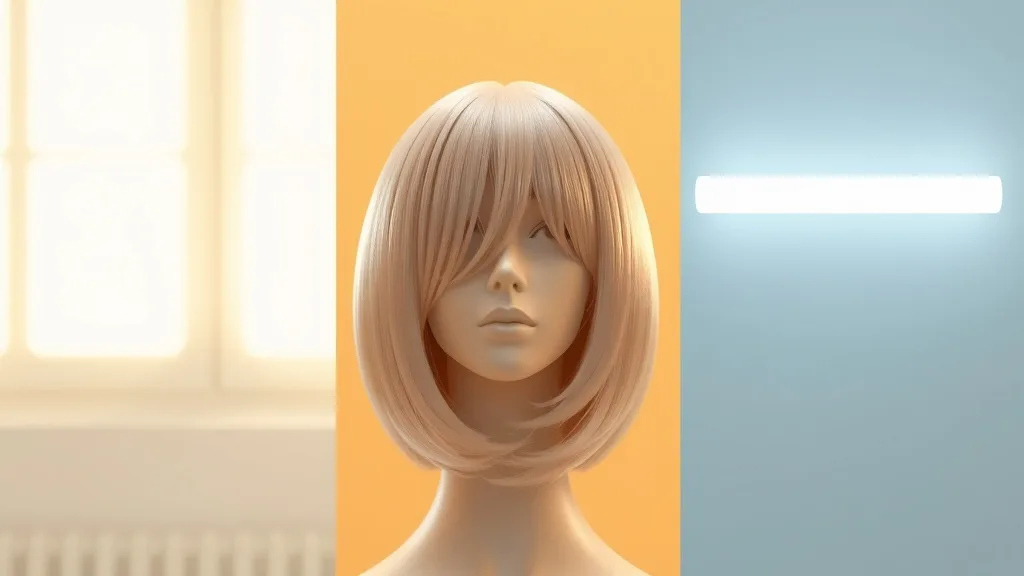
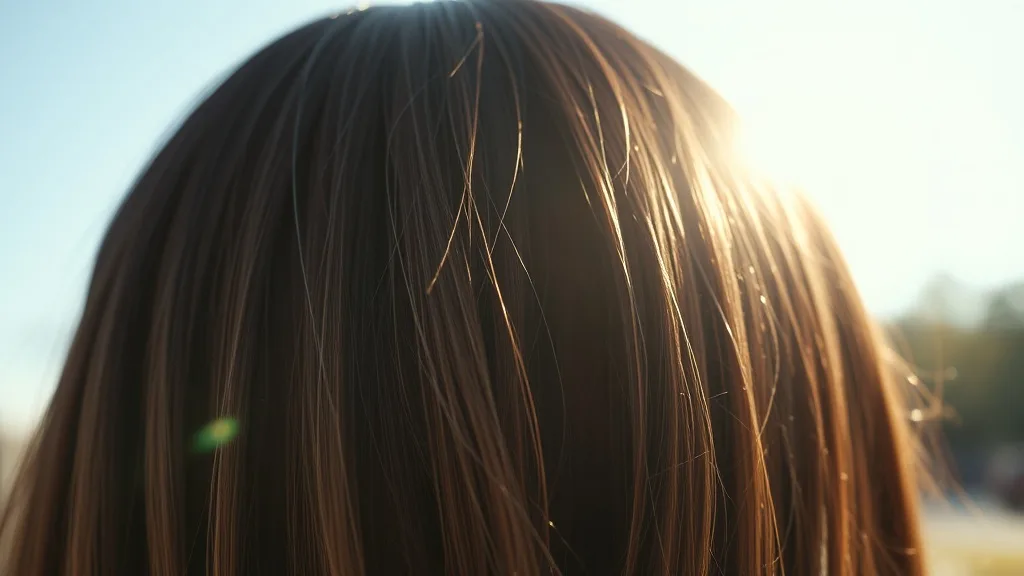
Wig reviewers often snap pics in perfect studio lighting—diffused, soft, flattering. That’s great for a model shoot, but it’s a lie for the rest of us. Real life has fluorescent office lights, warm living room lamps, and harsh sunlight. These don’t just change how the wig looks—they change the color, the sheen, and even the texture perception. A wig that looks caramel in studio light can look orange in sunlight. A glossy wig can look greasy under fluorescents. Reviewers who don’t mention lighting are doing you a disservice.
Natural vs. Artificial Light
Natural light is the gold standard—it shows true color and texture. But most of us don’t spend our days in a sunlit field. We’re in offices, shopping malls, and dimly lit restaurants. That’s where artificial light comes in, and it’s a beast. Warm light (yellowish) adds warmth to the wig color; cool light (bluish) cools it down. If you’re buying a wig for everyday wear, you need to know how it looks under the lights you actually use. A reviewer who only shows you natural light is hiding half the story.
What Every Review Should Include
- Lighting type: natural daylight, incandescent, fluorescent, LED, mixed
- Time of day and weather if outdoors
- Camera settings (white balance, if known)
- Multiple photos under at least two different lighting conditions
- A note on how the wig’s color shifts in each light
If more reviewers followed this simple list, we’d have far fewer surprise wigs. It’s not about being a professional photographer—it’s about being honest. And let’s be real: if you can’t be bothered to snap a pic in your bathroom light, you shouldn’t be writing a review.
How to Spot a Trustworthy Review
When you’re scrolling through reviews, look for the ones that mention lighting explicitly. “Taken in indirect window light” is a good sign. “Outdoor at noon” is better. If the reviewer says “same wig, different lights” and shows two photos—one in warm light, one in cool—they’re a keeper. Avoid reviews that only have one photo, especially if it’s overly filtered or staged. And if the reviewer says “exactly like the product photos,” but the product photos were taken in a studio? Run.
My Plea to Reviewers
Listen, I’m a detangler, not a dictator. But I’ve seen too many heartbroken wig lovers because of lighting lies. Please, for the love of all that is luscious, include lighting conditions in your reviews. It takes two extra seconds to write “photo taken in daylight,” and it saves someone a headache. And if you can’t do that, at least stop using that weird ring light that makes everything look like a unicorn sneezed on it. We deserve better. Your fellow wig-wearers deserve better.