
The Heart of a Good Wig: A Proper Fit
I’ve been restoring vintage wigs for nearly two decades, and if there’s one thing I’ve learned, it’s that a wig is only as good as its fit. I’ve seen countless beautiful pieces—hand-tied laces, curled Czech hair—gather dust because the straps were too loose or too tight. A well-adjusted cap doesn’t just keep the wig in place; it honors the craftsmanship and the person wearing it. Let me show you why those tiny straps matter more than you might think.
Why Fit Is Everything
When a wig fits poorly, it moves. It slides forward when you lean over, lifts at the nape, or leaves red marks on your forehead. These small annoyances can erode confidence and damage the wig itself, as constant readjustment puts stress on the cap’s foundation. A proper fit, on the other hand, spreads the tension evenly, prevents slipping, and allows the wig to move naturally with your head. It’s like a well-worn pair of shoes: once you get it right, you forget you’re wearing it.
Anatomy of a Wig Cap: What You're Adjusting
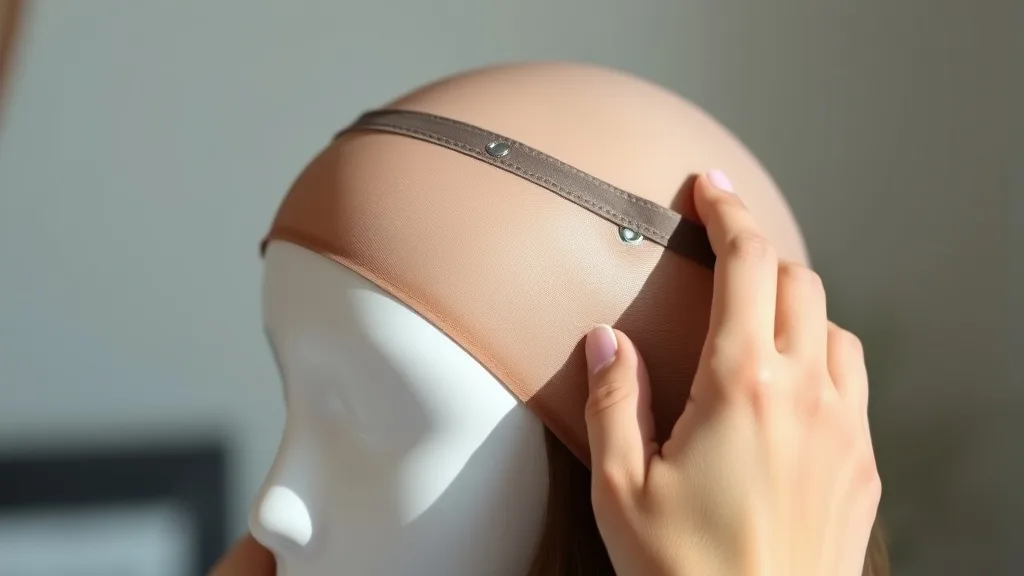
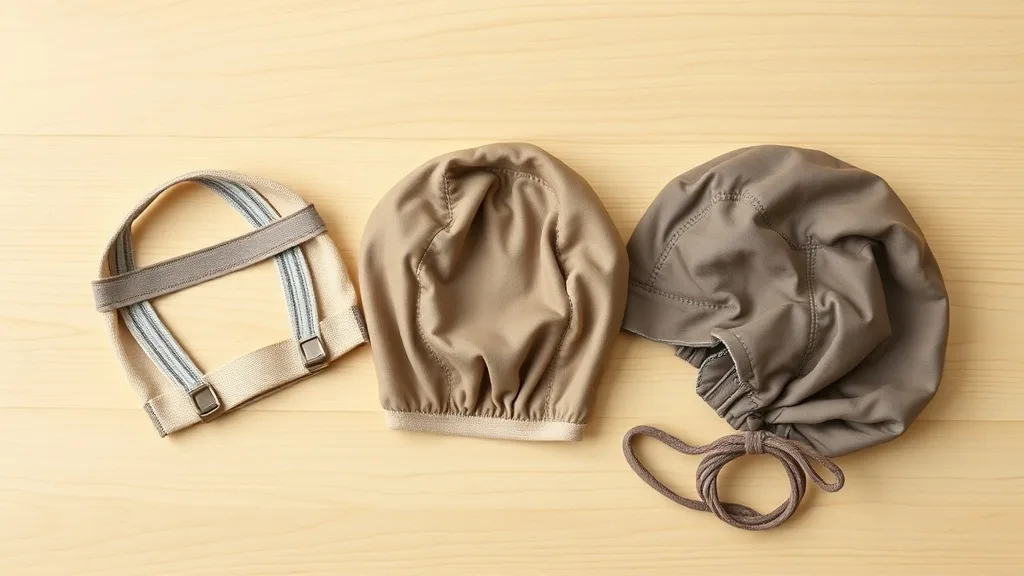
Most modern wig caps have between two and four adjustable straps at the back, usually made of elastic. Some have hooks, others Velcro tabs. Vintage caps often use a drawstring or ribbon. Each adjustment point serves a specific area: the nape, the temples, and the crown. Understanding which strap affects which part of the fit is the first step to a perfect feel.
- Nape straps: control lift at the back and help secure the wig when you tilt your head down.
- Temple straps: prevent the wig from shifting side to side and reduce pressure on the ears.
- Crown straps (less common): fine-tune the height of the wig over the top of your head.
Tools of the Trade
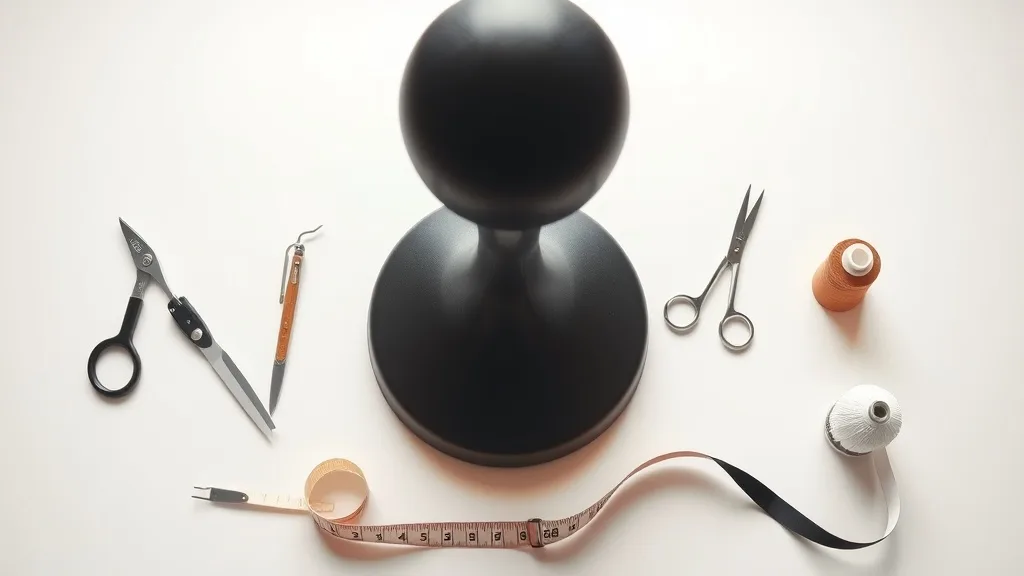
Before you dive in, gather a few essentials: a wig stand (to hold the cap securely), small scissors for trimming loose threads, a seam ripper for delicate adjustments, and—my favorite—a soft measuring tape. You don’t need anything fancy, but patience and a steady hand go a long way.
Step-by-Step: Adjusting Elastic Straps
Elastic straps are the most common in modern wigs. Here’s how to adjust them without causing damage:
Vintage Wigs: A Special Challenge
Vintage pieces (1940s–1970s) often have drawstrings or ribbon ties. These are more delicate and may need gentle reinforcement. I always recommend replacing perished elastic with new, matching-width elastic from a millinery supplier. For drawstrings, simply knot them to the desired length and tuck the ends inside a small fabric pocket sewn into the cap.
Common Mistakes (And How to Avoid Them)
- Over-tightening: Leads to headaches and hairline tension. Aim for a fit that’s secure but leaves a finger’s width of space at the temples.
- Skipping the trial: Never adjust a wig without trying it on mid-process. Small changes can have big effects.
- Ignoring the condition of the elastic: Stretched-out or brittle elastic won’t hold. Replace it, don’t just tighten it.
- Forgetting the liner: If the cap has a velvet or silicone liner, adjustments can pinch the skin. Check that liner is smooth after every change.
When to Seek a Professional
Some adjustments require more than a quick fix—like altering the entire cap size by cutting and re-sewing darts, or adding combs and silicone grips for extra security. If you’re dealing with a high-end human hair wig or a treasured vintage piece, I recommend consulting a wig specialist or a vintage wig restorer. It’s an investment that pays off in years of comfortable wear.
The Sentimental Side
Every wig has a history. When I adjust a cap, I imagine the hands that first sewed those straps, the woman who wore it to a dance in 1953, or the bride who walked down the aisle in the 1980s. By making these small adjustments, we give those pieces a new life—and a new wearer can find the same joy. It’s why I do what I do.
So next time your wig slips or feels off, take a moment to look at the straps. A few minutes with a hook and loop can make all the difference. Your wig—and your confidence—will thank you.