
The Foundation of a Great Wig
If there's one thing I've learned in my years detangling wigs for a living, it's that the base is everything. You can have the silkiest hair on earth, but if the cap doesn't fit or breathe, you're in for a bad time. I'm Olivia Martinez, and I've conquered more knots than I can count—but I still get jittery when I see a tangled wig from across the room. Let's break down why wig bases differ and how to pick the best one for your lifestyle.
Lace Front Wigs: The Natural Hairline Champion
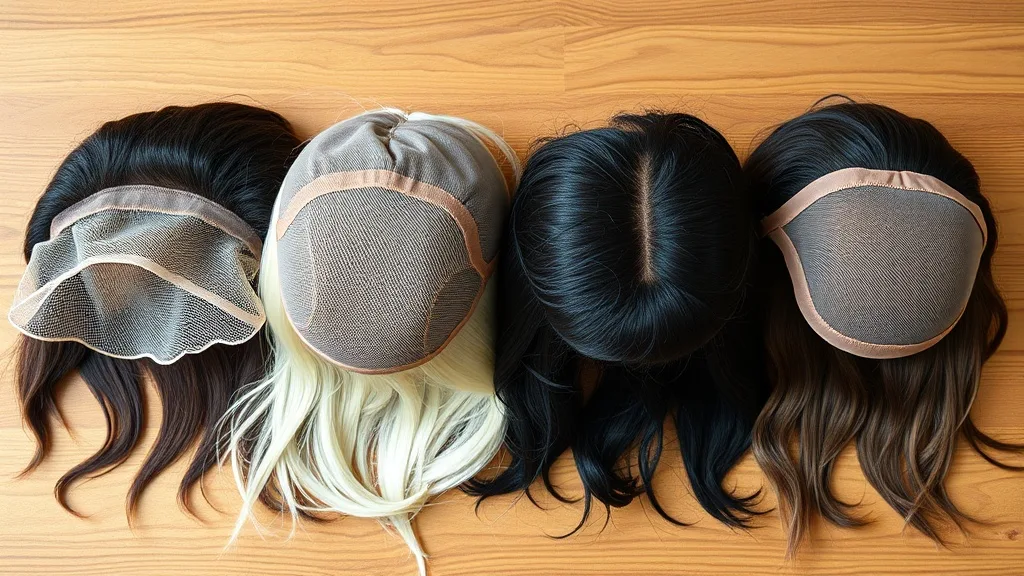
Lace front wigs feature a sheer lace panel at the front, usually from temple to temple, with the rest of the cap made of a less delicate material. This design creates the illusion that hair is growing from your scalp—perfect for styles that expose the forehead or require off-the-face styling.
- Pros: Very natural hairline, breathable, lightweight, and allows for parting flexibility at the front.
- Cons: The rest of the cap may not look as realistic; lace can tear if handled roughly; requires adhesive or tape for security.
- Best for: Daily wearers who want a realistic hairline without a full lace price tag.
Full Lace Wigs: Maximum Styling Freedom
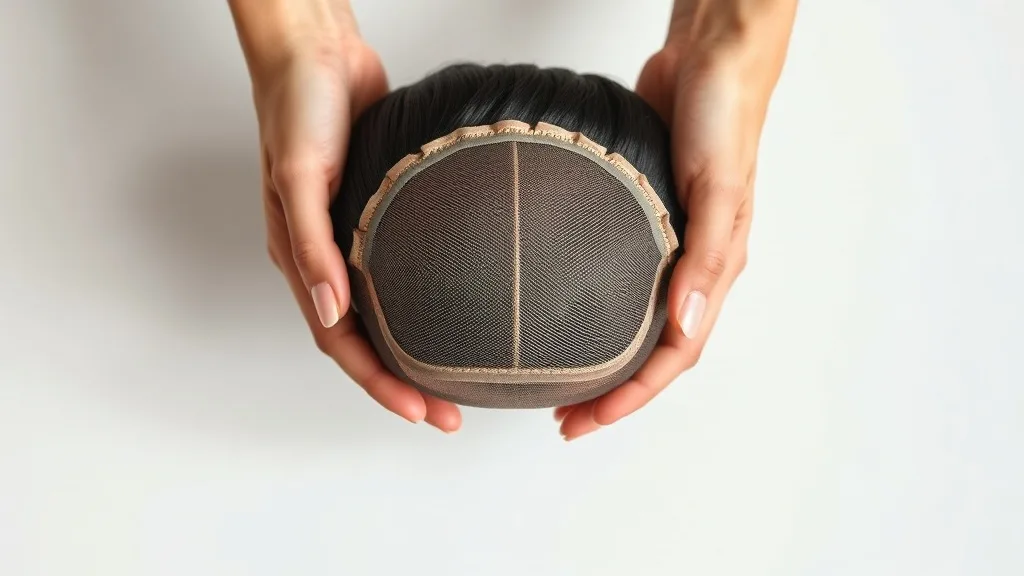
Full lace wigs are made entirely of lace, allowing you to part the hair in any direction and even pull it into a high ponytail or bun. The entire cap surface mimics your scalp, so there's no risk of exposing a less-realistic cap. They're the go-to for versatility.
- Pros: Total styling versatility, very realistic, can be worn without adhesive if snug enough.
- Cons: Expensive, delicate (lace needs careful handling), requires more maintenance.
- Best for: Those who change their style often or want the most natural look.
Monofilament Wigs: Comfort and Realism Combined
Monofilament wigs use a fine, flesh-colored mesh at the crown (or sometimes the entire cap) where each hair is individually hand-tied. This creates the illusion of natural hair growth and allows for multidirectional parting. The mesh is soft and breathable.
- Pros: Extremely realistic at the part, comfortable, lightweight, ideal for sensitive scalps.
- Cons: Can be pricier than wefted caps; hand-tied construction is fragile.
- Best for: People with sensitive skin or those who want a part that looks 100% realistic.
Wefted Wigs: The Budget-Friendly Workhorse
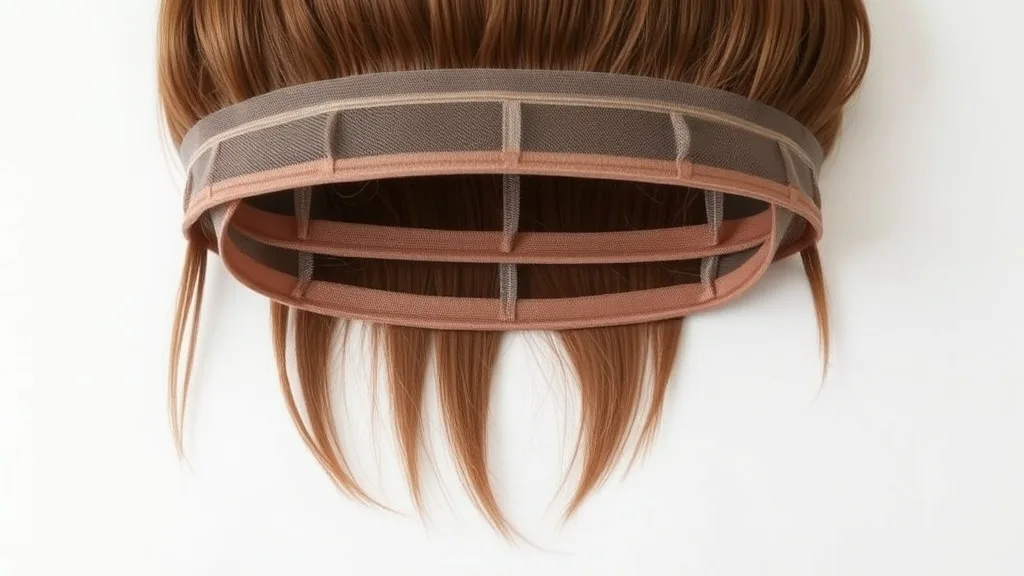
Wefted caps—often called capless or traditional caps—are made of wefts of hair sewn onto strips of material, with open spaces between them for airflow. They're the most common and affordable option.
- Pros: Lightweight, very breathable, machine-made so affordable, easy to put on and remove.
- Cons: Wefts can be visible at the part unless layered well; less realistic overall; may not last as long.
- Best for: Beginners, casual wear, or those on a budget.
So… Which Base Is Best?
Honestly? It depends on your priorities. If realism and styling freedom are top of mind, go full lace or monofilament. If you want a natural hairline without the full commitment, lace front is your friend. And if you're just starting out or need something lightweight for an event, wefted will do the job. As for me? I'll always have a soft spot for monofilament—the way the hair moves at the part gives me goosebumps. (But I still hide when my own hair needs a trim.)
No matter your choice, remember: the right base makes every strand behave better. And if you ever get a nasty knot, you know who to call.