

I once had a client named Eleanor. She’d purchased a gorgeous lace-front wig in honey blonde, the kind that catches sunlight and turns heads. But every time she bent forward to pick up her gardening trowel, the wig lifted at the back, revealing a sliver of her bio hair. She was mortified. After hours of fitting rooms and frustration, we discovered the culprit wasn’t the cap size or the lace—it was the *depth*. That hidden dimension, the distance from her hairline to the nape, was a mere half-inch off, and it made all the difference. Today, let’s unravel the mystery of wig cap depth, because understanding it might just be the key to your best fit yet.
What Is Cap Depth?
Cap depth is the vertical measurement from the center of your front hairline (where your forehead meets your scalp) to the nape of your neck (the bony bump at the base of your skull). While circumference and ear-to-ear measurements get all the attention, depth is the unsung hero that determines whether your wig sits snugly or slips, whether it feels like a crown or a constant nuisance.
Why Depth Matters
Think of your head as a globe: circumference is the equator, but depth is the meridian line running front to back. A wig that’s too shallow in depth will feel like it’s constantly trying to escape backward—lifting at the nape, creating an unnatural ridge at the front. One that’s too deep will pool excess fabric at the back, leading to folds, bumps, and a silhouette that screams “wig.” When depth is just right, the wig conforms to your head like a gentle embrace, distributing tension evenly so you forget you’re even wearing it.
How to Measure Your Wig Cap Depth
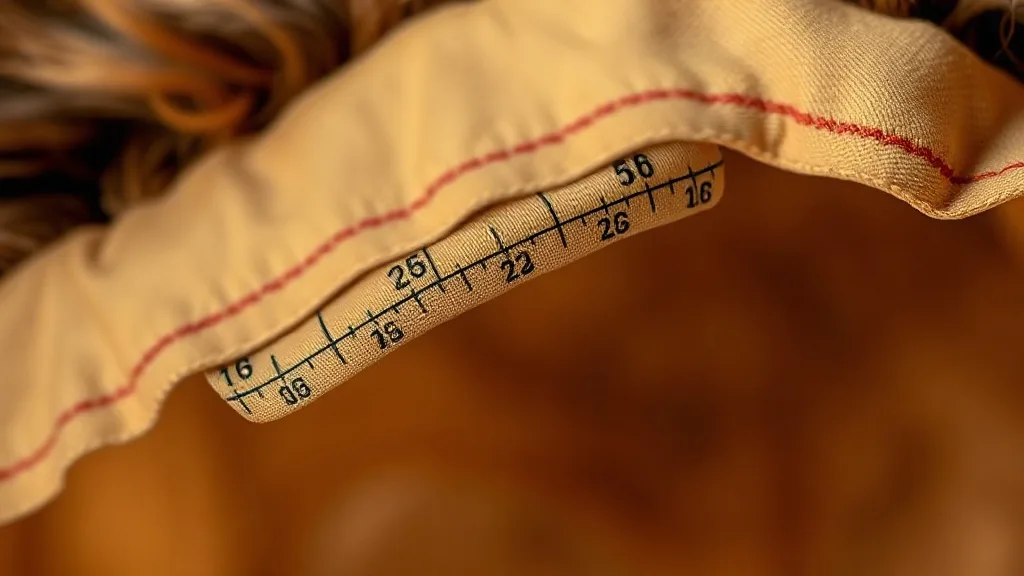
Grab a flexible measuring tape and a mirror. Place the tape at the center of your hairline (where you’d want the wig to begin) and run it over the top of your head, following the curve, down to the nape of your neck. Write down that number. For accurate results, do it twice—once with your head upright, once looking slightly down. (Our napes shift when we move.) Pro tip: if you have a short haircut or are bald, a soft cloth hat can help you mark the points.
Standard Cap Depth Ranges
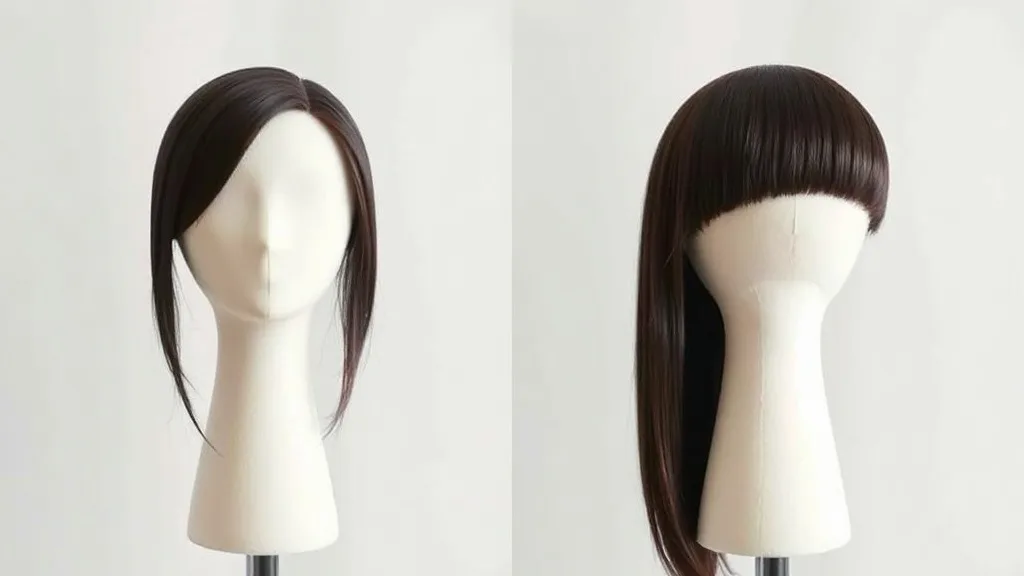
Most wig brands offer depth in four categories: Petite (about 13-14 inches), Average (14-15 inches), Large (15-16 inches), and Extra Large (16+ inches). But these are guidelines—individual variation is vast. A petite person with a tall forehead might need an average depth. A larger head circumference doesn’t automatically mean a deeper cap. Always compare your measurement to the wig’s specifications; some brands even provide depth in centimeters.
Signs Your Wig Cap Depth Is Wrong
- The wig lifts at the nape when you move your head
- A visible bump or fold appears at the back
- The front lace doesn’t lie flat, even with adhesive
- You feel pressure on your crown or temples
- The wig shifts forward or backward throughout the day
Adjusting Cap Depth
Don’t despair if your dream wig’s depth is off. Professional wig fitters can sometimes alter the depth by adjusting the wefting or adding elastic straps. Many modern wigs feature adjustable tabs at the nape, giving you a half-inch or more of play. For persistent issues, consider a custom cap—a worthy investment for daily wearers. Remember Eleanor? A simple weft adjustment gave her wig a new lease on life. Now she gardens with abandon, her honey-blonde crown secure as ever.
Measuring cap depth is like learning a secret language between you and your wig. Once you know it, you’ll never settle for a fit that’s less than perfect. Because at Wigplace, we believe every wig tells a story—but only when it fits like it belongs to you.