Introduction: The Cap – The Unsung Hero of Your Wig
Honey, if you think the hair is the star, you're missing the real diva – the cap underneath! A wig's cap construction is like the foundation of a house: get it wrong, and everything crumbles. Whether you're a drag queen who dances till dawn or a busy mom who needs a quick style, durability matters. Let's break down what cap construction really says about how long your wig will last.
The Basics: Machine-Made vs. Hand-Tied
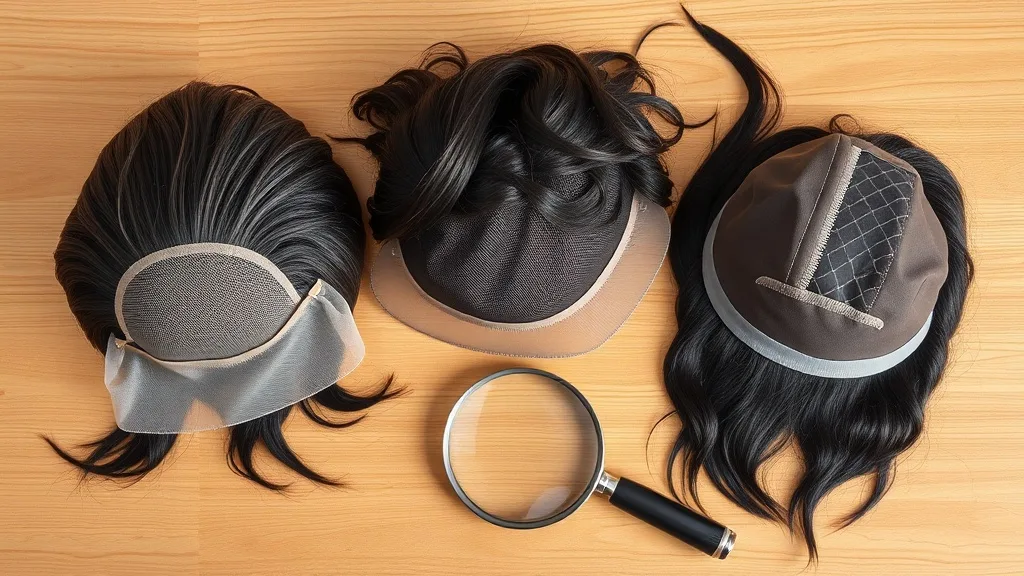
There are two main ways wigs are constructed: machine-made and hand-tied. Machine-made caps are stitched by, well, machines. They're fast to produce and often cheaper, but they can be less durable at the seams. Hand-tied caps are crafted stitch by stitch, offering more flexibility and a natural look, but they cost more. But durability isn't just about price – it's about how the cap handles daily wear and tear.
Wefted Caps: The Classic Workhorse
Wefted caps are the old faithfuls – rows of hair sewn onto strips of material. They're durable, breathable, and can handle a lot of styling. But here's the tea: they can be bulky and less natural-looking at the part. Shedding? It happens, especially if the wefts aren't secured tightly. Look for double-wefted caps – they're like the double-stitched jeans of the wig world.
- Pros: Affordable, durable, great for volume
- Cons: Bulky, less natural part, potential shedding
Monofilament Caps: Breathable but Delicate
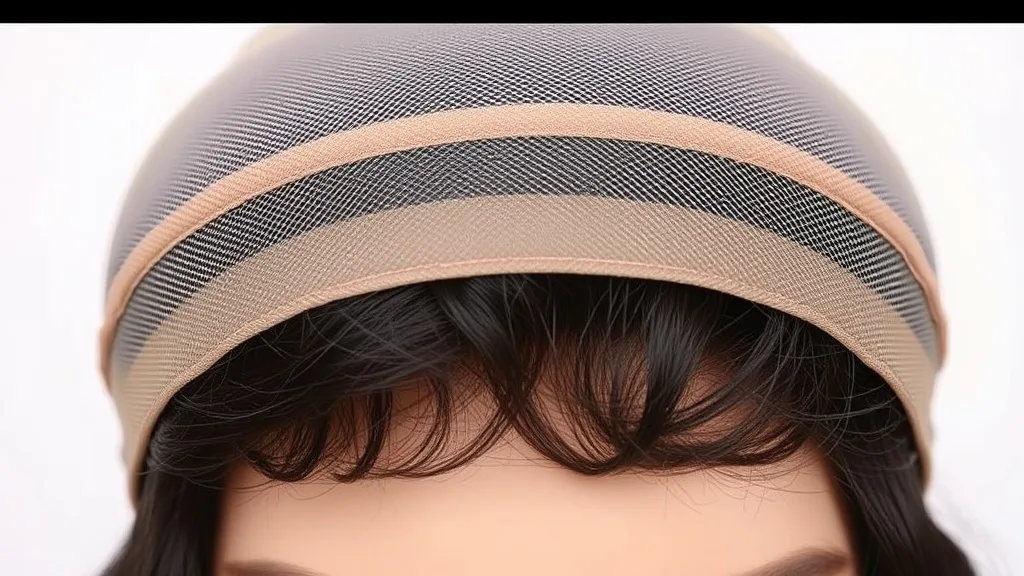
Monofilament caps use a fine mesh that mimics the scalp – perfect for a natural look. They're lightweight and breathable, but the delicate mesh can tear if you're rough. Heat styling? Be careful – too much heat can melt the monofilament. These caps are for the gentle divas who treat their wigs like royalty.
- Pros: Natural scalp effect, lightweight, breathable
- Cons: Fragile mesh, can tear, limited heat tolerance
Lace Front Caps: The Hairline Queen
Lace front wigs give you that flawless hairline – no more glue-and-wig-edge drama. The lace is thin and transparent, but durability varies. Swiss lace is delicate but invisible; French lace is stronger but thicker. If you're a performer who changes wigs nightly, go for French lace. And always, always handle the lace with care – it's the prima donna of cap materials.
- Pros: Undetectable hairline, versatile styling
- Cons: Lace can tear, requires careful handling
Full Lace Caps: The Ultimate in Natural but Fragile
Full lace caps are the crème de la crème – every hair is hand-tied to a lace base, allowing for any part and even updos. But with great flexibility comes great fragility. The lace can stretch out or tear, especially if you sleep in it. These are for special occasions or careful queens who can afford to replace them often.
- Pros: Most natural look, total styling freedom
- Cons: Very delicate, expensive, short lifespan if abused
Combination Caps: The Best of Both Worlds
Why choose when you can have it all? Combination caps mix wefts with monofilament or lace at the crown. This gives you durability where you need it and naturalness where you want it. Many high-quality wigs use this design – it's like having a sturdy base with a soft, touchable top.
How to Test Cap Durability
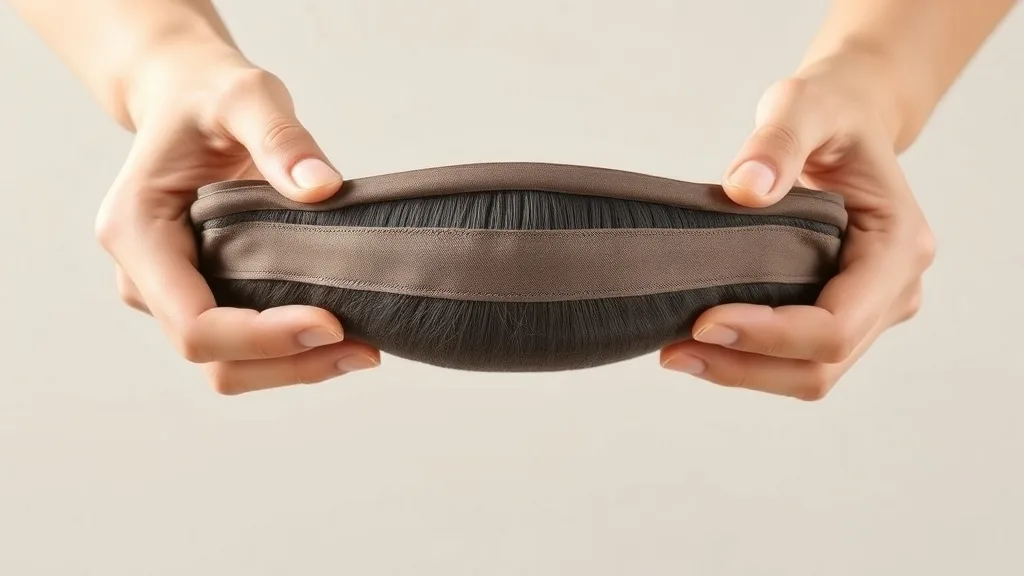
Before you buy, give the cap a little stretch test. Gently pull the cap side to side – does it bounce back or sag? Check the stitching: are the wefts securely attached? Look at the edges – are they reinforced? A well-constructed cap should feel firm but flexible. Remember, a cheap cap is a tragedy waiting to happen.
Maintenance Tips to Extend Cap Life
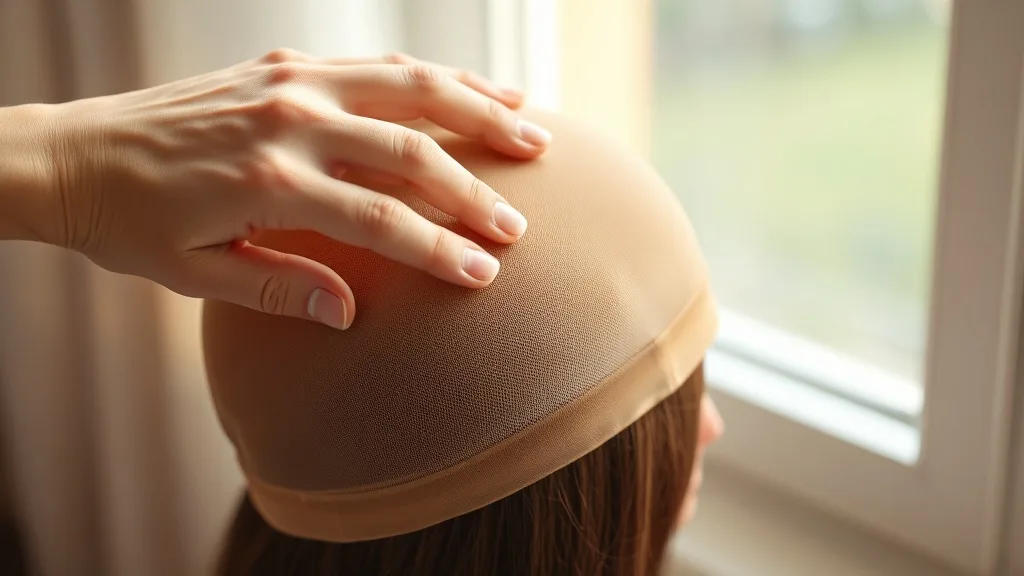
Love your cap, and it will love you back. Avoid sleeping in your wig – it's like sleeping in your makeup, darling. Wash gently with sulfate-free shampoo and let it air dry on a wig stand. Store it away from direct sunlight. And if you're a frequent flyer on the wig merry-go-round, invest in a velvet grip strap to reduce stress on the cap.
Conclusion: Invest in the Foundation
At the end of the day, your wig's cap is what keeps it together – literally. Don't skimp on construction quality. A well-made cap means fewer flyaways, less shedding, and more confidence. So next time you're shopping, ask about the cap. Your wig will thank you – and so will your audience.