
The Digital Deception: Why Photos Lie
My dear wig aficionado, have you ever fallen head over heels for a wig online, only to receive it and find the color is… off? Or perhaps you've styled your favorite piece perfectly, snapped a selfie, and gasped at how the shade seems to have a mind of its own. You are not alone. This phenomenon—let's call it the chromatic shape-shift—has baffled wig wearers since the dawn of smartphone photography. But fear not, for today we unravel the mystery behind the lens.
The Science of Light and Hair
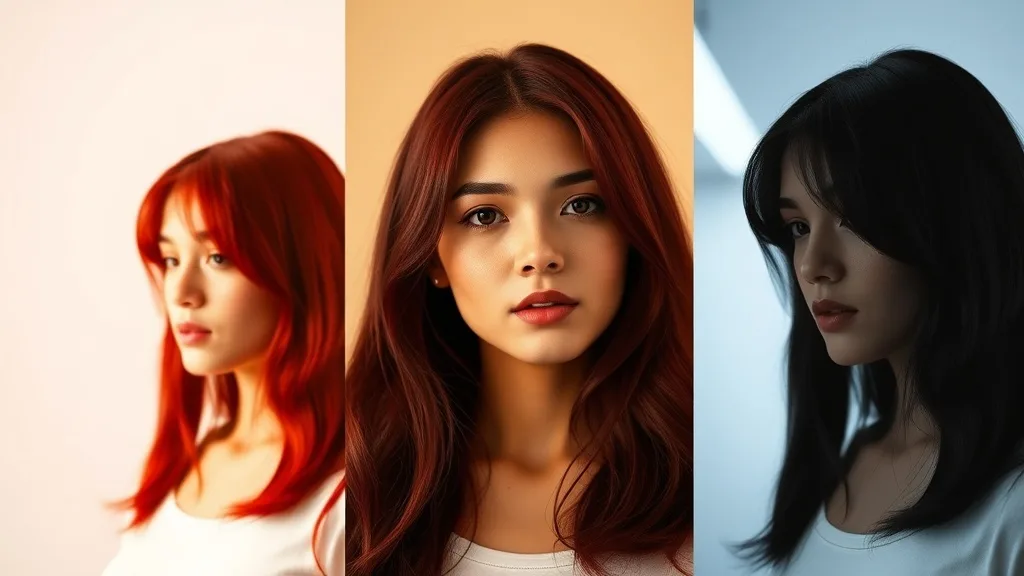
First, let's talk about the star of the show: light. Natural daylight, incandescent bulbs, fluorescent tubes, and the dreaded ring light all render color differently. Your wig's fibers—whether synthetic or human hair—contain pigments that absorb and reflect light in complex ways. Under a cool LED, a warm auburn may turn ashy; under golden hour sun, a platinum blonde might appear buttercream. And then there's your camera's white balance, an automated guesser that often gets it wrong. Together, they create a perfect storm of color confusion.
Let's take an example. You've purchased a 'Chocolate Cherry' wig—a deep burgundy brown that hints at merlot. Outdoors, it glows with ruby highlights. But indoors under fluorescent office lighting, it falls flat, looking almost black. Your phone's camera, trying to compensate, shifts the white balance towards cool, draining the red and leaving a muddy brown. The result? A color that feels like a stranger.
Tips for Photographing Your Wig
- Shoot in natural daylight: Stand near a window during the morning or late afternoon for the most accurate color reproduction.
- Avoid mixing light sources: Turn off overhead lights if you're using window light, or vice versa.
- Use a gray card: For true color balance, include a neutral gray card in your first shot and adjust white balance in editing.
- Say no to filters: Unless you want a fantasy shade, keep your camera settings neutral.
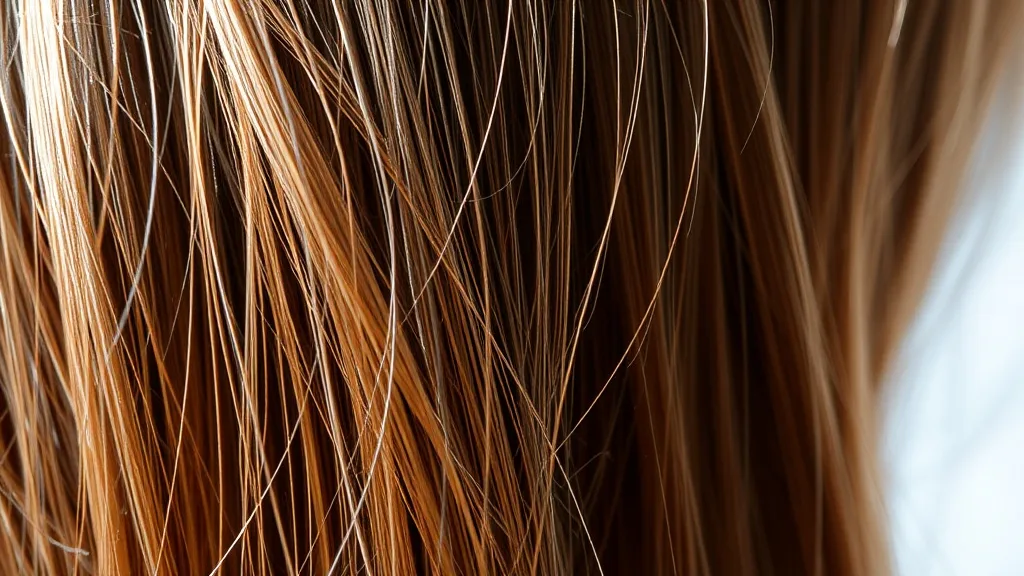
- Try multiple angles: A strand of hair can look different from root to tip—capture it all.
Choosing a Shade That Works On and Off Camera
Now that you know how light plays tricks, you can shop with wisdom. If you live for selfies, lean towards shades with neutral undertones—they tend to photograph more consistently. Ash browns, neutral blondes, and true reds (with balanced warmth and coolness) are camera-friendly. For the adventurous, jewel tones like emerald and sapphire are surprisingly reliable, as their intense pigments fight back against camera distortion. And remember: a wig's color in professional product shots is often taken under ideal studio lights. Always check customer photos for real-world clues.
The Emotional Truth: Embracing Your Wig’s Chameleon Nature
Here's the secret, my scholarly storyteller heart whispers: a wig that changes color in different lights is not flawed—it's magical. Each shift tells a story of the moment: the warm amber of a candlelit dinner, the crisp blue of a winter morning, the neon pulse of a concert. Your wig is a living accessory, reacting to the world around you. So next time you see a color variation in a photo, don't frown. Smile at the chameleon on your head, and know that you're capturing not just a shade, but a memory.
In the end, the truth about wig color variations is simple: your camera is not your enemy, but a co-creator of art. Adjust your settings, choose your lights, and above all, choose a color that makes your soul sing. Because whether in a photo or in person, your wig is a story—and you are its author.