Introduction
When it comes to wigs, most people obsess over hair quality, density, and color. But ask any seasoned wig wearer, and they'll tell you: the cap strap is where the magic—or disaster—happens. I've sold wigs from Marrakech to Manhattan, and I've seen it all: straps that snap, slip, or scar. Today, I'm pulling back the curtain on cap strap quality so you never get caught with a wig that won't stay put.
Why the Strap Matters More Than You Think
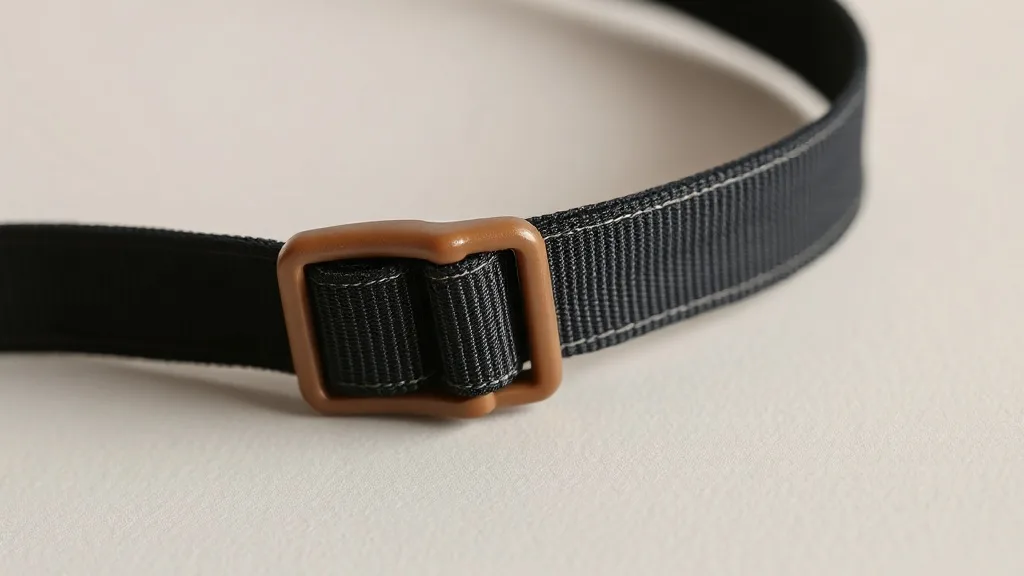
The cap strap is the unsung hero of wig security. A poorly made strap can lead to embarrassing shifts, discomfort, and even hair loss from tension. In extreme climates—like the Sahara, where I've made a name for myself—a faulty strap can mean the difference between a confident stride and a wig flying off in a sandstorm. Quality straps use durable elastic, adjustable tabs, and secure fastenings.
Materials: The Good, The Bad, and The Stretchy
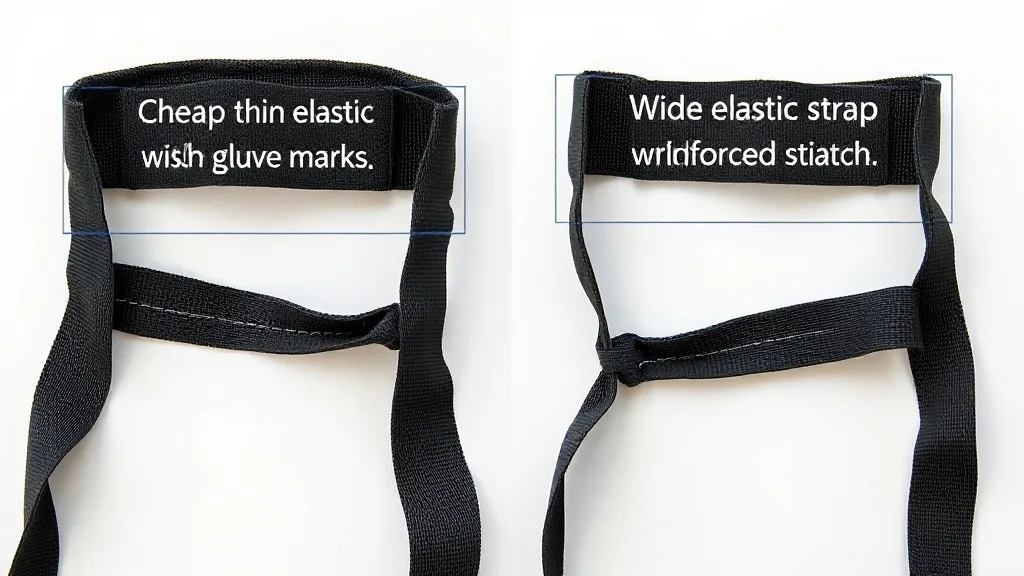
Not all elastic is created equal. The best straps use medical-grade silicone or high-retention polyester blends. Avoid thin, flimsy elastic that loses bounce after a few wears. Look for straps with a width of at least 1.5 cm to distribute pressure evenly. In my experience, straps with a velvety backing reduce friction and prevent slippage on sensitive scalps.
Adjustability: One Size Doesn't Fit All
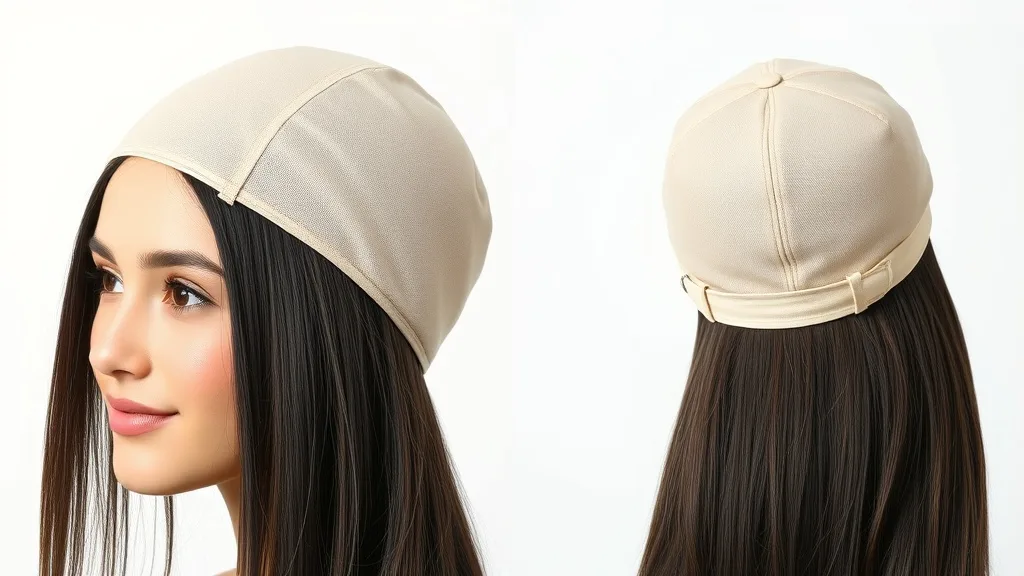
A great strap system allows for micro-adjustments. The industry standard is a set of three to five hook-and-loop tabs that let you fine-tune the fit. I've seen wigs with only two tabs—those are a recipe for disaster. Also, check the placement of the straps: they should sit at the nape of the neck and behind the ears, not on the crown, to avoid bulk.
Durability Testing: How to Spot a Weak Strap
Before you commit, give the strap a gentle tug. Does it stretch and snap back? Or does it sag? Look for reinforced stitching on the attachment points. A telltale sign of cheap construction is glue used instead of stitching. I've tested hundreds of wigs, and the ones that survive the harsh Sahel sun have double-stitched, heat-resistant elastic.
Common Strap Issues and Fixes
- Slipping: If your strap loosens during wear, try a silicone gripper or add a non-slip strip.
- Breaking: Reinforce weak points with a needle and thread—or replace the entire strap if it's beyond repair.
- Irritation: Opt for straps with a soft fabric covering to prevent itching.
Global Perspective: What Works Where
In humid climates, straps with moisture-wicking properties are gold. In dry, dusty environments like the Middle East, opt for straps that are easy to clean and resist sand buildup. I've customized straps for clients in over 30 countries, and the universal truth is: adjustability and material quality matter more than brand name.
Final Thoughts
Don't let a cheap strap ruin a good wig. Invest in quality, and your scalp will thank you. Remember, the best wig is one you forget you're wearing—and that starts with a strap you can trust.