

I'll be honest with you: I judge a wig by how little it asks of me. A $900 unit that needs plucking, tinting, gluing and a prayer every morning isn't luxury — it's a part-time job with a hairline. Real luxury is a wig you can throw on in ninety seconds while your coffee goes cold, and still have people ask if you got your hair done.
That's the lens for this guide. We're not chasing the longest hair or the biggest price tag; we're chasing the wigs that look like they grew out of your head — with as close to zero effort as human hair allows. Every pick below is judged on hairline realism, scalp realism, movement, color blend, and how forgiving it is on a lazy Monday.
What "Natural" Actually Means in Wig Terms
Natural isn't one single quality — it's about five stacked on top of each other. Get four right and the fifth will betray you in photos. Get all five right and nobody, including your hairdresser, will clock it.
- Hairline realism: a graduated, pre-plucked hairline with fine hairs at the front edge. A blunt wall of thick hair at the forehead is the fastest way to look wiggy.
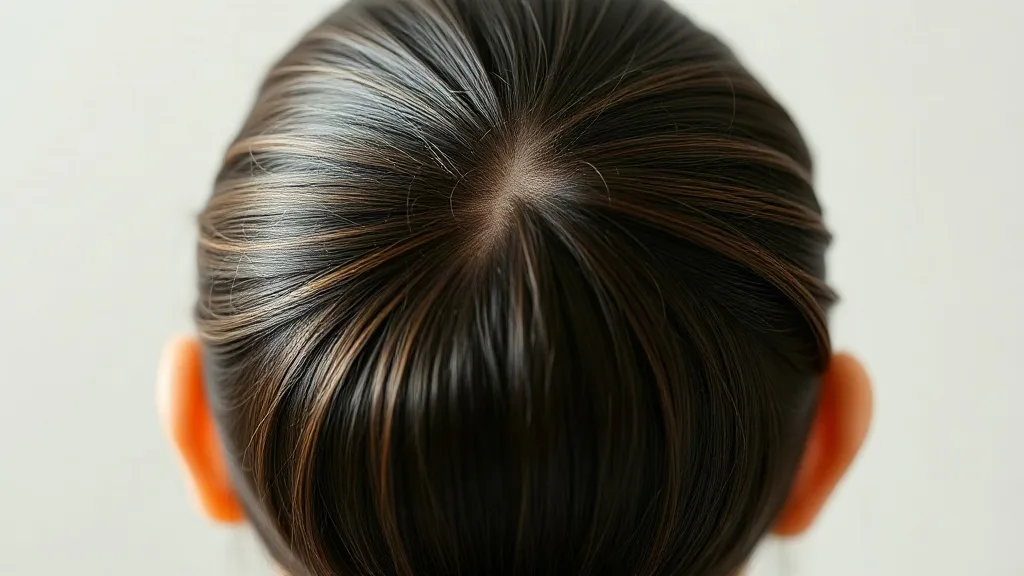
- Scalp realism: knots that have been bleached or hidden on silk or HD lace, so the part reads as skin rather than fabric.
- Density: believable density sits around 130-150%. Anything at 180% or more on a fine-haired person looks like a helmet, no matter how good the hair is.
- Movement: human hair that swings, separates and has a natural luster instead of a plastic shine. This is where low-grade hair gives itself away.
- Color: roots that are slightly darker, ends that are slightly lighter, and a tone that flatters your skin rather than the mannequin's.
The Luxury Fibers Worth Paying For
Not all human hair is created equal, and this is the single biggest reason two wigs that look identical online behave completely differently in real life. Luxury starts with cuticle-aligned, single-donor hair — meaning the strands come from one person and run in the same direction. That's why good hair doesn't tangle into a rat's nest at the nape after three wears.
- Virgin or Remy: cuticles intact and aligned. Less tangling, less shedding, better shine retention over time.
- Single donor: hair from one head. Blends better, colors more evenly, and simply lasts longer.
- Texture match: silky straight, body wave, kinky straight or curly — a texture close to your own natural pattern is what makes a wig look like yours.
- Origin matters: Indian, Brazilian, Mongolian and European hair each have different cuticle thickness. European hair is finer and often best for a delicate, fine-hair look; Mongolian and Brazilian tend to be thicker and more robust.
One warning I wish someone had given me: "Remy" and "virgin" are marketing terms as much as technical ones. If a listing brags about both but the price is $89, it isn't either of them.
Cap Construction: The Lazy Girl's Cheat Sheet
The cap decides whether you're spending two minutes or twenty in front of the mirror. Here's the blunt version.
- Lace front (13x4 or 13x6): the good middle ground. Realistic hairline at the front, stretchy and secure everywhere else. Best first luxury buy.
- Full lace: lace throughout, so you can part anywhere and wear high updos. Also the most fragile and the most expensive to maintain.
- HD or transparent lace: thinner, softer, melts into more skin tones. Worth the upgrade if you wear your hair away from your face.
- Silk top or silk base: a silk panel at the crown means no visible knots at all. The most undetectable part you can buy, and the most forgiving for beginners.
- Glueless construction: adjustable straps, combs, and a pre-cut, pre-plucked lace front. No adhesive, no glue remover, no 6 a.m. crisis. This is what luxury means when you're lazy.
The Best Luxury Human Hair Wigs for a Natural Look
Rather than list brands — which change stock, suppliers and quality almost seasonally — here are the specific configurations that consistently deliver a natural look. Match the config to your priority and you'll end up with something that behaves the way a luxury wig should.
Best Overall for Minimal Effort: Pre-Cut Glueless HD Lace Front in Body Wave
If you want one wig that does everything, this is it. A 13x4 or 13x6 HD lace front that arrives pre-plucked, pre-bleached and pre-cut, paired with a body wave texture, covers a multitude of sins: the wave disguises any imperfect blending at the part, the lace disappears at the hairline, and the glueless strap-and-comb system means you can install it in under two minutes. Body wave also air-dries well, so you can wash it, shake it out, and skip the styling tools entirely. That's the whole point.
Best for an Undetectable Part: Silk Top or Silk Base in Silky Straight
Straight hair shows everything — every knot, every grid, every shortcut at the part. That's why a silk top is worth the money if you wear your hair parted down the middle. The silk panel sits exactly where people look, and because knots are hidden beneath it, the scalp reads as actual scalp rather than lace. Pair it with fine, European-style hair at a lower density around 130%, and you get that "grew it myself" look. The trade-off is that silk tops need a little more care and don't love heavy styling products.
Best for Realistic Color Without Salon Visits: Rooted Balayage With a Natural Base
A single flat color is one of the loudest wig tells there is. Real hair is never uniform — it's darker at the root, lighter through the mid-lengths, and slightly warmer at the ends. A luxury human hair wig with a hand-painted rooted balayage, or even just a subtly rooted two-tone, looks dimensional in daylight and photographs beautifully. Bonus: roots mimic regrowth, and regrowth looks lived-in, so you can stretch the time between washes and touch-ups.
Best for Fine or Thinning Hair: Low-Density 130% on a Small or Petite Cap
This is the pick most people get wrong. If your bio hair is fine, a thick, high-density unit will look like a hat no matter how good the hair is. Fine hair needs a fine wig: 130% density or lower, smaller knot spacing, lighter strands, and a cap size that actually matches your head. A petite or small cap that hugs your skull properly will look more natural than a medium cap that gapes at the temples — and it'll sit flatter under a hat or a scarf.
Best for Long-Term Value: Virgin Remy With a Reinforced Cap and Adjustable Straps
Luxury isn't just how it looks on day one — it's how it looks on day ninety. Look for cuticle-aligned virgin Remy hair, a cap with reinforced stitching at the stress points, adjustable straps, and a lace front that's been cut with a small seam allowance rather than trimmed right to the edge. Cheap lace tears. Good lace survives a year of on-and-off wear if you're gentle with it, which, let's be honest, is the best any of us can promise.
The Details That Separate Good From Great
Two wigs can have identical fiber and wildly different results. These are the small spec details worth hunting for in the product listing before you hand over your card.
- Bleached or hidden knots — non-negotiable for a natural-looking part.
- A graduated, pre-plucked hairline with fine baby hairs at the edge, not a thick blunt line.
- 130-150% density for most people; go higher only if your own hair is genuinely thick.
- A natural, low-luster finish. High shine reads as synthetic even when the hair is real.
- Tone-matched lace. Lace that's too light or too dark fights your skin tone all day long.
- Consistent texture from root to tip, with no short flyaway strands woven in.
How to Keep It Looking Natural Without Working For It
The lazy truth: most wigs go from natural to obviously-a-wig because of maintenance habits, not because of the hair itself. Here's the routine I actually follow, and it takes about ten minutes a week.
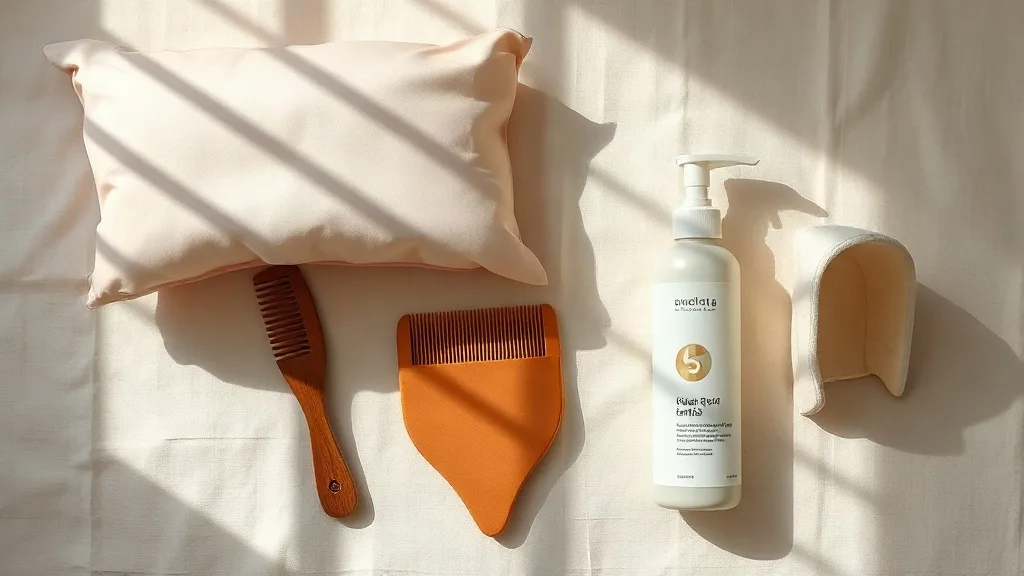
- Sleep on a satin or silk pillowcase — or a satin bonnet if you can tolerate one. Friction is what turns smooth hair into frizz.
- Wash every 8-12 wears with a sulfate-free shampoo, and always condition the mid-lengths and ends, never the knots.
- Skip heavy oils and serums at the root. They travel down, loosen knots and make the part look greasy.
- Air dry on a wig stand whenever possible. Heat is the second fastest way to age human hair after friction.
- Rotate two wigs if you can afford it. Giving each one a rest genuinely extends its lifespan.
- Store it on a mannequin head or in a satin-lined box — not crumpled in a drawer under a hair dryer.
What Luxury Actually Costs
Realistic numbers, so nobody gets blindsided: decent human hair wigs start around $250-$400. Genuine luxury — cuticle-aligned virgin hair, HD or silk top, hand-tied construction — typically runs $700-$1,500, and full lace or custom units can push past $2,000. Yes, that's a lot. But a good unit worn three or four times a week and cared for properly can last a year or more. Divide it out and it's often cheaper per wear than a salon visit every six weeks, and it doesn't leave you sitting in a chair for three hours.
Red Flags Before You Spend Luxury Money
- Prices under $200 for "virgin Remy full lace" — the math simply doesn't work.
- Stock photos of the same wig on twelve different faces.
- No way to check the lace color, cap size or density before purchase.
- Reviews that all appeared in the same week and use the same phrasing.
- No return policy on unaltered wigs. Luxury should come with confidence.
- Vague fiber descriptions like "premium blend" or "human hair blend" — that means synthetic mixed in.
The Bottom Line
The best luxury human hair wig for a natural look isn't the most expensive one — it's the one whose construction matches your own hair and your own tolerance for effort. For most people that means a pre-plucked, glueless HD lace front around 130-150% density in a texture close to your natural pattern, with rooted color and hidden knots. Everything above that is preference, not necessity.
And if your priority is rolling out of bed and looking like you tried? Buy the glueless one. Future you, still in pajamas at 8:55 a.m., will be grateful.