
The Premium Wig Question: A Designer's Perspective
As a wig designer who specializes in plus-size and larger cap sizes, I've had thousands of conversations that start with a sharp intake of breath at a price tag. 'Is a premium wig really worth it?' It's a fair question. When you're looking at $800, $1,500, or even $3,000, you want to know that you're not just paying for a label. You're paying for fit, comfort, longevity, and the kind of confidence that changes how you walk into a room. In my experience, the answer is often yes—but not always. Let's break it down.
What Makes a Wig 'Premium'?
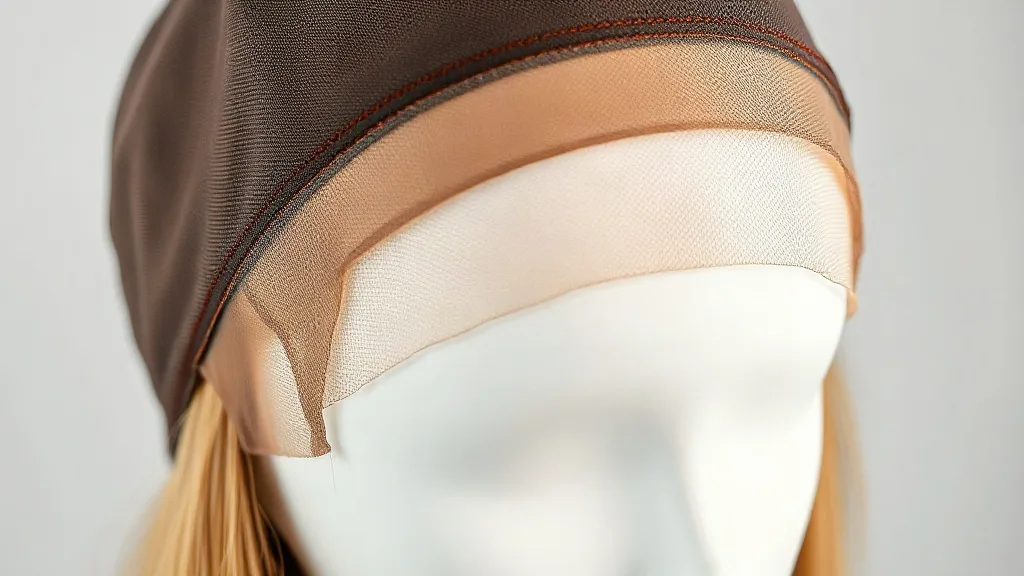
Premium isn't just a marketing word. It describes a set of specific features that affect how a wig looks, feels, and wears over time. At the top tier, you'll find 100% human hair (often Remy or virgin hair) with cuticles aligned in one direction to prevent tangling. The cap construction is where the real magic happens: hand-tied lace fronts that disappear against the skin, monofilament tops that allow for natural parting, and stretch lace panels that accommodate a range of head sizes. Cheaper wigs are often machine-sewn with thick wefts and bulky caps that can feel heavy and itchy. Premium wigs are crafted by hand, often taking 20 to 40 hours to complete.
- 100% human hair or high-grade heat-friendly synthetic fibers
- Hand-tied lace front and/or full lace cap for a natural hairline
- Monofilament or silk top for realistic parting and scalp appearance
- Adjustable straps and stretch lace for a custom-like fit
- Lightweight, breathable materials that reduce irritation
The Real Cost Breakdown: Upfront vs. Long-Term
Let's talk numbers. A premium human hair wig can cost anywhere from $700 to $3,000+, while a high-quality synthetic premium wig might run $300 to $800. That's a significant upfront investment. But the smarter metric is cost per wear. If you wear your wig daily, a $1,500 wig that lasts 18 months costs you about $2.74 per day. A $300 synthetic wig that lasts three months costs $3.33 per day—and it may not look or feel as good. Plus, premium wigs can often be repaired, re-colored, and re-styled, extending their life. Maintenance costs (washing, conditioning, re-taping lace) add maybe $20 to $50 per month if you do it yourself, or $100+ if you use a professional. Still, when you spread it out, the daily cost of a premium wig can be less than a daily coffee habit.
There's also the hidden cost of discomfort and replacement. I've seen clients spend $200 here and $150 there on cheaper wigs that never quite fit, only to finally invest in a premium piece that solves the problem. That's not saving money—that's wasting it.
Comfort and Fit: Why Cap Construction Matters More Than Price
This is where my heart lives. As a designer who focuses on plus-size wigs, I know that a wig is only as good as its fit. Many standard wigs are built on average-sized caps (around 21.5 to 22.5 inches in circumference). If your head is larger—23 inches or more—you've probably experienced the headache, the slipping, the pressure points, and the constant adjusting. Premium wigs often offer larger cap sizes, and their stretch lace and adjustable straps can accommodate a wider range. Some brands even offer custom cap sizing. That means no more migraines, no more wig grip headaches, and no more feeling like your wig is an afterthought. A premium wig that fits properly feels like it was made for you because, in many cases, it was. And that comfort translates to confidence: you're not thinking about your wig, you're just living your life.
Beyond size, premium caps use lighter materials and better ventilation. If you have a sensitive scalp, or if you wear your wig 12+ hours a day, this matters. A heavy, hot cap can make you miserable. A well-constructed premium cap can feel like a second skin.
Human Hair vs. Synthetic at the Premium Tier
Both human hair and high-end synthetic wigs can be premium. The choice depends on your lifestyle and budget. Human hair is the gold standard for realism and versatility. You can heat-style it, color it, and it moves like natural hair. It also lasts longer with proper care—typically 1 to 2 years of daily wear, sometimes more. But it requires more maintenance: you need to wash, condition, and style it regularly, and it can react to humidity. High-end synthetic wigs (like those made with heat-friendly fibers) are pre-styled, easy to wear, and hold their shape. They're great for low-maintenance wearers, but they can't be recolored, and heat styling is limited. They also tend to have a shorter lifespan—6 to 12 months with daily wear.
- Human hair: + natural look, + heat styling, + longevity, - high cost, - high maintenance
- Premium synthetic: + affordability, + easy wear, + pre-styled, - limited styling, - shorter lifespan
The Emotional and Practical Value of a Premium Wig
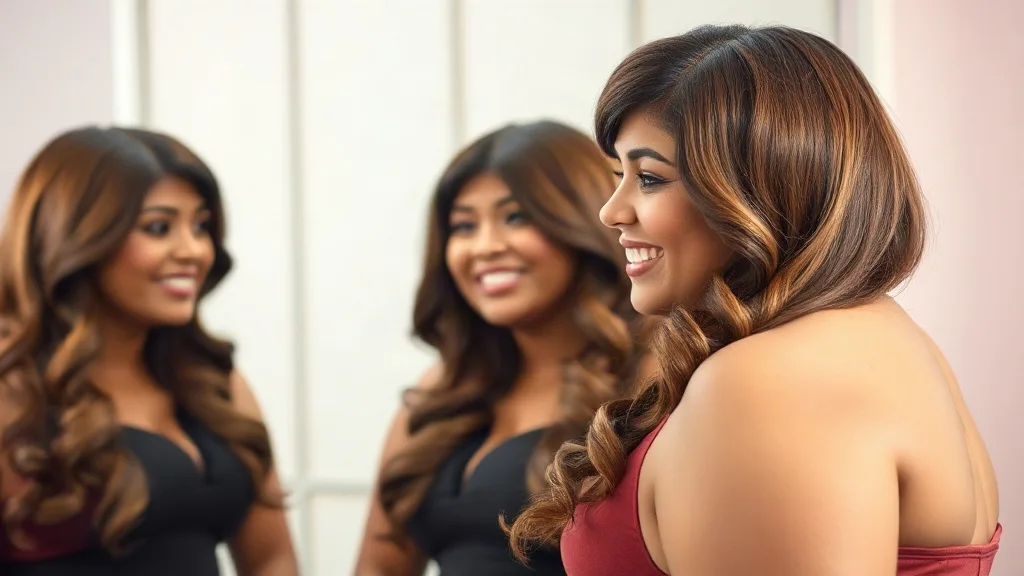
Let's not pretend this is only about dollars and cents. A wig can be a lifeline—for people experiencing medical hair loss, for those who simply want to change their look, for anyone who wants to feel more like themselves. A premium wig that fits well and looks natural can restore a sense of normalcy and joy. I've seen clients tear up when they see themselves in the mirror. That's not something you can put a price tag on. But it's worth acknowledging that the emotional value is real. When you feel good in your wig, you carry yourself differently. You make eye contact. You laugh more easily. That's a return on investment that no spreadsheet can capture.
And from a practical standpoint, a premium wig often means less time fussing. You're not constantly adjusting, re-taping, or hiding thinning edges. You're not buying a new wig every few months. You're investing in something reliable.
When Premium Wigs Are Worth It (and When They're Not)
I'm not here to tell you to spend money you don't have. Premium wigs are worth it if: you wear a wig daily or almost daily; you have a larger head size or sensitive scalp; you want the most natural look possible; you're willing to care for it; and you see it as a long-term investment. They're probably not worth it if: you only wear wigs occasionally for cosplay or special events; you're on a tight budget and a mid-range wig would meet your needs; you like to change your style and color frequently; or you're not ready to commit to the maintenance. In those cases, a high-quality synthetic wig or a mid-range human hair blend might be a better fit.
The key is honesty with yourself about how you'll use it. If a premium wig sits in a box because you're afraid to ruin it, that's not a good investment. If you wear it three times a week and it makes you feel amazing, it is.
How to Choose a Premium Wig That's Right for You
Before you buy, do your homework. Here's my checklist:
- Measure your head circumference accurately (use a soft tape measure around your hairline, just above your ears, and around the back of your head).
- Look for brands that offer extended cap sizes or custom sizing—especially if your measurement is over 22.5 inches.
- Check the cap construction: lace front for a natural hairline, monofilament top for parting, and stretch lace for comfort.
- Read return policies carefully. A premium wig should come with a trial period or at least a restocking option.
- Consider the fiber: human hair for versatility, heat-friendly synthetic for low maintenance.
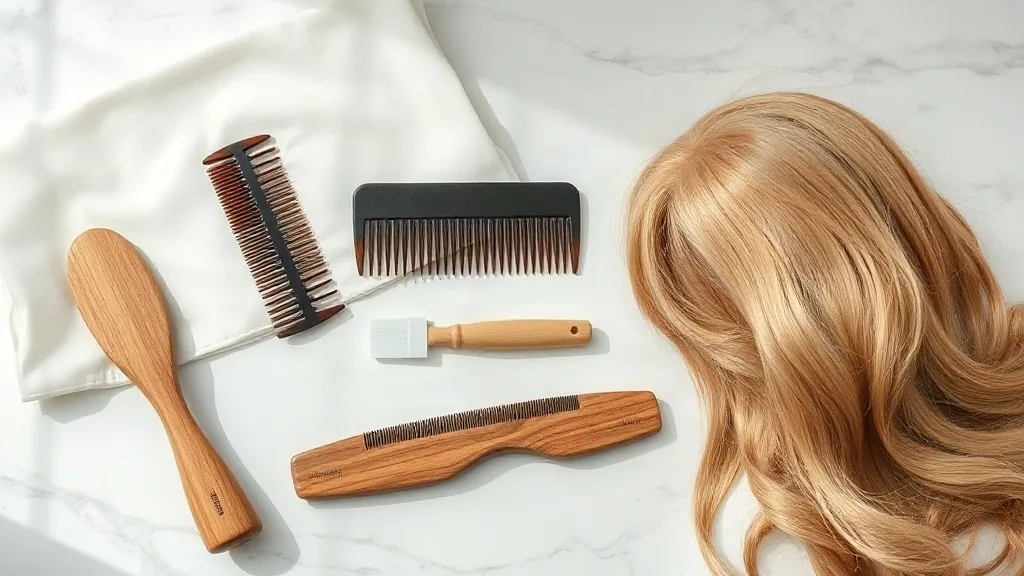
- Budget for maintenance: wig shampoo, conditioner, a stand, and possibly a professional stylist.
- Ask about the warranty and repair services. Some premium brands offer re-taping, re-coloring, and repairs.
Our Verdict: The Wigplace Expert Review
So, are premium wigs worth the investment? For many people, absolutely. They offer superior comfort, a more natural appearance, and a longer lifespan that can actually make them more economical per wear. They also provide something less tangible: the freedom to stop worrying about your hair and start living your life. But the decision is personal. If you're considering a premium wig, focus on fit first, then material, then style. And remember: your head size is not a problem to be solved—it's just a measurement. The right wig will fit you, not the other way around. At Wigplace, we believe everyone deserves a wig that feels like it was made for them. Because it should be.