The Promise of Tangle-Free
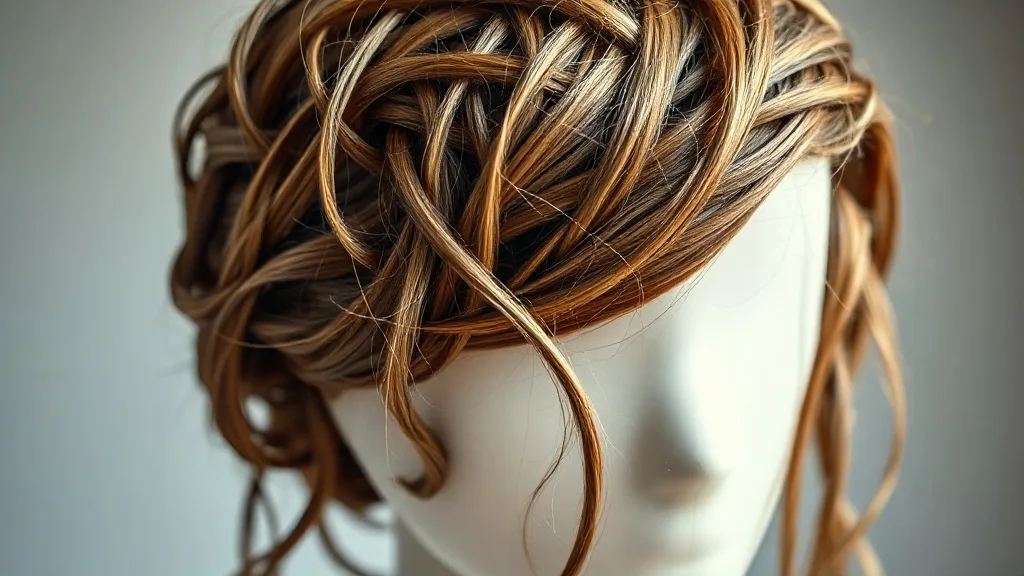
Let’s be real: we’ve all seen those ads promising “100% tangle-free human hair wigs” and thought, “Finally, a wig that won’t turn into a bird’s nest!” I’ve been collecting wigs for over a decade—yes, I have a lock of Justin Bieber’s wig in my archive—and I can tell you from experience: that promise is pure marketing fluff. Human hair, like the hair on your head, tangles. Period. But don’t take my word for it; let’s dig into why this myth persists and what you can actually expect.
Why Human Hair Tangles
Human hair is made of cuticles—tiny overlapping scales that open and close with moisture, heat, and friction. When those cuticles are misaligned (like after washing or brushing), they catch on each other, creating tangles. Even the highest-quality Remy hair, where cuticles are kept intact and aligned, will tangle if you sleep on it, wear it in wind, or skip conditioner. The difference between “tangle-free” marketing and reality is that quality hair tangles less—not never. Low-grade hair with mismatched cuticles is a matting nightmare.
The Role of Hair Quality
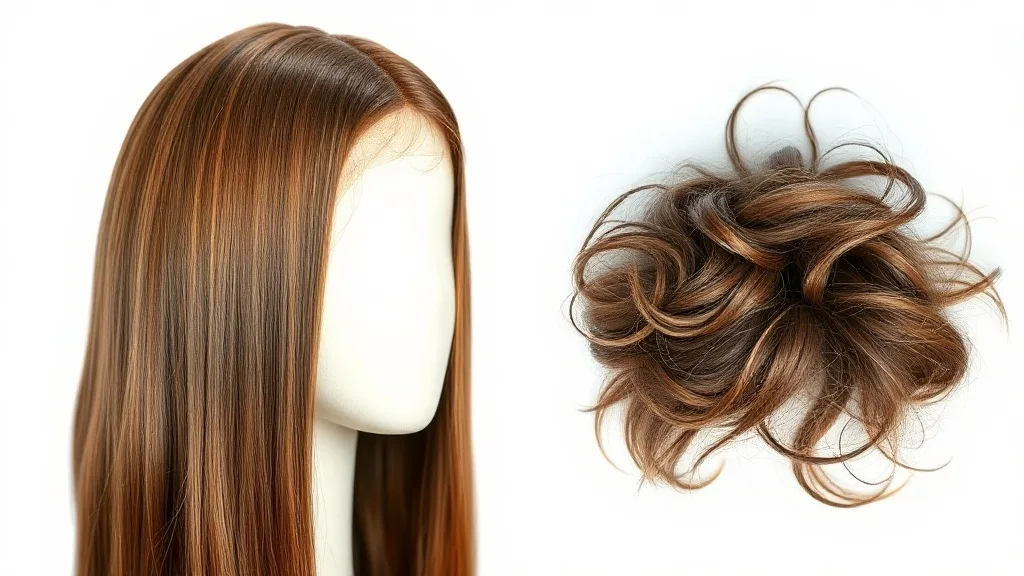
I’ve owned wigs made from virgin Indian hair, Brazilian hair, and even celebrity-sourced strands. Here’s the truth: Remy hair is the gold standard because cuticles point in the same direction, reducing friction. But even Remy tangles after a few days of wear. Non-Remy hair? Forget it—a tangled mess within hours. The myth of “tangle-free” often comes from sellers using cheap, chemically processed hair coated with silicone to fake a smooth feel. Once you wash that silicone off, the real texture shows—and it knots up fast.
Maintenance Is Key
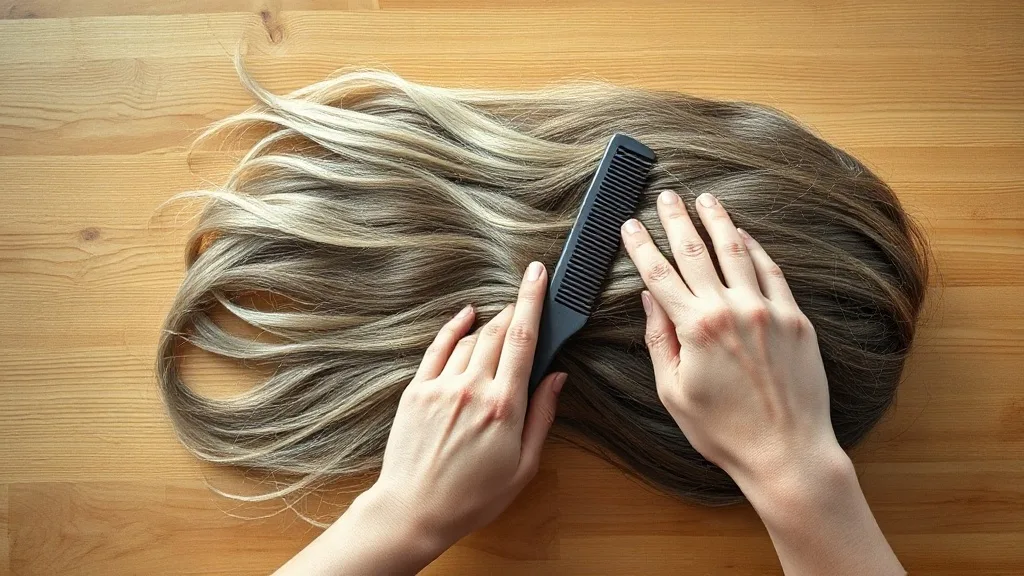
If you want your human hair wig to stay silky, you must treat it like your own hair—maybe better. That means: wash with sulfate-free shampoo, deep condition weekly, use a leave-in detangler, and avoid sleeping in your wig. A wide-tooth comb and steady hand are your best friends. I once forgot to condition a $2,000 celebrity replica wig after a night out—the next day, I spent two hours detangling. Lesson learned.
My Personal Experience
I own over 80 wigs, from budget Amazon buys to hand-tied museum pieces. My Justin Bieber lock? I keep it in a sealed case because it’s tangle-free only because it’s never worn! The wigs I actually wear—my beloved Scarlett Johansson-inspired lob—need TLC. I obsess over care routines, and I still get tangles. It’s part of the game. So when I see a brand claiming zero tangles, I know they’re selling a lie.
Recommendations for Reducing Tangles
- Always detangle from the bottom up, using a wide-tooth comb or a wig brush.
- Use a silk or satin pillowcase if you must sleep in your wig.
- Apply a lightweight leave-in conditioner or argan oil daily.
- Avoid excessive heat styling—use low temperatures and heat protectant.
- Store wigs on a mannequin head or in a silk bag to prevent friction.
- Wash every 7–10 wears to remove product buildup that causes tangling.
Conclusion
The next time you see a “tangle-free” human hair wig, take it with a grain of salt. No hair—human or synthetic—is completely immune to tangling. What matters is quality, care, and realistic expectations. As a collector who’s seen it all, I’d rather have a wig that tangles but feels beautiful than one that’s been chemically stripped into submission. Embrace the tangles—they’re proof it’s real hair.