

Introduction: Itchy Wig, Itchy Attitude
I've seen a lot of things in my wig coloring career. I've matched copper to a parrot's plumage, turned a silver bob into a rainbow explosion, and once had a client who wanted her wig to smell like sushi. But the one problem that keeps cropping up – and I mean literally cropping up as red, angry bumps – is the so-called 'hypoallergenic' wig cap. Clients come to me frustrated, thinking they're allergic to wigs themselves, but nine times out of ten, it's the cap. And here's the kicker: that label that says 'hypoallergenic'? It's about as reliable as a five-second hold with hairspray.
What Does 'Hypoallergenic' Even Mean?
Let's get real. In the United States, the term 'hypoallergenic' has no legal definition or regulation. That's right – companies can slap it on anything from foundation to wig caps without any testing or proof. It's like saying a color is 'radiant' – it sounds nice, but it's meaningless. So when you see a wig cap labeled hypoallergenic, all it really means is that the manufacturer *claims* it's less likely to cause an allergic reaction. But what's actually in that cap? Latex? Nylon? Polyurethane? Those are common allergens disguised under a fancy term.
The Common Culprits: Latex, Nylon, and More
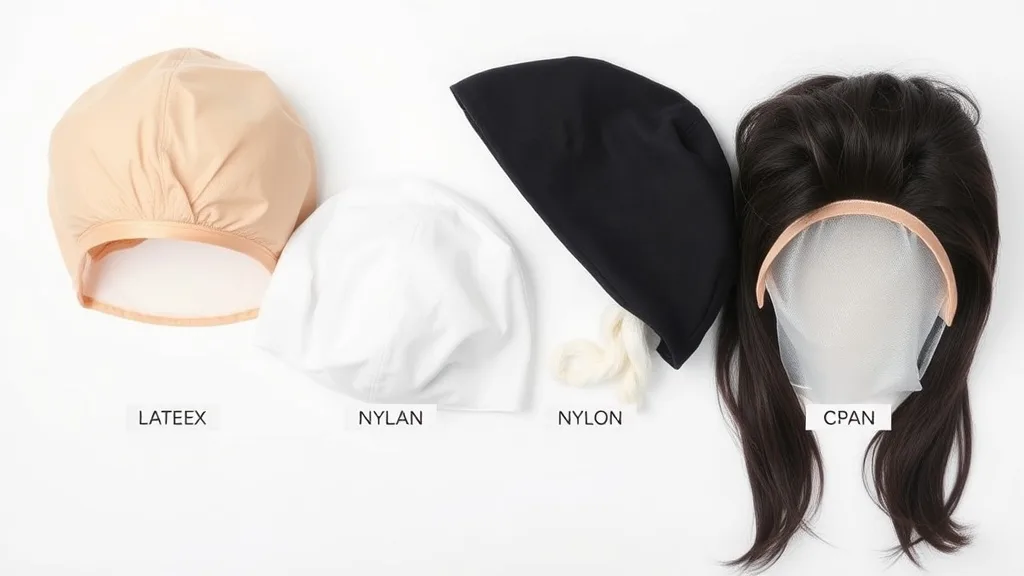
Most wig caps are made from a blend of materials, and some of those materials are notorious allergens. Latex is a big one – it's cheap, stretchy, and used in many standard wig caps. But up to 6% of the general population has a latex allergy, and that number is higher among healthcare workers and people with spina bifida. Nylon is another offender – it's not a true allergen, but it can cause contact dermatitis due to friction and lack of breathability. And then there's polyurethane, often used in 'skin' caps, which can trap heat and cause sweat-induced rashes. Even 'lace' caps can have adhesives that trigger reactions. The moral? Don't trust the label; trust your skin.
Why 'Hypoallergenic' Is Often a Marketing Term
Here's the ugly truth: many companies use 'hypoallergenic' as a marketing gimmick to sell more caps. They know that wig wearers with sensitive skin are desperate for solutions, so they slap that word on a package and jack up the price. I've tested caps that claim to be hypoallergenic but still contain latex or harsh dyes. It's like calling a wig 'color-safe' when it bleeds all over your pillow. The only way to know if a cap truly works for you is to look at the ingredient list – yes, caps have ingredients – and patch test before committing. And please, avoid anything that says 'natural rubber latex' unless you want to look like you have a bad case of poison ivy.
How to Choose a Cap for Sensitive Skin
Okay, so if 'hypoallergenic' is fake news, what should you look for? First, opt for caps made from 100% cotton or bamboo viscose – they're breathable, soft, and rarely cause reactions. Next, look for 'silk-lined' or 'velvet-lined' caps; the extra layer between your scalp and the wig material can reduce friction. For a truly seamless look, try a monofilament cap – it's made from fine polypropylene that's less likely to irritate, and it gives a natural hairline. And if you must use a lace cap, choose one with an adhesive that's specifically labeled 'hypoallergenic' and 'medical grade' – but even then, patch test first. Apply a small piece to your arm or behind your ear for 24 hours. If no redness, you're golden.
The Bottom Line: Be Your Own Advocate
In the world of wigs, 'hypoallergenic' is a colorful word without a lot of pigment. Don't let a marketing term dictate your comfort. Read labels, ask questions, and don't be afraid to return a cap if it leaves your scalp looking like a tomato. Your wig should be your crown, not your enemy. And if you're still not sure? Come see me – I'll dye your wig any color you want, but I'll also make sure your cap is something you can actually wear. Because a perfect wig starts with a happy scalp.
Conclusion: No More Cap Drama
So next time you see 'hypoallergenic' on a wig cap, remember: it's a myth wearing a disguise. Don't let it fool you. Choose materials that love your skin, and you'll be rocking that wig with confidence – and without the itch. Now, if you'll excuse me, I have a client who wants her wig to smell like mangoes. Some things are just worth the challenge.