
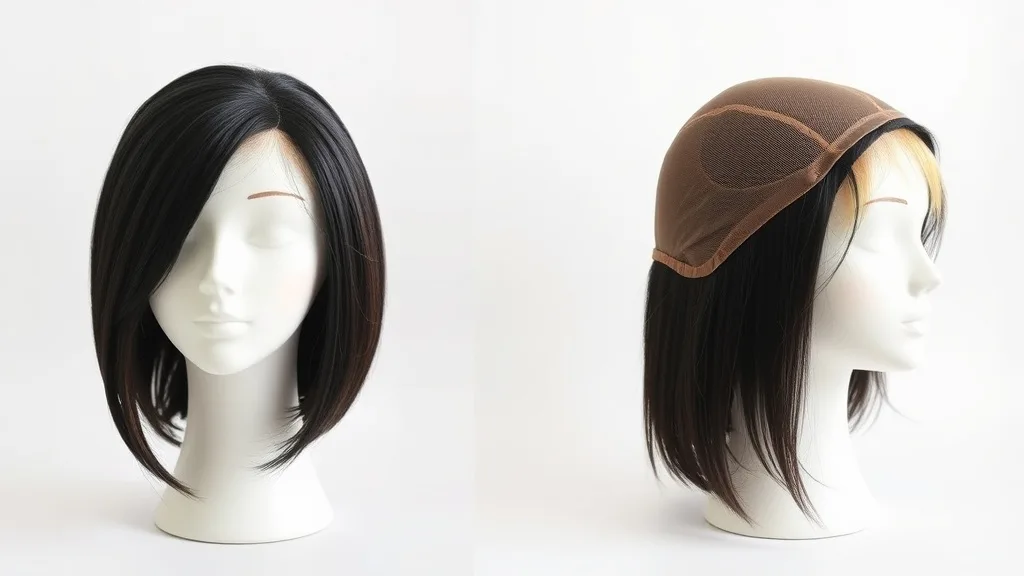
Honey, let's get one thing straight: your wig is your crown. Whether you're stepping onto a drag stage or just want to turn heads at brunch, the cap construction of your wig is the unsung hero of your look. I've been crafting wigs that defy gravity for years, and trust me, not all caps are created equal. Let's break down the construction types so you can find your perfect fit.
Lace Front Wigs: The Showstopper's Secret
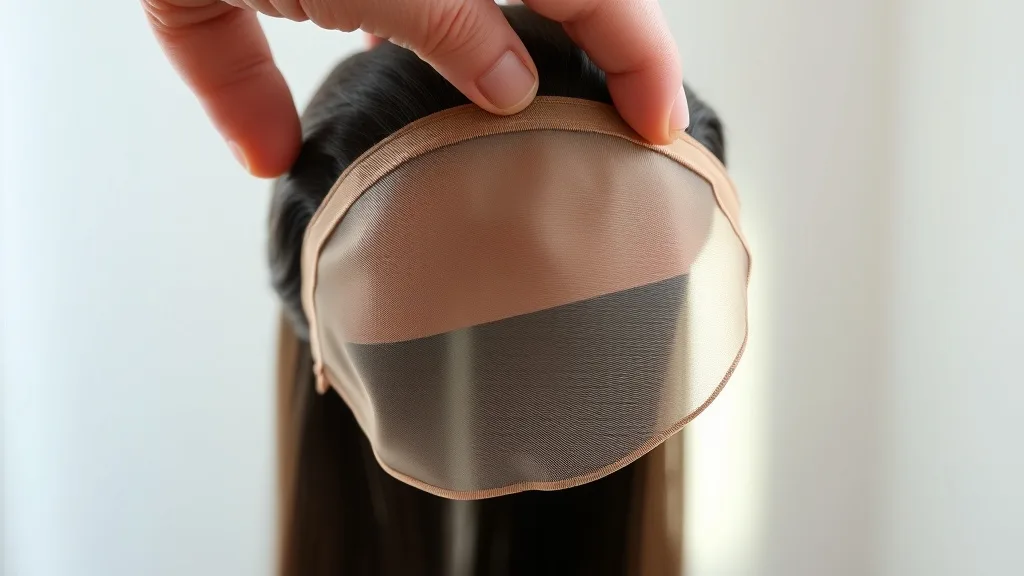
Lace front wigs are the holy grail for drag queens and anyone who wants a natural-looking hairline. The lace is only at the front, usually from temple to temple, and the rest is machine-made. This gives you the illusion of hair growing from your scalp without the full lace price tag.
- Pros: Realistic hairline, breathable, affordable
- Cons: Limited parting options, less ventilation in back
Full Lace Wigs: Total Versatility
If you want to throw your wig up in a high ponytail or part it anywhere, full lace is your friend. The entire cap is made of lace, so you can style it however you want. It's the ultimate choice for maximum flexibility.
- Pros: Can be styled in any direction, natural look, lightweight
- Cons: More expensive, delicate, requires careful maintenance
Monofilament Wigs: The Natural Look
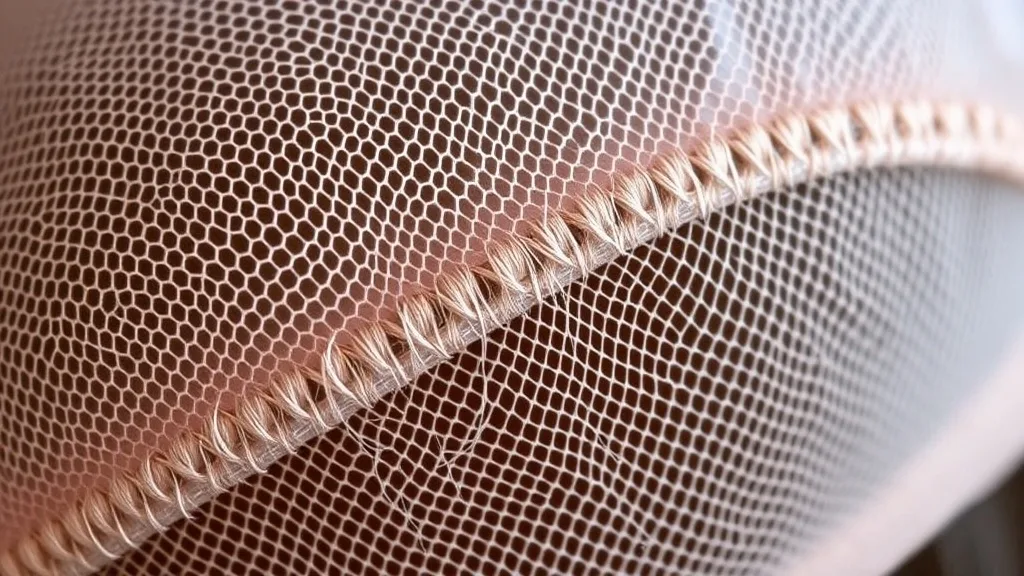
Monofilament wigs have a fine mesh at the top where each hair is tied individually, giving the illusion of natural growth from the scalp. This is perfect for those with thinning hair or sensitive scalps.
- Pros: Realistic scalp effect, comfortable, versatile parting
- Cons: Heavier, can be hot, higher cost
Capless Wigs: Light and Breezy
Capless wigs (also called open-cap) have wefts sewn onto strips with open space between. They're super light and breathable – perfect for summer or if you're dancing up a storm on stage.
- Pros: Lightweight, cool, affordable
- Cons: Less natural appearance, fewer styling options
Hand-Tied vs. Machine-Made: The Construction Showdown
The construction method matters almost as much as the cap type. Hand-tied wigs have each hair individually knotted, offering the most natural movement. Machine-made wigs are quicker to produce but can look stiff.
- Hand-tied: More realistic, lightweight, but expensive
- Machine-made: Affordable, durable, but less natural
Pick Your Perfect Cap
At the end of the day, your wig cap is the foundation of your fierceness. Whether you go for lace front, full lace, monofilament, or capless, choose what makes you feel like the queen you are. And remember: a well-constructed wig can withstand even the most dramatic hair tosses. Now go slay, diva!