
Introduction
Choosing the right wig cap size is crucial for both comfort and appearance. A well-fitted wig stays secure, feels lightweight, and looks like your natural hair. In this guide, I'll walk you through everything you need to know—from measuring your head to understanding cap types and sizes. Let's find your perfect fit!
Why Wig Cap Size Matters
Wearing a wig that's too tight can cause headaches, tension, and even hair loss. A loose wig, on the other hand, may shift, slip, or look unnatural. The right cap size ensures the wig sits comfortably on your scalp, stays in place throughout the day, and allows proper ventilation. It also prevents damage to your natural hair and edges.
How to Measure Your Head for a Wig
To find your cap size, you need three key measurements: circumference, front to nape, and ear to ear. Use a flexible measuring tape and follow these steps:
Write down each measurement in inches or centimeters, and compare them to the size chart below.
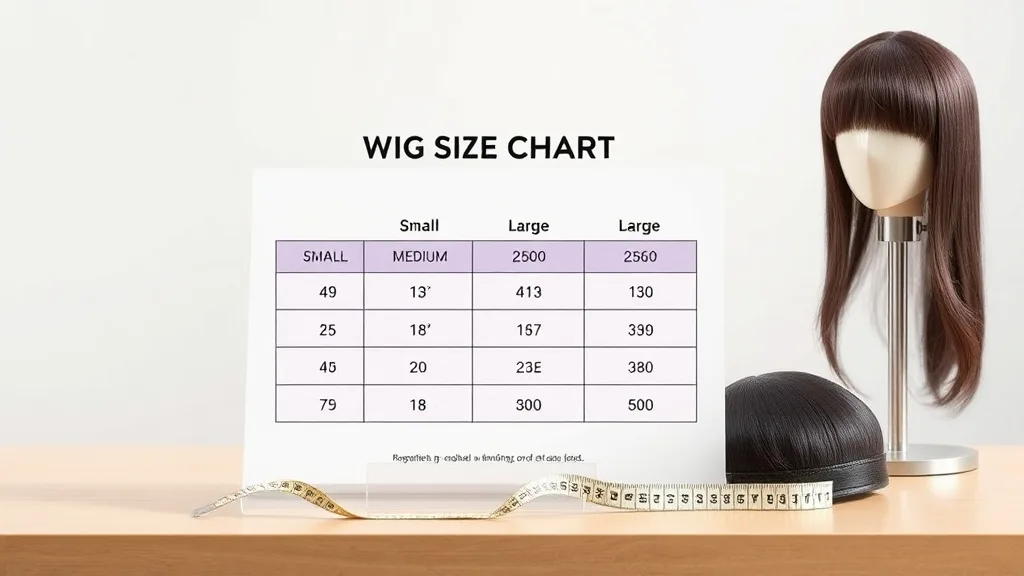
Wig Cap Size Chart
Most wig manufacturers use standard sizes: Small, Medium, and Large. Here's a typical chart (in inches):
If your measurements fall between sizes, opt for the larger size and use wig grips or adhesive for a secure fit.
Types of Wig Caps
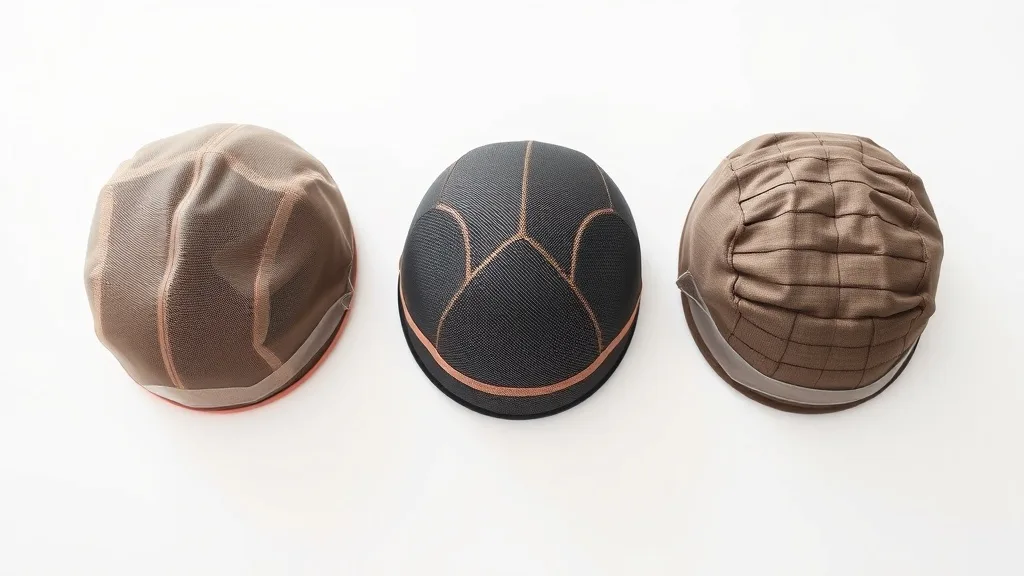
Different cap constructions affect fit and comfort. Here are the most common:
- Lace Front Caps: A sheer lace panel at the front allows for a natural-looking hairline. Good for off-the-face styling.
- Full Lace Caps: The entire cap is made of lace, allowing for versatile parting and updos. More breathable but requires more maintenance.
- Monofilament Caps: A thin, flesh-colored mesh at the crown gives the illusion of hair growing from the scalp. Lightweight and comfortable.
- Basic Caps (Wefted): The most affordable option, with hair sewn onto wefts. Less breathable but durable.
- Hand-Tied Caps: Each hair is individually knotted by hand, offering the most natural movement and comfort. Often more expensive.
Tips for Finding the Perfect Fit
- Always measure your head before buying, even if you've worn wigs before. Your head shape can change over time.
- Consider your hair density: thinner hair may require a smaller cap, while thicker hair may need a larger size.
- Adjustable straps and combs can help customize the fit. Look for caps with at least two adjustable straps.
- If you're between sizes, choose the larger size and use a wig grip or adhesive band for a snug fit.
- Try on wigs with a wig cap underneath to mimic the thickness of your natural hair.
- Don't be afraid to trim the lace on lace front wigs for a custom fit.
Conclusion
Finding the right wig cap size doesn't have to be a challenge. With accurate measurements and a little knowledge about cap types, you can enjoy a wig that feels like it was made just for you. Remember, comfort and confidence go hand in hand—so take the time to measure, try, and adjust. Happy wig shopping!