
The Illusion of Invisibility
On stage, the best costume is the one the audience never sees. The same holds true for wigs: the most convincing hairline is the one that disappears. As a theater costume designer turned wig obsessive, I’ve spent years staring at lace under harsh lights—and I can tell you, transparency is everything. Whether you’re a first-time wearer or a seasoned queen, mastering the art of evaluating lace transparency will elevate your wig game from obvious to ethereal.
What Makes Lace Transparent?
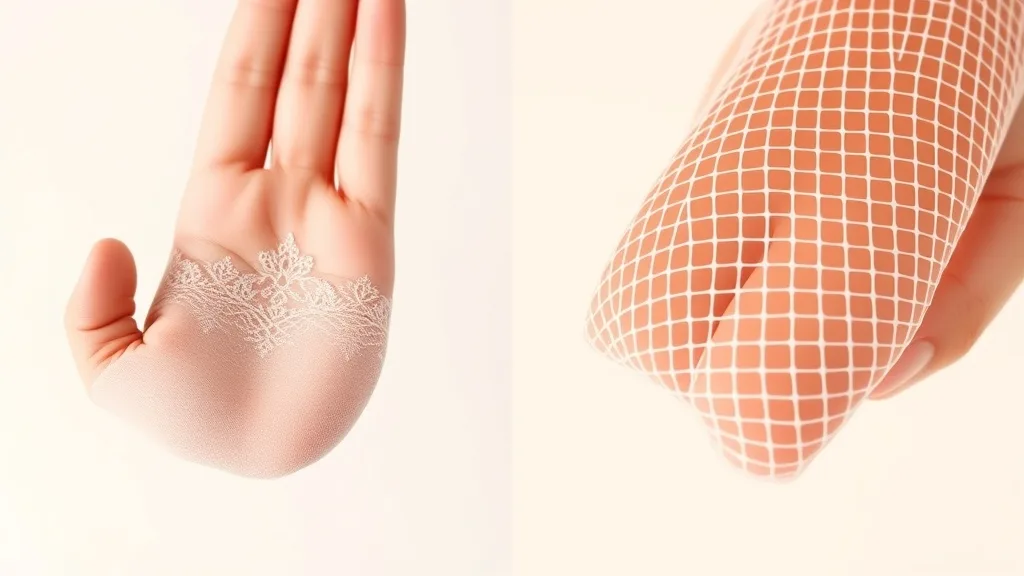
Transparency isn’t just about the material—it’s about how light interacts with the fibers and your skin. High-quality lace (Swiss, French, or HD) is thinner and more delicate, allowing your natural scalp to peek through. Coarse, thick lace will always read as a barrier, no matter how well you blend. But here’s the catch: too thin can mean fragile. You’re looking for that Goldilocks sweet spot—strong enough to handle tension, sheer enough to vanish.
- Swiss Lace: Ultra-fine, invisible against light skin tones, but can be delicate.
- French Lace: Slightly thicker, more durable, ideal for medium to dark skin tones.
- HD Lace: The new standard—nearly transparent, melts into all skin tones, often pre-plucked.
The Touch Test: Feel the Difference
I always start with my fingertips. Slide your thumb and forefinger over the lace—can you feel the grid? A good transparent lace will almost disappear between your fingers. If you detect a distinct texture, that lace will be visible on your forehead. Think of it like stage tulle: the finest netting dissolves in the spotlight.
The Visual Check: Lighting Matters
Step into natural light. Hold the lace against your skin—not just the hairline area, but also your temples and nape. Look for color mismatch or an obvious grid. The best lace will create a seamless gradient. I recommend a daylight or LED ring light to simulate harsh lighting conditions (think outdoor selfies or wedding ceremonies). If it passes there, you’re golden.
The Knot Factor: Ventilation and Density
Lace transparency is only half the battle—those tiny knots where hair is tied can ruin the illusion. Single knots are almost invisible; double knots provide durability but can appear as dark dots. For maximum transparency, look for hand-tied single knots with a realistic density (120-150% is typical). And always check the hairline: pre-plucked or bleached knots are essential for a natural look.
Skin Tone Matching: The Ultimate Test
I often ask wig shoppers: “What color is your scalp?” Most don’t know. Scalp tones vary from ivory to olive to deep ebony. A transparent lace should blend into that background, not create a white or beige halo. For pale skin, Swiss lace in a transparent or light shade works. For darker skin, brown or dark brown lace is non-negotiable. And for olive or neutral tones, try HD lace in a medium brown. Remember: if the lace is toned too cool or too warm, it will show.
The Melt: Application and Adhesives
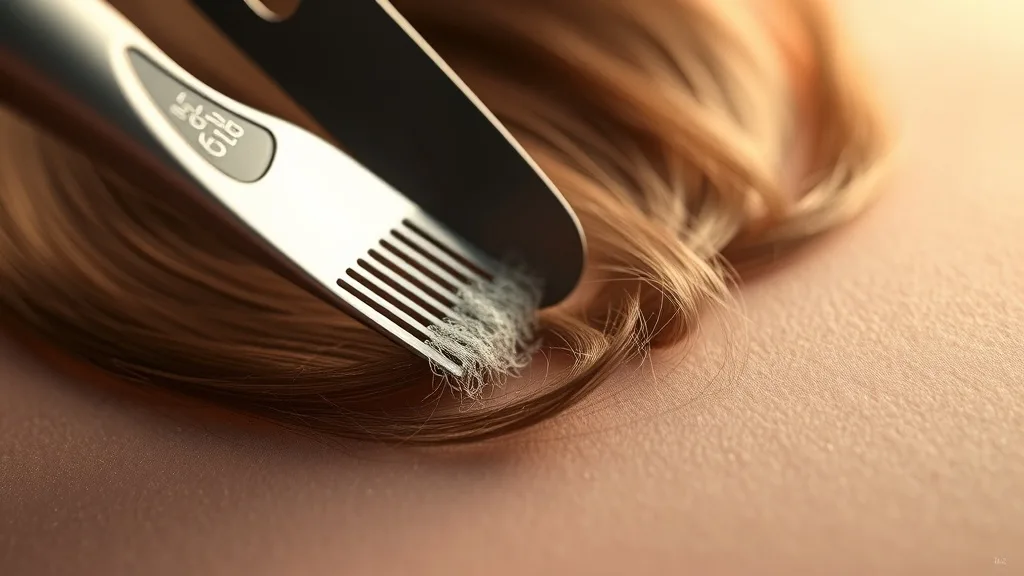
Even the most transparent lace can fail with poor application. Use a high-quality tape or glue that dries clear or matches your skin tone. After applying, press the lace down and use a hot comb (low heat) to melt the edge. Then, dust with a bit of concealer or scalp powder to eliminate any shine. The goal is to create a single, uninterrupted plane from forehead to hairline.
Putting It All Together: Your Evaluation Checklist
- Step 1: Feel the lace – is it smooth or textured?
- Step 2: Hold it against your skin in natural light.
- Step 3: Examine the knots – are they bleached or visible?
- Step 4: Check the color – does it match your scalp?
- Step 5: Test the application – does it blend after melt?
Remember: your wig should be a secret, not a statement. With these skills, you’ll spot a winning lace every time. Now go forth and let your hairline disappear.