Introduction: More Than Just a Wig
Your wig isn’t just an accessory — it’s an investment in your confidence, your style, and your daily identity. When I first started wearing wigs after losing my hair to alopecia, I treated them like delicate treasures. But I quickly learned that how you store a wig can make or break its lifespan. After years of trial and error — and a few heartbreaking ruined wigs — I’m here to share the real truth: storage method absolutely affects how long your wig stays gorgeous.
The Science of Wig Fibers
Before we dive into storage, let’s talk about what your wig is made of. Human hair wigs are porous and susceptible to environmental damage — just like your natural hair. Synthetic fibers are more resilient but have their own quirks, like heat sensitivity and static. Both types suffer when stored improperly: sunlight fades color, heat dries out fibers, moisture causes mold, and pressure creates permanent dents. Understanding your wig’s material is the first step to choosing the right storage method.
Common Storage Mistakes That Shorten Wig Life
- Tossing your wig in a drawer or hanging it by the clips – leads to tangling and deformed caps.
- Leaving it in direct sunlight or near a heat vent – causes fading, drying, and brittleness.
- Storing a wet or damp wig – invites mildew and odor.
- Using cheap plastic bags that trap static – frizz city.
- Piling wigs on top of each other – creates permanent creases and flat spots.
Best Storage Practices for Every Wig Type
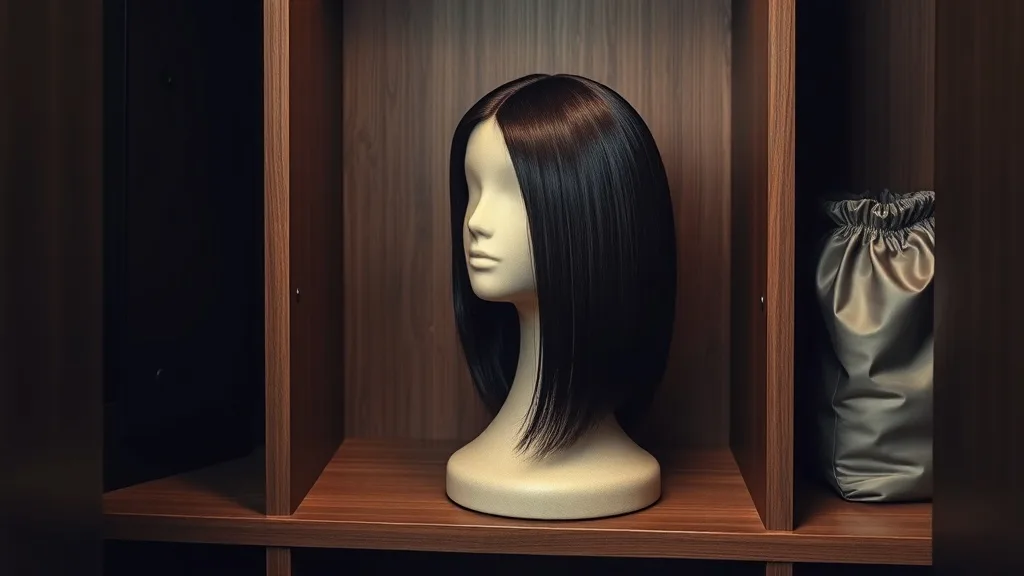
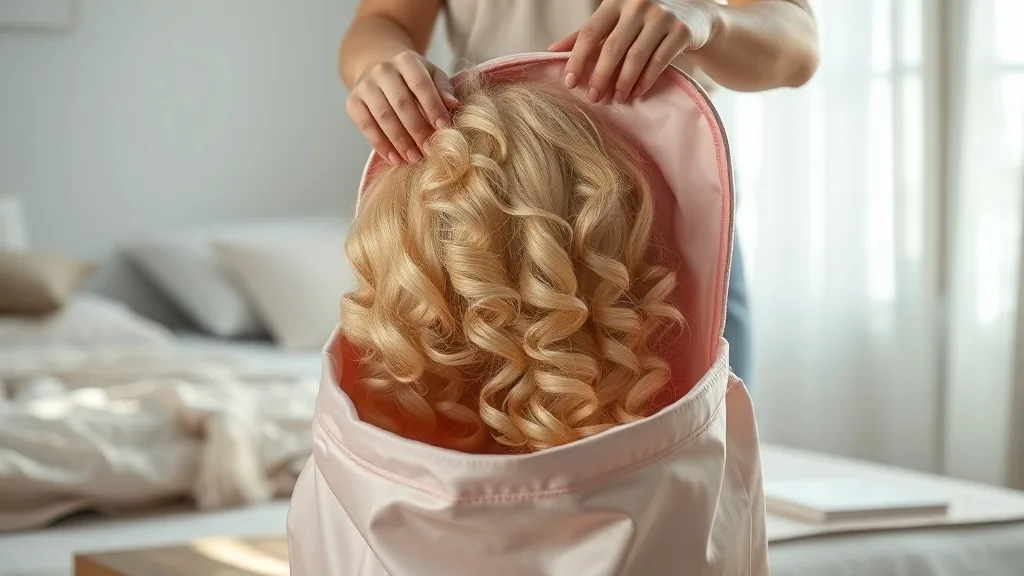
For human hair wigs: use a breathable wig stand or a mannequin head to maintain shape. Keep it in a cool, dark closet — a silk or satin bag adds extra protection. For synthetic wigs: avoid heat at all costs. A wig stand is still best, but if you have multiple wigs, stackable wig boxes with individual compartments keep them separate and safe. Always ensure your wig is completely dry before storing, and never use metal clips or hangers that can snag fibers.
Does Method Really Affect Lifespan?
Short answer: yes. Long answer: I’ve personally tested this. My first wig — a gorgeous auburn human hair piece — lasted only 6 months because I stored it on a hook in the bathroom (humidity and heat nightmare). My current wigs? I rotate three human hair units, and each lasts over a year because I store them properly on stands in a UV-free, temperature-controlled space. Synthetic wigs also benefit — a properly stored synthetic wig can last 6–12 months, while a carelessly stored one might fall apart in 3.
My Personal Wig Storage Routine
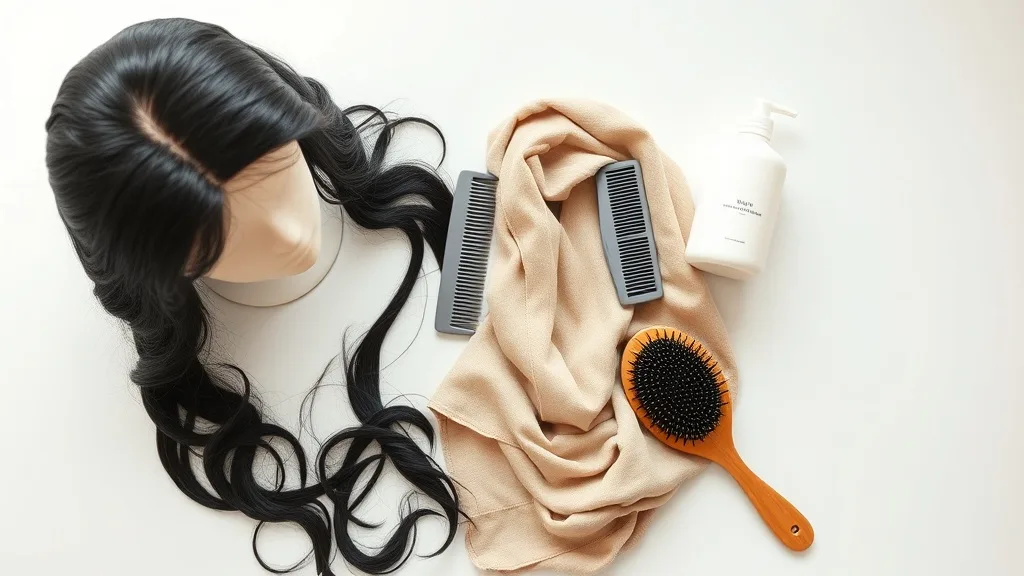
Every night, I gently brush my wig, spray it with a leave-in conditioner (if human hair), and place it on a padded wig stand. I keep my wigs in a dedicated drawer lined with satin, away from windows. For travel, I use a silk wig bag and a collapsible stand. It sounds like a lot, but once it becomes a habit, it takes two minutes — and it saves you hundreds of dollars. Plus, nothing beats the feeling of putting on a wig that looks as fresh as the day you bought it.
Conclusion: Take Control of Your Wig’s Destiny
Your wig storage method isn’t just about organization — it’s about respect for your investment and your own journey. Whether you’re bald by choice or circumstance, learning to care for your wigs is part of rocking them with confidence. So go ahead, upgrade your storage game. Your wigs — and your future self — will thank you.