I keep my wigs in vacuum-sealed bags. I label them, rotate them, and inspect them for dust mites with a flashlight. So when I say a shampoo is gentle, I mean it passed a test that most people would call excessive. Wig hair is not scalp hair. It does not get natural oils, it cannot repair itself, and it holds onto residue like a magnet. The wrong shampoo can strip color, loosen knots, and turn a silky lace front into a crunchy, dust-attracting mess. The right one keeps fibers clean, soft, and ready to wear.
This guide is for every hair type because every wig fiber has different needs. Human hair wigs can handle more moisture but are vulnerable to sulfates. Synthetic wigs need fiber-safe formulas that will not dull the shine. Curly wigs need hydration without weight. Straight wigs need smoothing without silicone buildup. Lace fronts need a gentle touch around delicate knots. And if you are like me, you want products that rinse clean, leave no film, and make it harder for dust mites to settle in.
Why Wig Hair Needs Its Own Shampoo and Conditioner
Regular shampoo is designed for a living scalp. It contains surfactants that lift oil and debris, and conditioners that deposit ingredients to smooth the cuticle. Wig hair, especially human hair that has been processed, often has a stripped or altered cuticle. It cannot produce oil to compensate. Harsh sulfates can make it dry, tangled, and brittle. For synthetic hair, which is usually made from modacrylic or polyester fibers, regular shampoo can leave a sticky residue that attracts dust and lint. That residue also makes the fiber feel rougher, which means more friction, more tangles, and more wear.
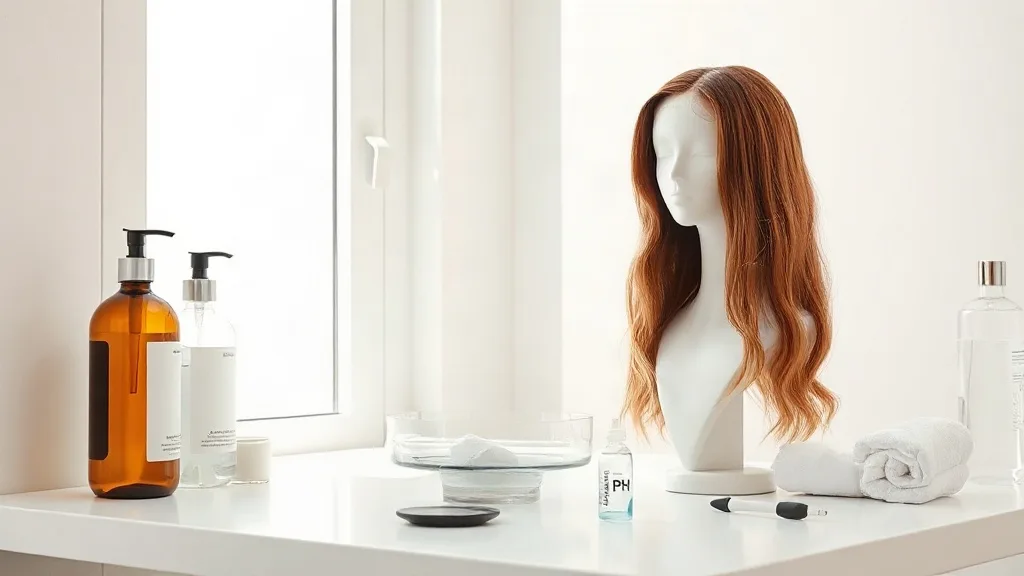
Conditioner is just as tricky. A rich, heavy conditioner can weigh down fine wigs, loosen hand-tied knots, and leave a film on lace. It can also creep into the cap and break down adhesive. For synthetic wigs, some conditioners contain ingredients that react poorly with the fiber and cause dullness. The safest approach is to use products made for wigs or, at minimum, formulas that are pH balanced, sulfate-free, and easy to rinse. I keep pH strips in my kit. If a product is too alkaline, it goes back on the shelf.
How I Test and Choose (The Paranoid Checklist)
- pH balanced between 4.5 and 5.5 to match the natural acidity of hair and help keep the cuticle smooth.
- Sulfate-free and paraben-free, with gentle surfactants like coco-glucoside or sodium cocoyl isethionate.
- No heavy silicones, mineral oil, or petroleum jelly that can build up and attract dust.
- Lightweight conditioners that detangle without leaving a slippery film on lace or knots.
- Fragrance-free or naturally scented options for sensitive scalps and anyone who stores wigs in closed containers.
- A formula that rinses clean in cool water and does not require vigorous rubbing.
- Packaging that lets you dispense a small amount so you never over-apply.
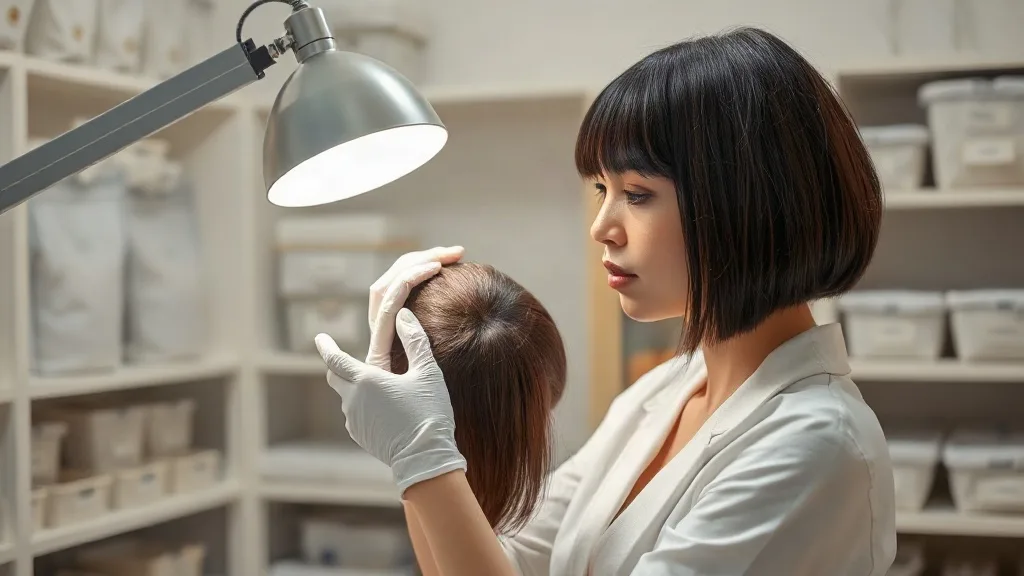
I also patch-test every new product on a small section of an old wig. I let it dry completely, then inspect under bright light for dullness, stiffness, or residue. If it fails, I do not use it on anything valuable. This may sound extreme, but replacing a hand-tied lace front is far more expensive than a careful test.
Best Shampoos and Conditioners for Human Hair Wigs
Human hair wigs, especially Remy or virgin hair, need moisture and protein balance. Look for sulfate-free shampoos with ingredients like argan oil, glycerin, and aloe. Conditioners should be rich enough to smooth the cuticle but light enough to rinse clean. I avoid anything with heavy butters or waxes because they can leave a coating that attracts dust. A good routine is a gentle cleanse every 6 to 8 wears, followed by a deep conditioning mask once a month if the hair feels dry.
- Shampoo: A sulfate-free, color-safe formula with argan or jojoba oil. Good options include Jon Renau Wig Shampoo, BeautiMark Liquid Gold, or a gentle salon brand like Wella Balance.
- Conditioner: A lightweight, leave-in or rinse-out conditioner such as It's a 10 Miracle Leave-In or a wig-specific conditioner from BeautiMark.
- Deep treatment: A moisturizing mask with keratin or silk amino acids, used sparingly and rinsed thoroughly.
Best Shampoos and Conditioners for Synthetic Wigs
Synthetic wigs are more delicate than most people think. They cannot be heat-styled unless they are heat-friendly, and they can lose their factory shine if you use the wrong products. The best synthetic wig shampoos are specifically formulated to clean the fiber without stripping the finish. They are usually gentle, low-suds, and free of heavy oils. Conditioner for synthetic wigs should be light and applied mainly to the ends, never the cap. Some people use a diluted fabric softener, but I do not recommend it. It can leave a waxy film that traps dust and makes the wig smell like a laundry aisle.
- Shampoo: A synthetic-specific shampoo such as BeautiMark Synthetic Wig Shampoo or Jon Renau Synthetic Wig Shampoo.
- Conditioner: A synthetic-safe detangler or leave-in spray, applied lightly to the mid-lengths and ends.
- Avoid: Sulfates, heavy silicones, and any product with alcohol, which can dry out the fibers.
Best Shampoos and Conditioners for Lace Front and Monofilament Caps
Lace fronts and monofilament caps require extra care because the base is delicate. Shampoo can seep under the lace and loosen knots. Conditioner can leave a film that makes the lace stiff and visible. I always wash lace front wigs with the cap turned inside out, supporting the lace with my palm. I use a very small amount of gentle shampoo and let it run through the hair, never scrubbing the knots. For conditioner, I apply it only from the mid-shaft down, keeping it well away from the lace and the cap. A clean lace front should feel soft, not slick.
- Shampoo: A pH-balanced, sulfate-free shampoo with a thin consistency that rinses easily.
- Conditioner: A lightweight detangler or a wig conditioner applied with a spray bottle for control.
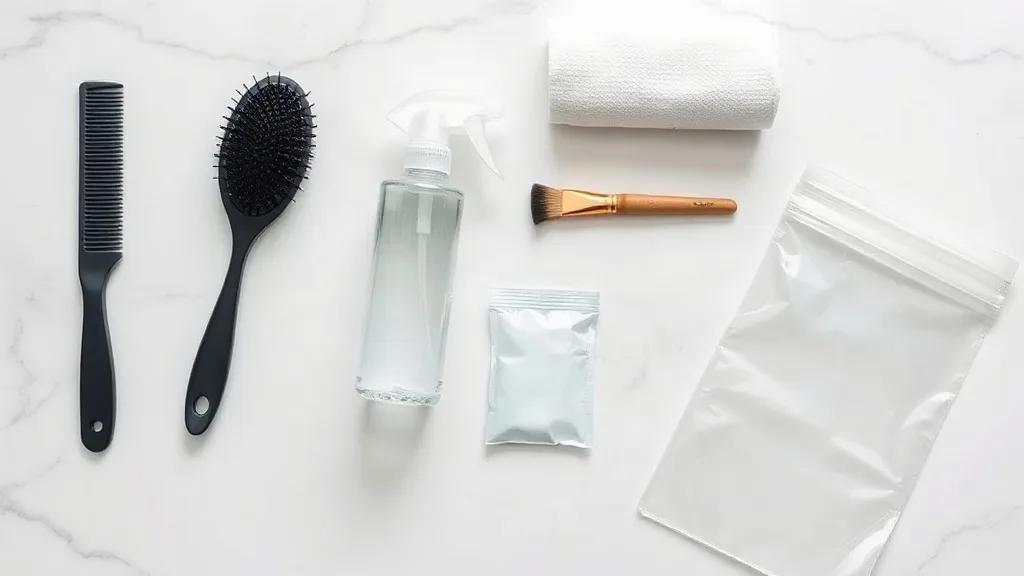
- Tool: A soft makeup brush to apply product precisely and avoid oversaturating the knots.
Best Shampoos and Conditioners for Curly and Wavy Wigs
Curly wigs need hydration, but they also need definition. The wrong conditioner can weigh curls down or make them frizzy. I look for sulfate-free shampoos with glycerin, aloe, and coconut-derived cleansers. For conditioning, a leave-in conditioner or a curl cream specifically made for wigs can help. I apply it to damp hair, scrunch gently, and let it air dry on a stand. Never brush curly wigs when dry. Use a wide-tooth comb or your fingers in the shower while the conditioner is in.
- Shampoo: A sulfate-free, hydrating shampoo with glycerin or aloe.
- Conditioner: A lightweight leave-in conditioner or curl-defining spray for wigs.
- Method: Detangle with a wide-tooth comb in the shower, then scrunch and air dry.
Best Shampoos and Conditioners for Straight and Silky Wigs
Straight wigs show every bit of residue. If you use a heavy conditioner, the hair can look greasy and attract dust. I prefer a clear, lightweight shampoo and a very light conditioner that I rinse until the water runs clear. A shine serum or a few drops of argan oil can be used on the ends after drying, but only a tiny amount. For synthetic straight wigs, a synthetic-safe shine spray is better than oil. I also use a satin-lined storage bag to reduce friction and static.
- Shampoo: A clarifying but gentle, sulfate-free shampoo for human hair; a synthetic-specific shampoo for synthetic hair.
- Conditioner: A light, rinse-out conditioner or a leave-in spray used sparingly.
- Finish: A drop of argan oil or a synthetic-safe shine spray on the ends only.
Best Shampoos and Conditioners for Color-Treated and Blonde Wigs
Color-treated human hair wigs need color-safe products. Sulfates can fade color, and hard water can turn blonde brassy. I use a sulfate-free, color-safe shampoo and a purple or blue shampoo only when the wig needs toning. For synthetic blonde wigs, do not use human purple shampoo unless the manufacturer says it is safe. Synthetic fibers can absorb the pigment unevenly. Instead, use a synthetic-specific toning spray or a wig-safe color rinse. Always test on a hidden weft first.
- Shampoo: A sulfate-free, color-safe shampoo for human hair; a synthetic-safe toning shampoo for synthetic hair.
- Conditioner: A color-safe, moisturizing conditioner applied to ends only.
- Toning: Use purple or blue products sparingly and only on human hair wigs, following the manufacturer's instructions.
Best Shampoos and Conditioners for Sensitive Scalps and Toppers
If you wear a wig or topper over a sensitive scalp, the products you use matter even more. Residue can cause itching, irritation, and odor. I choose fragrance-free, dye-free, and hypoallergenic formulas. For toppers, which are smaller and often worn daily, I wash them more frequently with a gentle shampoo and condition only the ends. A clean topper feels lighter and sits better. I also keep a separate set of products for my most expensive pieces to avoid cross-contamination.
- Shampoo: Fragrance-free, sulfate-free, and pH-balanced.
- Conditioner: Lightweight and rinse-clean, applied only to the ends.
- Extra care: Wash toppers every 4 to 6 wears, and dry completely before storing.
My Top Product Picks (But Verify Ingredients)
I am wary of blanket recommendations because formulas change. Always read the current ingredient list. That said, these are the products I trust for my own collection.
- Jon Renau Wig Shampoo and Conditioner: Gentle, wig-specific, and widely available. Good for human hair and synthetic.
- BeautiMark Liquid Gold Shampoo and Conditioner: A salon-quality option for human hair wigs that need moisture.
- It's a 10 Miracle Leave-In Product: Lightweight detangler for human hair wigs; use sparingly on synthetic.
- Wella Balance Shampoo: A gentle, color-safe option for human hair wigs when I cannot find a wig-specific product.
- Amika Normcore Signature Shampoo and Conditioner: Sulfate-free and color-safe, good for human hair wigs.
- Ouai Detox Shampoo: Use rarely and only on human hair wigs that need a deep clean; follow with a moisturizing conditioner.
For synthetic wigs, I stick to BeautiMark or Jon Renau synthetic-specific formulas. For lace fronts, I use a soft brush to apply a tiny amount of shampoo and a spray bottle for conditioner. I never use dry shampoo on wigs because it leaves powder in the cap and attracts dust mites.
How to Wash a Wig Without Damaging It (My Step-by-Step)
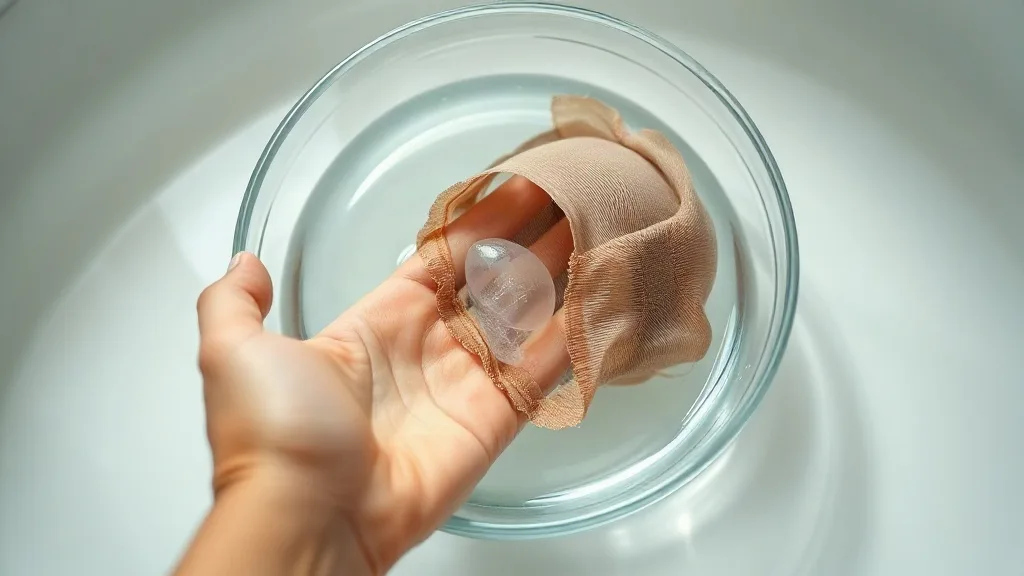
- Fill a basin with cool water and a small amount of gentle shampoo. Never use hot water.
- Submerge the wig and gently swish for 30 seconds. Do not scrub or bunch the hair.
- Rinse with cool water until the water runs clear. Do not wring or twist.
- Apply conditioner from mid-length to ends. Avoid the cap and lace. Let sit for 2 to 3 minutes.
- Rinse thoroughly with cool water. Any residue left behind will attract dust.
- Blot with a microfiber towel. Never rub.
- Place on a wig stand and air dry away from direct sunlight and heat.
- Once dry, brush gently with a wide-tooth comb or a loop brush.
I wash my wigs in a clean basin that is used only for wigs. I sanitize it before and after. I also wear gloves because oils from my hands can transfer to the fiber. If I am washing a lace front, I turn the cap inside out and support the lace with my palm the entire time. It takes longer, but I have never lost a knot.
Drying, Storing, and Keeping Dust Mites Out
Drying is where many wig owners make mistakes. Never hang a wet wig on a door or a hook. The weight of the water can stretch the cap. Never use a hair dryer on high heat. For human hair, a low heat setting with a diffuser is acceptable. For synthetic, air dry only. Once the wig is completely dry, I place it in a satin or silk bag, then into a vacuum-sealed storage bag. I add a silica gel packet to absorb moisture and a cedar block to deter pests. I label each bag with the wig name, fiber type, and last wash date.
Dust mites are my nemesis. They thrive in humidity and dust. A clean, dry wig stored in an airtight container is much less inviting. I inspect my wigs monthly. If I see any sign of moisture or odor, I re-wash and dry immediately. I also keep my storage area cool and dark. This routine is why my oldest wig still looks nearly new after five years.
Final Thoughts: The Best Product Is the One You Use Carefully
The best wig shampoo and conditioner for you depends on your wig fiber, cap construction, and how you wear it. Human hair wigs generally need sulfate-free moisture. Synthetic wigs need fiber-safe, lightweight formulas. Lace fronts need precision application. Curly wigs need hydration without weight. Straight wigs need residue-free shine. Sensitive scalps need fragrance-free simplicity. In every case, the goal is the same: clean hair, no residue, no damage, and no dust mites.
If you are unsure, start with a wig-specific shampoo and conditioner from a trusted brand. Patch-test on an old piece. Rinse longer than you think you need to. Dry completely before storing. And if you are like me, keep a flashlight and a pH strip handy. Your wigs will last longer, look better, and stay ready for the moments that matter. That is not paranoia. That is proper care.