
The Art of Wig Making: A Historical Perspective
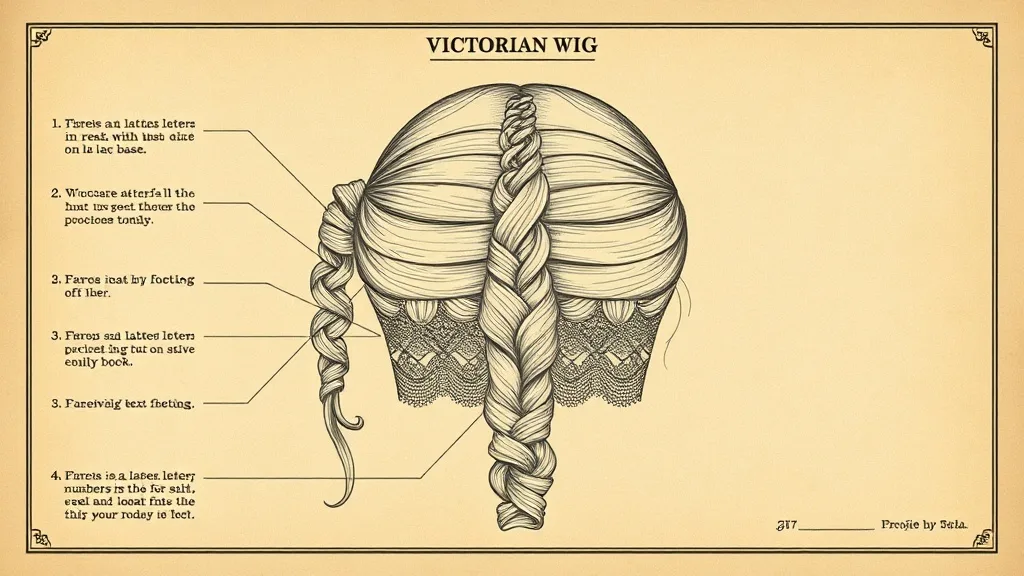
As a wig historian specializing in Victorian hair art, I've spent years studying the intricate craftsmanship behind wig making. The knotting technique—tying each hair individually to a lace base—dates back centuries and remains the foundation of modern wig construction. In Victorian times, these knots were often hidden under elaborate hairstyles, but today's wig wearers seek a natural, undetectable hairline. This brings us to a common question: can you bleach knots on synthetic wigs?
What Are Knots and Why Bleach Them?
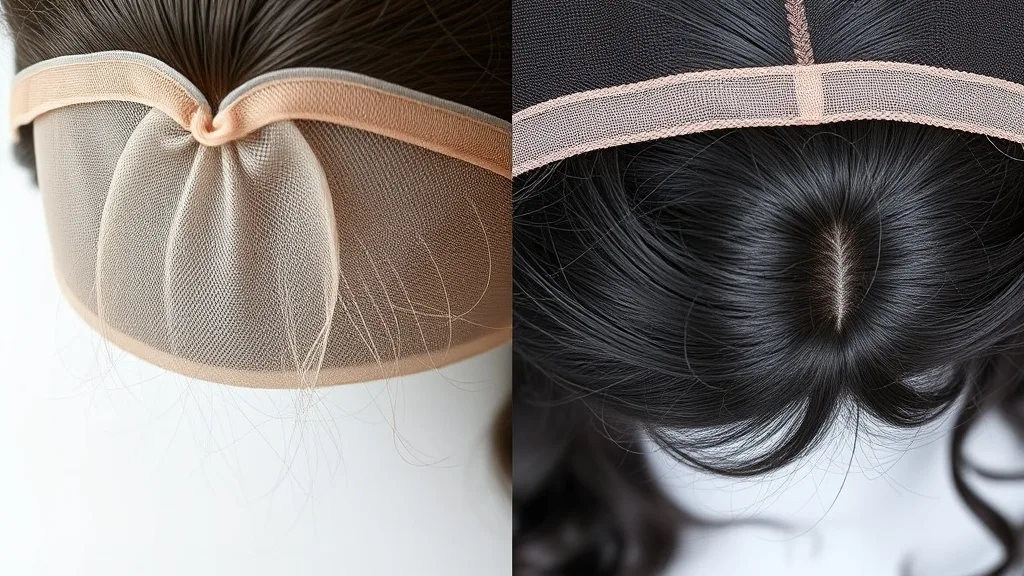
Knots are the tiny loops where hair strands are tied to the wig cap, usually visible on the underside of the lace. In human hair wigs, bleaching these knots lightens their color, making them blend with the scalp and creating an illusion of natural growth. This technique is widely used in high-quality human hair wigs, but its application to synthetic wigs is far more complicated.
Synthetic vs. Human Hair: The Crucial Difference
Synthetic fibers are made from plastic polymers like polyester, acrylic, or polyvinyl chloride. Unlike human hair, which is protein-based and porous, synthetic fibers are non-porous and highly heat-sensitive. Bleaches contain chemicals like hydrogen peroxide that break down the protein structure of human hair, but on synthetic fibers, they cause irreversible damage: melting, discoloration, and loss of texture. Even a small amount of bleach can ruin the fiber's integrity, turning a beautiful wig into a frizzy, sticky mess.
The Risks of Bleaching Synthetic Wigs
- Melting of fibers due to heat generated by bleach reaction
- Uneven discoloration or patchiness
- Brittle strands that break easily
- Voiding the manufacturer's warranty (most synthetic wigs specify no chemical treatments)
Alternatives to Achieve a Natural Look
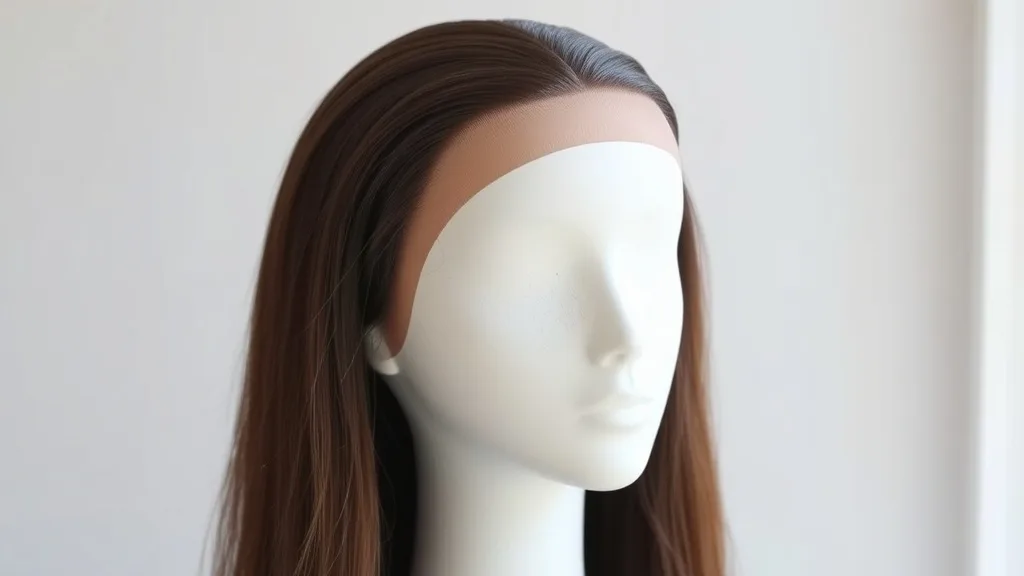
If you want a natural hairline with a synthetic wig, focus on the lace itself. Many synthetics come with 'pre-plucked' hairlines that mimic natural growth. You can also choose wigs with transparent or tinted lace that matches your scalp tone. Another option is to use foundation or concealer powders on the lace to blend the knots visually—a technique I've seen in historical wig dressing. Some brands now offer 'HD lace' or 'invisible knot' technology that minimizes knot visibility without bleach.
A Word from a Historian: Embrace the Craft
Every wig tells a story. In the Victorian era, wigs were wearable art, crafted with patience and precision. While we may yearn for flawless realism, I encourage you to appreciate the unique qualities of synthetic wigs: their affordability, color retention, and easy maintenance. Forgoing bleach doesn't mean sacrificing beauty; it means working with the material's nature. Experiment with styling, parting, and powdering to achieve the look you desire.
Final Verdict
No, you should not bleach knots on synthetic wigs. The risks far outweigh any potential benefits, and there are excellent alternatives available. Stick to methods designed for synthetic fibers and enjoy your wig's longevity. If you crave a scalp-like appearance, consider investing in a high-quality human hair wig or a synthetic model with advanced lace technology. Remember, the best wig is one that makes you feel confident and beautiful.