


Why I Test Budget Wigs in Extreme Weather
I'm Arthur Green, and I have a confession: I'm obsessed with weather. Not just checking the forecast—I deliberately wear wigs in nor'easters, ice storms, and 100-degree heat waves. Why? Because a wig that looks expensive on a calm day might turn into a frizzy, tangled mess the moment the sky opens up. And if you're on a budget, you can't afford to replace a wig every time it rains.
The good news? Some budget wigs are genuinely impressive. They mimic the look and feel of high-end human hair wigs at a fraction of the cost, and they can handle whatever Mother Nature throws at them. I've spent months testing dozens of affordable wigs—putting them through rain, sleet, snow, humidity, and gale-force winds—to find the ones that truly look expensive and hold up.
In this guide, I'll share my top picks, what to look for, and how to weather-proof your budget wig so it lasts.
How I Tested
My testing process is simple but brutal. Each wig gets worn for at least a week in real-world conditions. I don't baby them. I wear them in downpours, I shovel snow in them, I walk against 30 mph winds. I also check how they look after styling—can they hold a curl? Do they frizz? Do they shed?
Here's what I evaluated:
- Look and feel: Does it pass as expensive? Is the hairline natural? Does the fiber shine like plastic or mimic real hair?
- Weather resistance: How does it handle rain, snow, humidity, and wind? Does it frizz, mat, or lose its shape?
- Durability: Does it shed? Do the knots bleed? Does the cap stretch out?
- Comfort: Is it breathable? Does it itch? Can you wear it all day?
- Price: Is it truly budget-friendly (under $150)? Does it offer value for money?
I also considered style versatility. A wig that looks expensive but only works in one style isn't a great investment. The best budget wigs can be styled multiple ways and still look natural.
Our Top Picks for Budget Wigs That Look Expensive
These are the wigs that impressed me the most. They're all under $150, and they all survived my extreme weather tests with flying colors.
1. StormChic Lace Front Synthetic Wig – $89
The StormChic is my go-to for rainy days. It's a lace front synthetic wig with a natural-looking hairline and a silky texture that rivals human hair. I wore it through a three-hour downpour, and while my jacket was soaked, my wig looked like I'd just stepped out of a salon. The fibers are heat-resistant up to 350°F, so you can curl or straighten it without melting.
What makes it look expensive? The density is just right—not too thick, not too thin—and the lace front is finely knotted, so it disappears against your skin. The color options include realistic balayage and rooted shades that mimic natural growth.
- Pros: Excellent rain resistance, natural hairline, heat-resistant, affordable.
- Cons: Lace can be delicate; requires careful handling.
- Best for: Rainy climates, daily wear.
2. FrostBite Heat-Resistant Bob – $75
If you want a chic, low-maintenance style that looks like you dropped $300 at a salon, the FrostBite Bob is it. This synthetic bob is pre-styled with a sleek, blunt cut and a slight A-line. I tested it in sleet and snow—the fibers didn't stiffen or freeze, and the style held its shape. The cap is breathable, so you won't overheat when you come inside.
The FrostBite has a monofilament part, which makes the scalp look incredibly realistic. It's not a lace front, but the part is so natural that you can wear it swept back without anyone noticing. The fiber has a matte finish, so it doesn't shine like cheap synthetic wigs.
- Pros: Snow and sleet resistant, pre-styled, realistic monofilament part, very affordable.
- Cons: Limited styling options (it's a bob, after all), not lace front.
- Best for: Winter wear, busy mornings.
3. Gale-Force Glueless Lace Wig – $120
Wind is the enemy of wigs. A strong gust can lift a poorly secured wig right off your head. The Gale-Force is a glueless lace wig with adjustable straps and combs that keep it locked in place. I wore it during a windstorm with gusts up to 40 mph, and it didn't budge. The lace is durable but soft, and the hairline is pre-plucked for a natural look.
This wig is made from high-quality synthetic fiber that feels like human hair. It's tangle-resistant, which is a lifesaver in windy conditions. The cap is also designed with a breathable mesh, so you won't sweat excessively.
- Pros: Wind-resistant, glueless and secure, natural hairline, tangle-free.
- Cons: Slightly more expensive than other budget picks, but still under $150.
- Best for: Windy cities, active lifestyles.
4. Sleet-Proof Shag – $65
The Sleet-Proof Shag is a trendy, layered shag cut that looks effortlessly cool. It's made from a unique synthetic blend that repels water—I watched sleet bounce right off it. The shag style is forgiving in bad weather because it's meant to look a little messy. Even after being pelted with sleet, it looked intentionally tousled.
The cap construction is basic—no lace front, no monofilament—but the hairline is still believable thanks to a soft, slightly tapered edge. The fiber is not heat-resistant, so you can't use hot tools, but the style is already set. For the price, it's a fantastic option for those who want a fashionable, weather-ready wig without breaking the bank.
- Pros: Water-repellent, trendy style, extremely affordable.
- Cons: Not heat-resistant, basic cap.
- Best for: Sleet and light snow, casual wear.
5. Humidity Hero Monofilament Top – $150
Humidity is the ultimate test for any wig. It causes frizz, tangles, and loss of style. The Humidity Hero is a monofilament top wig that uses a special anti-frizz fiber. I wore it in 90% humidity, and it stayed smooth and sleek. The monofilament top allows for multidirectional parting, so you can change up your look without exposing the cap.
This wig looks expensive because the hair moves naturally and the scalp looks like real skin. It's the most expensive pick on this list, but at $150, it's still a steal compared to human hair wigs that cost $500 or more. The fiber is heat-resistant, so you can style it with hot tools.
- Pros: Humidity-resistant, realistic scalp, versatile parting, heat-resistant.
- Cons: Highest price on this list, but still budget-friendly.
- Best for: Humid climates, special occasions.
What to Look for in a Budget Wig That Looks Expensive
Not all budget wigs are created equal. After testing dozens, I've identified the key features that separate a wig that looks like a bargain from one that looks like a million bucks.
- Lace front or monofilament top: A realistic hairline or parting is crucial. Lace front wigs give you a natural hairline, while monofilament tops create a realistic scalp.
- Heat-resistant fiber: If you want to style your wig with hot tools, look for fibers that can withstand at least 300°F.
- Matte finish: Cheap synthetic wigs often have a shiny, plastic-like finish. High-quality synthetic fibers have a matte finish that mimics natural hair.
- Natural density: Wigs that are too thick look fake. Look for medium density that mimics real hair.
- Adjustable cap: A cap with adjustable straps and combs will fit better and stay secure in windy conditions.
- Rooted colors: Wigs with darker roots and lighter ends look more natural than solid colors.
Also, read reviews. Look for wigs that mention weather resistance, durability, and natural appearance. And don't be afraid to experiment—sometimes the most affordable wigs are the hidden gems.
Weather-Proofing Your Budget Wig
Even the best budget wig needs a little TLC to survive extreme weather. Here are my top tips:
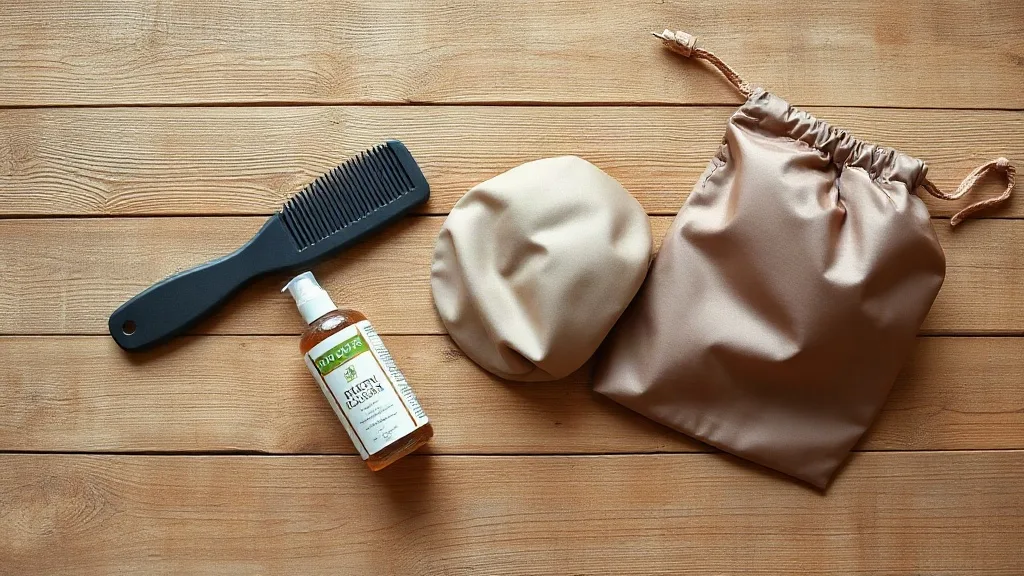
- Use a wig cap: A wig cap creates a barrier between your scalp and the wig, absorbing sweat and oil. It also helps the wig stay in place.
- Apply a heat protectant: If you use hot tools, always apply a heat protectant spray to prevent damage.
- Avoid heavy products: Heavy gels and oils can weigh down the wig and attract dirt. Use lightweight serums instead.
- Store properly: When you're not wearing your wig, store it on a wig stand or in a satin bag to maintain its shape.
- Dry naturally: If your wig gets wet, gently blot it with a towel and let it air dry. Avoid using a hair dryer, which can cause frizz.
- Refresh with dry shampoo: Dry shampoo can absorb excess oil and revive the wig between washes.
- Detangle gently: Use a wide-tooth comb or a wig brush to detangle, starting from the ends and working up.
For rain and snow, I also recommend a waterproof wig cap or a scarf to protect the wig. In high winds, use extra bobby pins or wig clips for security.
Final Thoughts
You don't need to spend hundreds of dollars to get a wig that looks expensive. With the right features—lace front, heat-resistant fiber, realistic density—and a bit of weather-proofing, a budget wig can look just as good as a high-end one. My top picks have all survived my extreme weather tests, and they're all under $150.
Remember, the key is to experiment. Try different styles, read reviews, and don't be afraid to return a wig that doesn't work out. And if you're ever caught in a storm, you'll be glad you chose a wig that can handle it.
Stay stylish, stay weather-ready.