
When most people shop for a wig, they focus on the hair—the color, the density, the style. But as someone who has spent years sourcing and replacing wig hardware, I can tell you that the difference between a wig you love and one you tolerate often comes down to the parts you can't see: the cap construction, the lace, the clips, the combs, and the adjusters. In this guide, I'm comparing the top wig brands through a hardware lens. I'll break down what you get for your money, so you can decide which brands are truly worth the price.
Why Hardware Should Drive Your Brand Decision
A wig's hardware determines how it feels, how it stays on, and how long it lasts. A beautiful lace front is useless if the clips dig into your scalp or the straps slip. Conversely, a modestly priced wig with well-placed combs and a comfortable cap can become your daily go-to. When you're paying premium prices, you're not just buying hair—you're buying engineering. And that engineering varies wildly from brand to brand.
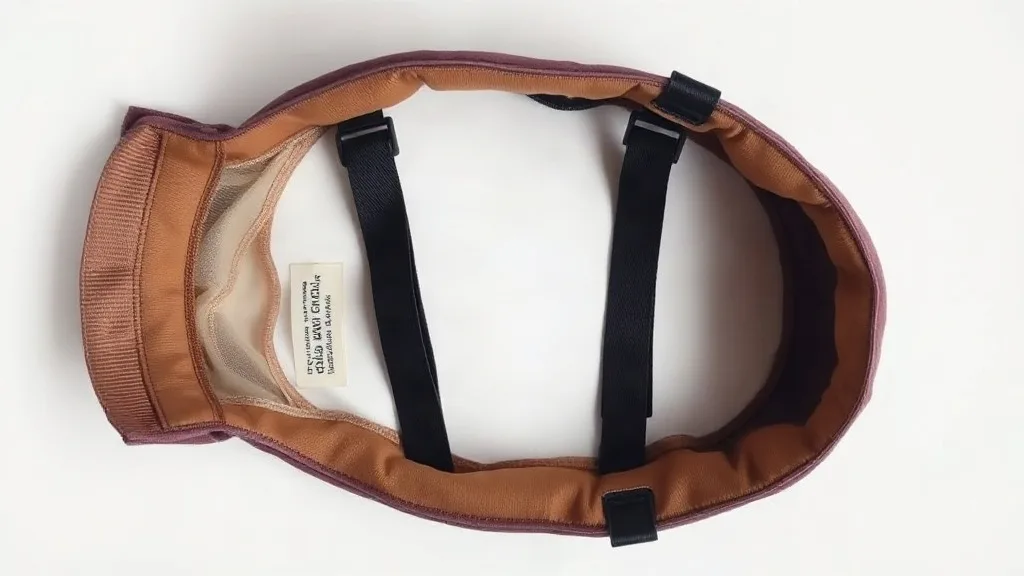
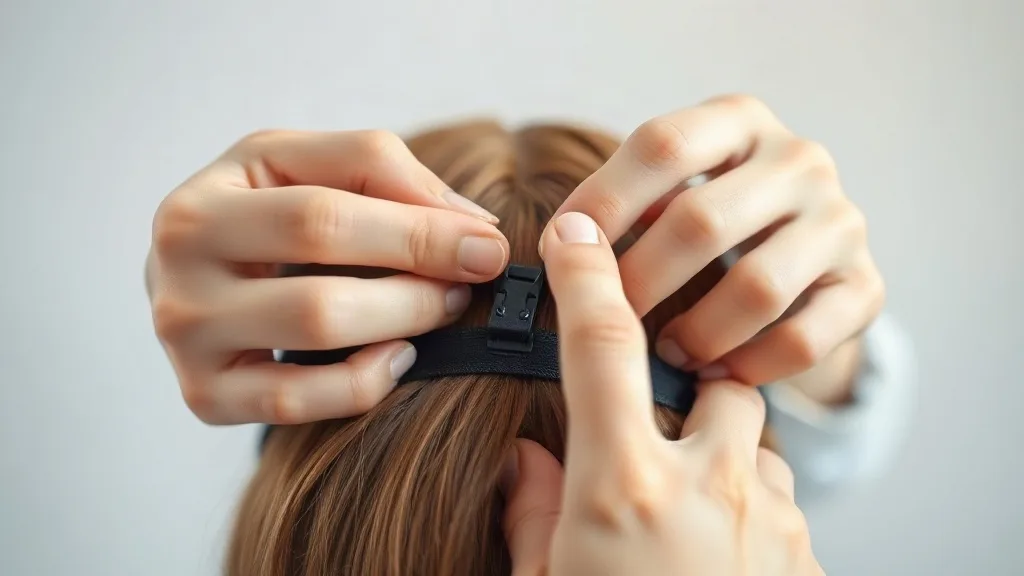
Let's define the key hardware components we'll be evaluating: cap construction (wefted, monofilament, hand-tied, lace front), closure type (lace front, mono top, silk top), attachment hardware (clips, combs, adjustable straps, Velcro), and comfort features (ear tabs, velvet bands, open wefts). The best brands get these details right.
The Contenders: Brands We'll Compare
- Jon Renau — Known for SmartLace and premium caps
- Raquel Welch — Famous for Memory Cap comfort
- Ellen Wille — European craftsmanship with fine lace
- Rene of Paris & Noriko — Mid-range workhorses
- Gabor — Affordable and reliable
- Estetica — Fashion-forward styles
- Belle Tress — Trendy and fairly priced
- Hairdo — Budget-friendly and fun
- Human hair brands like Hairvivi and UniWigs — Premium hair, variable hardware
Jon Renau: Premium Engineering, Premium Price
Jon Renau is often at the top of 'best wig' lists, and from a hardware perspective, it's easy to see why. Their SmartLace fronts are among the most natural-looking, with a fine lace that blends well and doesn't require heavy trimming. But the real story is under the hood. Their caps feature hand-tied sections, monofilament tops, and thoughtful hardware like velvet ear tabs and a soft, adjustable strap system. The clips are sturdy but low-profile, and the combs are placed to prevent slippage without pressure points.
The trade-off is price. Jon Renau wigs typically run from $300 to $600 or more. But if you wear a wig daily, the comfort and durability can justify the cost. In my experience, the hardware holds up better over time than many cheaper alternatives, meaning you replace it less often.
Raquel Welch: Memory Cap and Comfort
Raquel Welch wigs are beloved for their Memory Cap, which uses a stretchy, breathable material that molds to your head. The hardware is equally thoughtful: temple-to-temple lace fronts, mono tops, and secure but gentle clips. The adjustable straps are easy to reach and stay put. For those with sensitive scalps, the Memory Cap is a game-changer.
Price-wise, Raquel Welch sits in the same premium tier as Jon Renau, roughly $250 to $500. The hardware is slightly less intricate than Jon Renau's top-tier caps, but the comfort is exceptional. If you prioritize a secure, custom-like fit, this brand is worth it.
Ellen Wille: European Craftsmanship
Ellen Wille is a German brand that excels in fine lace and meticulous construction. Their lace fronts are incredibly delicate, and their mono tops are among the most realistic. Hardware-wise, they use high-quality clips and combs, often with a focus on minimal bulk. The caps are designed for a snug, natural fit, and the adjusters are smooth and durable.
Ellen Wille wigs are priced at a premium, often $400 and up. The hardware is refined, but replacement parts can be harder to source. If you appreciate European engineering and have the budget, it's worth the investment. Just be prepared for a bit more care in maintenance.
Rene of Paris & Noriko: The Mid-Range Workhorses
Rene of Paris and its sister brand Noriko offer solid hardware at a more accessible price point. You'll find lace fronts, mono tops, and basic but functional clips and combs. The caps are comfortable, though not as luxurious as the premium brands. The adjustable straps are standard, and the ear tabs are adequate.
Priced between $150 and $300, these brands are excellent for daily wear without breaking the bank. The hardware may not have the same finesse, but it gets the job done. For many wearers, this is the sweet spot of value.
Gabor: Affordable Reliability
Gabor is a go-to for budget-conscious buyers. The hardware is basic—think standard wefted caps, simple lace fronts, and basic clips. But it's reliable. The adjusters work, the combs stay put, and the caps are comfortable for occasional wear. If you're new to wigs or need a backup, Gabor is a solid choice.
Prices range from $100 to $200. You won't get the refined lace or hand-tied luxury of higher-end brands, but you're not paying for it either. For the price, the hardware is fair.
Estetica and Belle Tress: Fashion-Forward and Fairly Priced
Estetica and Belle Tress cater to trend-conscious wearers. Their hardware is mid-range: lace fronts are decent, mono tops are available, and the clips and combs are functional. Belle Tress often uses a unique cap design with a stretchy lace that's comfortable, though the hardware isn't as robust as Jon Renau's.
Both brands typically fall between $150 and $350. If you change styles often and want current looks without premium prices, these brands deliver good value. The hardware is adequate for regular wear, but may not withstand years of daily use like the top-tier brands.
Hairdo: Budget and Fun
Hairdo wigs are designed for fun, quick changes. The hardware is minimal: basic caps, simple clips, and sometimes no lace front. But they're affordable, often under $100. For cosplay, parties, or experimenting with color, they're a great entry point. Just don't expect premium comfort or longevity.
Human Hair Brands: Hairvivi, UniWigs, and More
Human hair wigs from brands like Hairvivi and UniWigs offer the ultimate in styling versatility. The hair quality is often excellent, and the lace fronts can be very realistic. However, hardware varies widely. Some brands invest in Swiss lace, hand-tied caps, and secure clips; others cut corners with stiff lace and flimsy combs.
Prices for human hair wigs can range from $200 to over $1,000. When evaluating these brands, pay close attention to the cap construction and hardware. A great lace front with poor clips will still slip. If you can, check reviews that mention the hardware specifically. In my experience, Hairvivi and UniWigs have improved their hardware over the years, but it's still worth inspecting before you buy.
The Hardware Checklist: What to Look for in Any Brand
- Lace front: Does it lie flat? Is the lace fine and durable?
- Monofilament top: Allows for natural parting and scalp appearance.
- Hand-tied cap: More comfortable, better airflow, but pricier.
- Clips: Should be low-profile, sturdy, and rubber-coated to prevent slippage.
- Combs: Placed at the sides and back for security without pressure.
- Adjustable straps: Easy to reach, secure, and preferably with a soft cover.
- Ear tabs: Should be soft and flexible, not stiff.
- Velvet bands: Add comfort at the hairline and nape.
- Open wefts: Improve breathability.
Price vs. Value: Which Brands Are Worth It?
If you wear a wig every day and comfort is paramount, Jon Renau, Raquel Welch, and Ellen Wille are worth the premium. Their hardware is engineered for longevity and all-day wear. The initial cost is higher, but you'll likely replace them less often, making the cost-per-wear reasonable.
For regular wearers who want a balance of quality and price, Rene of Paris, Noriko, Estetica, and Belle Tress offer solid hardware at mid-range prices. They may not have the same refinement, but they're dependable.
If you're on a tight budget or wear wigs occasionally, Gabor and Hairdo provide acceptable hardware for the price. They're great for testing styles or as backups.
Human hair brands can be worth it if you want styling flexibility, but only if the hardware meets your standards. Don't pay premium prices for flimsy clips and stiff lace.
Final Thoughts from the Hardware Bench
The best wig brand for you depends on how you wear wigs and what you value. As a hardware guy, I always say: the hair gets the attention, but the cap gets the comfort. When you're comparing brands, look beyond the swatches. Ask about the lace, the clips, the straps. That's where the real value lies. And if you ever need replacement hardware, you know where to find me.