
I've put wigs on nuns who wanted to look exactly like themselves and on a rock star who wanted to look like nobody at all. In between were thousands of first-timers sitting in my chair, nervous, holding a photo of a hairstyle they'd never worn and a credit card they weren't sure about. This piece is for those people.
So here's the honest version of the wig brand landscape for beginners. No affiliate code, no sponsor, no "top ten" list engineered to push you toward whoever pays the highest commission. Wigplace doesn't take money from brands for placement, so what follows is simply what I'd tell you if you sat down in my chair and asked.
Why Most Beginner Wig Reviews Are Useless
Search "best wig brands for beginners" and you'll get a hundred listicles that name the same six brands in a slightly different order. Nine out of ten of them make their money the moment you click a link. That isn't a review; it's a storefront wearing a review's clothing.
A useful review answers the questions a first-timer actually has. Will this cap fit my head? What does the hairline look like under a bright bathroom light? How many wears before it starts shedding? What happens if it arrives and I hate it?
- No mention of cap size, or whether petite, average and large options even exist
- No mention of the return policy — which matters more than the fiber
- Photos shot only under studio lighting or with heavy filters
- Prices quoted as if every retailer charges the same (they don't)
- Nobody talks about shedding, tangling, or what the color looks like after two weeks
How I Judged These Brands
Six things, roughly in this order of importance:
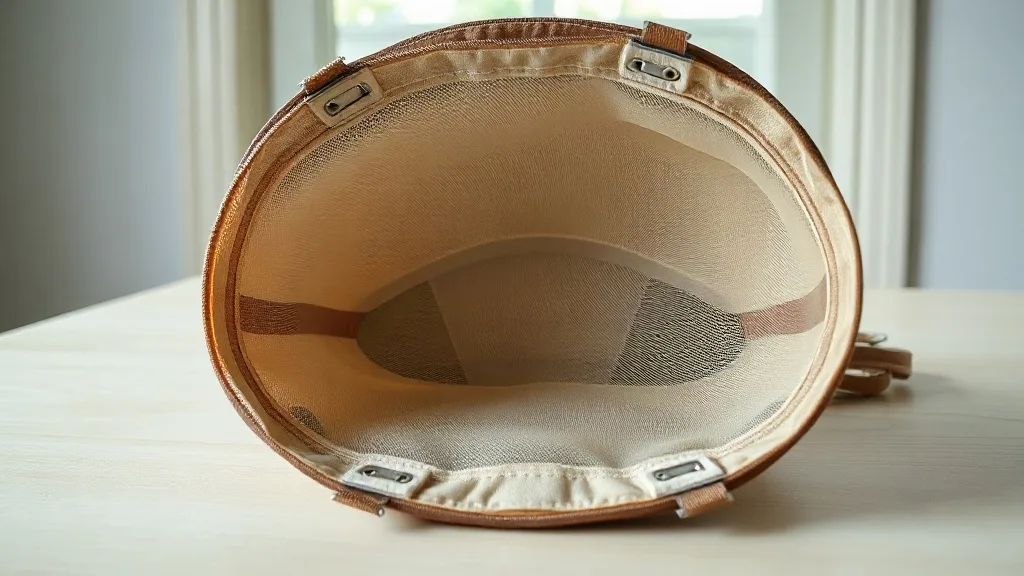
- Cap construction and fit range — lace front, monofilament part, hand-tied versus wefted, and actual sizing options
- Hairline realism — how the lace disappears against skin, and whether the knots are bleached or obvious
- Fiber and color quality — does the synthetic look like hair or like fishing line, is the rooting convincing
- Longevity — how it behaves at wear five, wear fifteen, and wear thirty
- Price honesty — what you pay versus what you genuinely receive
- What happens when something goes wrong — returns, exchanges, customer service
One thing I deliberately didn't weigh: how popular a brand is on social media. Popularity and quality are related about as often as weather and mood.
Premium Tier — Roughly $250 and Up
At this price you're paying for construction more than for hair. Better lace, finer knots, hand-tied sections that let the part move, and caps that were actually designed by someone who has worn a wig. The difference isn't visible in a photograph. It's visible on your head at hour six.
Jon Renau — The Safest First Splurge
If a beginner tells me they have $350 and they're terrified, I hand them a Jon Renau. The SmartLace front is consistent from style to style, the cap sizing is generous and forgiving, and the rooted colors read as hair rather than as wig. Ignite is still the style I'd put on almost anyone who wants shoulder-length layers that behave.
The catch is density. Jon Renau wigs run full, which is wonderful for glamour and less wonderful if you're twenty-four and trying to look like you just rolled out of bed. And the price is the price. Their customer service is fine — not heroic.
Ellen Wille — The Best Brand for Small and Petite Heads
German engineering, and it shows. Ellen Wille is the brand I reach for when someone tells me every wig they've ever tried swims on them. Petite caps that are genuinely petite, thoughtful hairlines, lace that sits flat and stays flat.
Two gripes. Availability in the States is patchier than it should be, and the main line is expensive. The Perucci sub-line is the affordable entry point and, honestly, the better first purchase for most people.
Raquel Welch — The Most Forgiving Color Work in the Business
Raquel Welch has been a wig name long enough that people assume it's coasting. It isn't. The shaded and rooted colors — darker at the base, slightly lifted through the ends — do more to sell a wig as real hair than any lace front ever will. Color is the thing beginners underestimate most, and it's the thing this brand does best.
Winner is the classic recommendation: a shoulder-length layered bob that flatters nearly every face shape I've ever measured. If you want one wig that won't embarrass you at a wedding, this is a reasonable place to land.
Noriko — The Quiet Workhorse
Noriko, made by Aderans alongside Rene of Paris, doesn't get much influencer attention because it isn't trying to. For anyone thinning at the crown or going through medical hair loss, the comfort caps and sensible color range are hard to beat. Sky has been a bestseller for well over a decade, and there's a reason for that.
Criticism: some of the synthetics run shiny straight out of the box. A cool-water wash or a dusting of dry shampoo fixes it in five minutes — but you shouldn't have to do it at this price.
Worth a mention in this tier: Henry Margu and Louis Ferre. Both make beautiful, well-built wigs, both skew conservative in styling, and both are worth a look if you want something classic that will last.
Mid Tier — Roughly $120 to $260: The Sweet Spot
This is where I'd put roughly eighty percent of first-time buyers, and I'll defend that number to anyone. You get a real lace front, a real color range, and a cap that won't fight you — without paying for hand-tied luxury you can't yet appreciate.
Estetica Designs — The Best Value in the Middle
Estetica is the brand I recommend most often and hear the fewest complaints about. The lace fronts are solid for the money, the color selection is enormous, and the pricing sits comfortably below the premium names without feeling like a compromise. Jamison is a perennial for good reason.
The lace will not fool anyone with their nose six inches from your forehead. In normal life, at normal distances, it's completely fine — and that's the honest standard.
BelleTress — Where You Go for Fun
BelleTress built its reputation on fashion colors and modern silhouettes: silver, rose, pastel, balayage, and shapes that look like they came off a runway rather than a catalog page. If your goal is to look like a person who owns a statement wig, start here. The Café Collection is the most wearable entry point.
The downside is that the color palette is a commitment, and the fibers are good but not premium-tier good. Buy it for the look, not for the longevity.
Gabor — Comfort First, Fashion Second
Gabor, under the HairUWear umbrella, makes wigs for people who want to forget they're wearing one. Lightweight caps, softer density, conservative styles. Not exciting. Extremely comfortable. My medical and older clients loved them, and the ones who wanted to look like themselves rather than like a new person kept coming back.
Budget Tier — Under $100, and Honestly Under $60
The budget tier is where beginners get hurt, and it's also where they learn the most. Both things are true at once, which is exactly why I tell people to start here on purpose rather than by accident.
Outre and Sensationnel — The Best $40 Wig You Can Buy
Outre's synthetic lace fronts — the Neesha line and the Perfect Hairline styles — are, dollar for dollar, the best value in the industry. Sensationnel's Cloud 9 and What Lace lines belong in the same sentence.
What you get: a lace front that looks respectable from three feet, decent fiber, a genuinely wide color range, and enough styles that you can find your shape. What you don't get: a cap that fits every head, a hairline that survives heavy tugging, or more than a couple of months of daily wear.
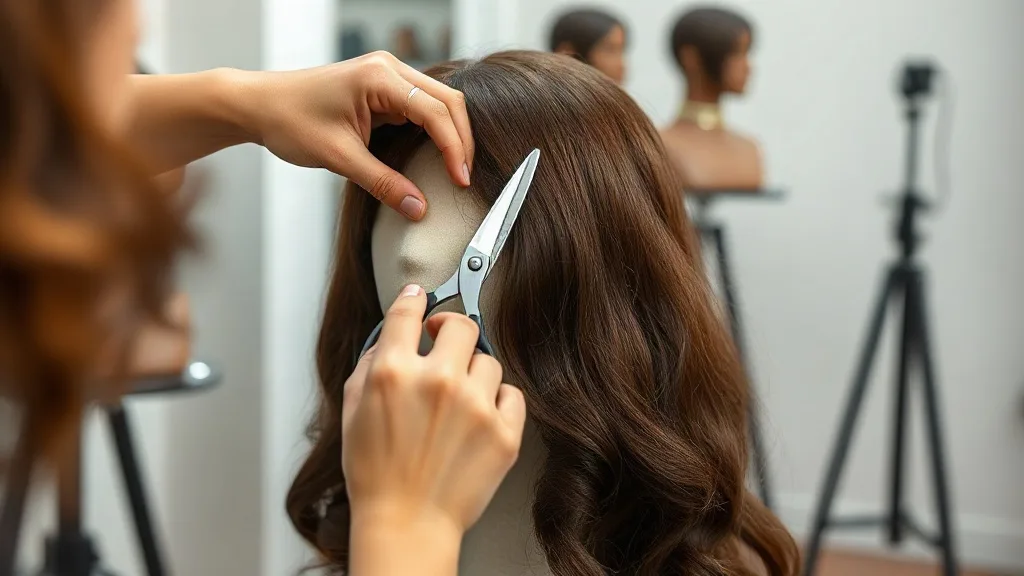
For a beginner practicing trimming, gluing, plucking and styling, a forty-dollar Outre is the smartest money you can spend. Learn on the cheap one. You will ruin the cheap one. That's the point.
Freetress Equal — Good Fiber, Fussy Fit
Freetress, from Shake-N-Go, makes some genuinely nice textures, especially in the curly and coily ranges where cheap synthetic usually gives itself away. The caps tend to run large and the hairlines vary wildly between styles — one is fine, the next is a wall of knots. Buy from somewhere with a real return policy.
The Instagram Human Hair Brands — Mayvenn, Unice and the Raw Hair Economy
Here's what beginners don't realize: when you buy a "wig" from most of these brands, you aren't buying a wig. You're buying bundles and a closure, and you're expected to construct the unit yourself or pay someone to do it.
That isn't a scam. It's a different product category entirely. Mayvenn and similar brands sell perfectly good hair, and if you're willing to learn installation and maintenance, the payoff is a unit that can last a year or more and looks like it grew out of your scalp.
But if you're a beginner who wants to put something on their head on a Tuesday, this is not that. Add the cost of an install every few weeks, the learning curve, and the maintenance products, and the "two-hundred-dollar wig" is closer to a six-hundred-dollar first year.
Brands I'd Steer a Beginner Away From, at Least at First
- No-name lace fronts from marketplaces with no return policy — you can't inspect a cap through a thumbnail
- Ultra-dense "glueless" wigs marketed as beginner-friendly — they're heavy, hot, and the hairlines are usually thick
- Cheap "human hair blend" wigs — the blend is mostly synthetic and it behaves accordingly
- Anything advertised with a countdown timer or a screaming discount that resets tomorrow
The Beginner's Reality Check
Before brands, the basics. These six steps matter more than which logo is on the box.
- Measure your head properly — circumference, front hairline to nape, ear to ear over the crown. Do it twice.
- Decide your priority: realism, comfort, or price. You get two of the three.
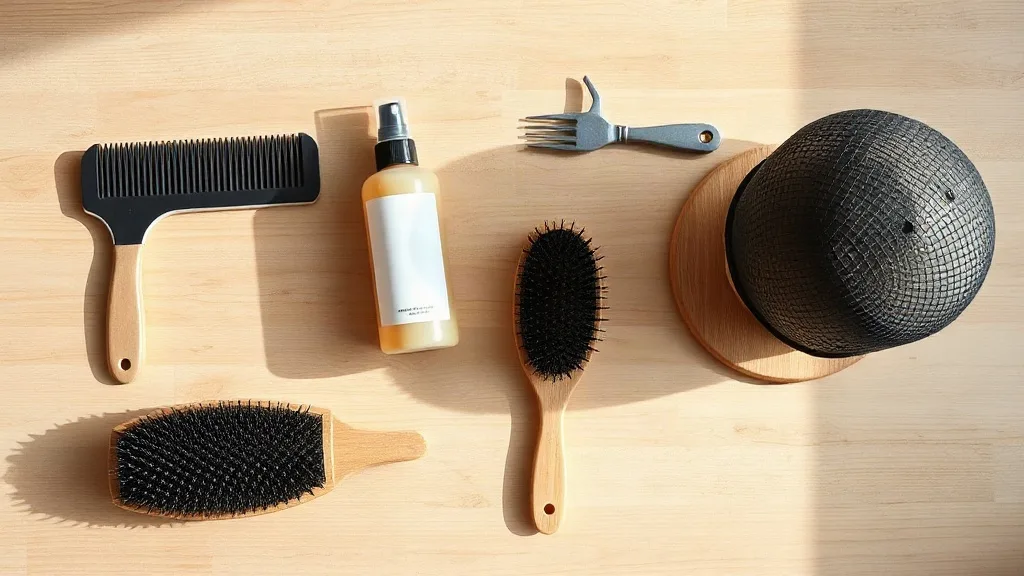
- Buy a wig cap and a wide-tooth comb before you buy the wig.
- Look for a rooted or shaded color. It does more for realism than any other single feature.
- Check the return policy before you check the reviews.
- Budget about $30 for products you'll actually use — dry shampoo, detangler, a wig stand.
So What Should You Actually Buy First?
If you have around $400: an Estetica or Raquel Welch synthetic lace front in a rooted shade. Wear it for three months, learn what you actually like, and then decide whether you want to go premium or explore human hair.
If you have around $150: the same advice, in an older style or on sale. Mid-tier synthetics go on markdown constantly, and last season's silhouette is this season's bargain.
If you have $50: an Outre or Sensationnel lace front. Learn to trim lace, learn to pluck a part, learn what your head and your life actually want from a wig.
And keep the receipt either way. The best wig in the world is still the wrong wig if it doesn't fit your head — and every brand on this list has made at least one wig that wasn't right for somebody.
I've watched a nun and a rock star leave my shop on the same afternoon, both of them happier than when they walked in, both wearing completely different wigs from completely different brands. That's the whole lesson. There is no best brand. There's the brand that's right for your head, your budget and the version of yourself you're trying to see in the mirror this month. Start there.